
.png)
How to Make Jjapaguri (a.k.a. Ram-Don): The Viral Korean Noodle Mashup That Took Over the World

Updated: Nov 29, 2025

TL;DR:
Make jjapaguri (ram-don) by mixing Chapagetti and Neoguri for a chewy, spicy, savory Korean noodle mashup at home
Boil Jjapaghetti + Neoguri together, drain but reserve 300 ml noodle water, return noodles with the water, then stir in the full Jjapaghetti sachet and half the Neoguri to a glossy sauce; top with a fried egg or beef.
Looking for the perfect comfort meal that’s spicy, savory, and incredibly satisfying?
Say hello to Jjapaguri, also known as Ram-Don—a viral Korean noodle dish made by combining two instant noodle powerhouses: Jjapaghetti and Neoguri.

🍿 So What is Jjapaguri? And Why Did It Get So Popular?

This dish had long been a favorite late-night snack and pantry hack in Korea, but it exploded onto the global scene thanks to Bong Joon-ho’s Oscar-winning film Parasite. Remember that one luxurious-yet-odd dinner request? The wealthy housewife on the phone saying, “Can you make ram-don with sirloin?”

Yep, that was Jjapaguri.
In Korean, the name comes from combining Jjapaghetti (짜파게티) + Neoguri (너구리). But since that wouldn’t make much sense to Western audiences, translators created a new term: Ram-Don (ramen + udon).
The scene—and the dish—went viral, and suddenly people around the world wanted to recreate the humble-meets-high-class flavor combo.
🍜 What You’ll Need:
1 packet of Jjapaghetti
1 packet of Neoguri
1L of water
300ml noodle water (reserved)
1 Jjapaghetti seasoning packet
½ Neoguri seasoning packet
Both dried veggie packets
1 fried egg (or topping of your choice)


🔪 Step-by-Step Instructions
1. Prep the Ingredients
Use one packet each of Jjapaghetti and Neoguri. Toss in both dried veggie packets. For seasoning, use one full Jjapaghetti packet and only half the Neoguri packet to avoid overpowering the dish with too much salt or spice.

2. Cook the Noodles
Bring 1 liter of water to a boil.Add both noodles and veggie flakes to the pot.Cook until the noodles are about 70% done—they’ll finish in the sauce later.

3. Save That Noodle Water!
Drain the noodles, but reserve 300ml of the water. Don’t skip this step—this starchy water is the secret to that glossy, rich sauce. Return the noodles to the pot with the 300ml of noodle water.

4. Stir-Fry With Seasoning
Add the full Jjapaghetti packet and ½ the Neoguri packet. Stir everything together over medium heat until the sauce thickens and evenly coats the noodles.


5. Top It Off
Transfer to a bowl and add your toppings of choice:
A fried egg 🍳
Melted cheese 🧀
Pan-fried pork belly 🐖
Sliced scallions or kimchi for extra kick 🌶️
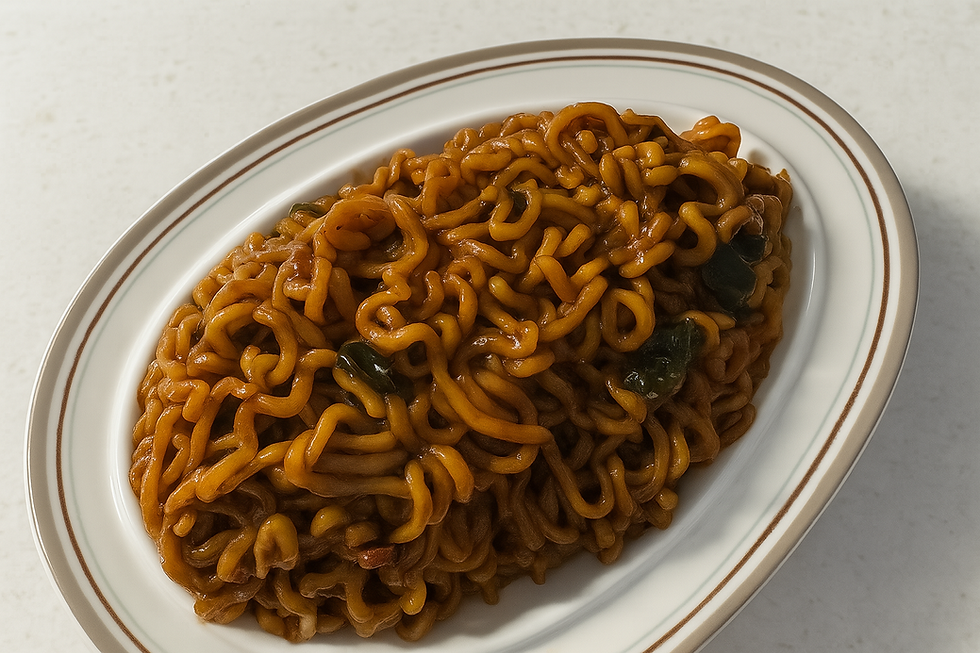

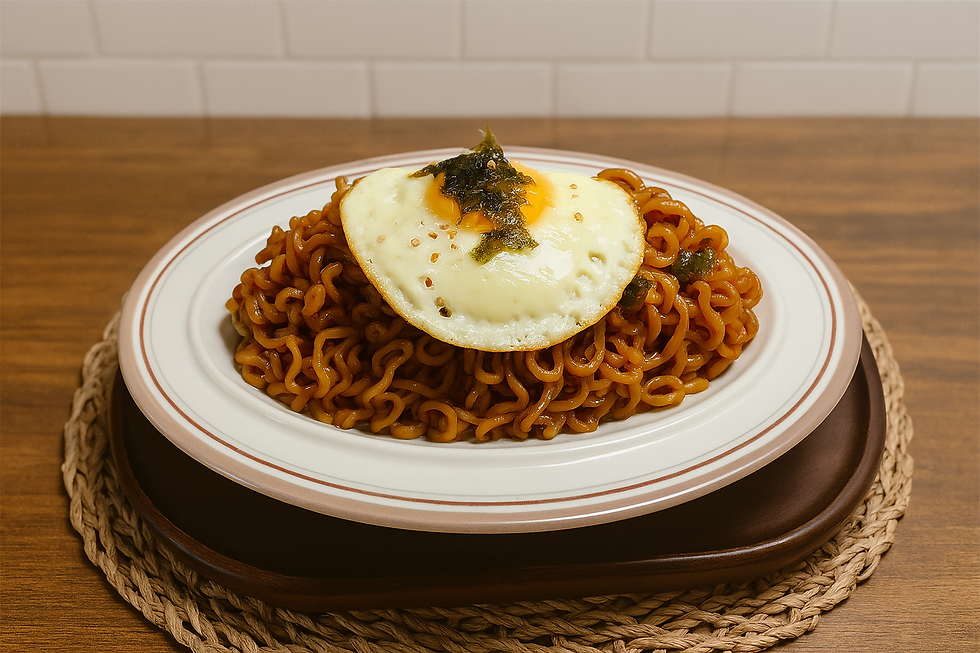
We love a soft fried egg for creamy richness that blends perfectly into the sauce.
💡 Pro Tips
Feeling extra hungry? Add a side of kimchi or a seaweed rice ball.
Want the full Parasite experience? Thinly sliced ribeye or sirloin on top makes it restaurant-worthy.
Want it creamy? A splash of milk can give it a richer, velvety sauce.
Perfect for: Quick lunches, midnight cravings, and picky kids who love bold flavor.
🍴 Final Thoughts
Jjapaguri is one of those beautiful “accidental genius” recipes. It wasn’t born in a fancy test kitchen—it came from real-life cravings and creative pantry raids. It’s comforting, bold, and customizable—and now, it’s globally iconic thanks to a moment of movie magic.
So whether you're making lunch for your kids or treating yourself after a long day, this spicy, saucy noodle mashup always hits the spot.
🛒 Want to stock up on Jjapaghetti, Neoguri, or other iconic Korean noodles?
Shop our Ramen collection at MyfreshDash — we've got all the classics and some underrated gems too.
Recommended from MyFreshDash
• Chapagetti with egg & cheese — creamy jjajang upgrade in 10 minutes.
• Spicy Spam Bomb Ramen — crispy spam + noodles, 5-minute hack.
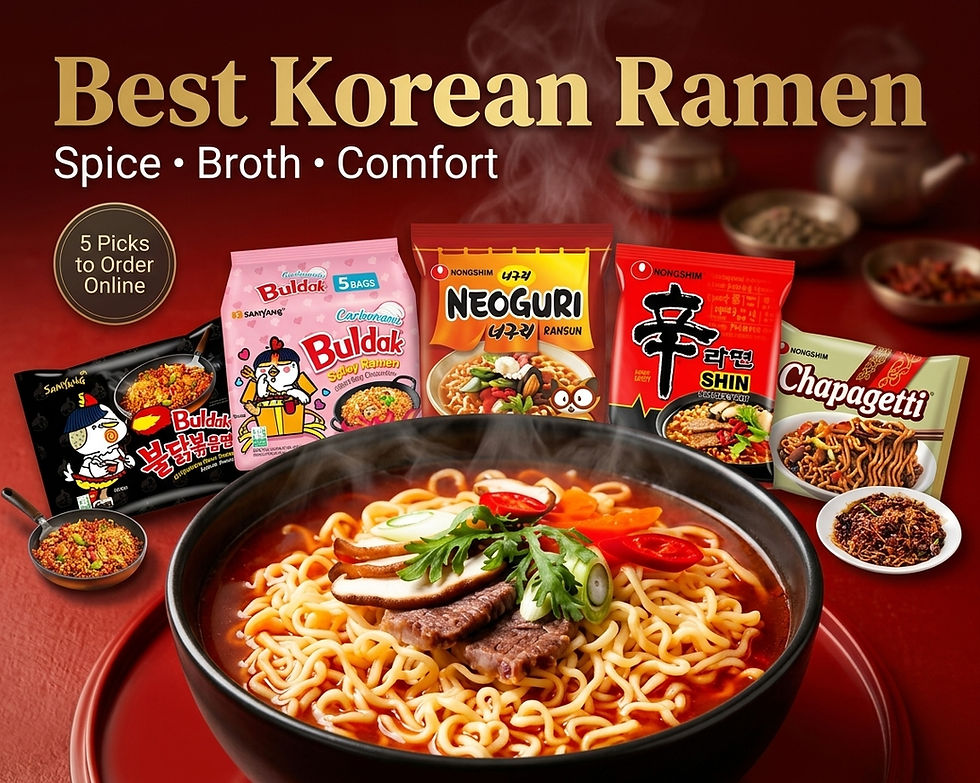
• Best-selling Korean ramen: top 5 — the icons behind your pantry.

FAQ: How to Make Jjapaguri (Ram-Don), the Viral Korean Noodle Mashup
1. What is jjapaguri, and why did it get so popular?
Jjapaguri is a Korean noodle mashup made by combining two instant noodles: a black bean noodle and a spicy seafood noodle. It was already a late-night favorite in Korea, but it went global after appearing in a famous movie scene where a luxurious version is served with steak on top.
2. What noodles do I need to make jjapaguri at home?
You need one packet of black bean instant noodles and one packet of spicy seafood instant noodles. The recipe uses both sets of dried vegetable flakes, the full black bean seasoning packet, and only half of the spicy seafood seasoning packet so the dish does not become too salty or overwhelmingly spicy.
3. How spicy is jjapaguri, and is it beginner-friendly?
Jjapaguri lands around medium spice. The black bean sauce brings rich, savory flavor, while the spicy seafood packet adds heat and depth. Using only half of the spicy packet keeps the dish balanced, so most people who enjoy a little kick can handle it without it feeling like a fire challenge.
4. Why is saving some noodle water important in this recipe?
The reserved noodle water is starchy, which helps the sauce cling to the noodles and turn glossy and thick instead of dry or powdery. Using about one third of the cooking water back in the pot creates that smooth, restaurant-style sauce texture that makes jjapaguri so satisfying.
5. What are the basic steps to cook jjapaguri properly?
You boil both noodles and veggie flakes together until they are about seventy percent cooked, then drain while saving some noodle water. The noodles go back into the pot with the reserved water, black bean seasoning, and half the spicy seasoning packet. Everything is stir-fried together until the sauce thickens and coats the noodles.
6. What toppings work best on jjapaguri?
Popular toppings include a soft fried egg, melted cheese, pan-fried pork belly, sliced steak, green onions, or kimchi. A runny yolk mixes into the sauce for extra richness, while meat toppings make it feel like a full meal instead of just a snack.
7. Can I customize jjapaguri or make a fancier version?
Yes. You can adjust the heat by adding more or less spicy seasoning, use different cuts of meat on top, or add extras like mushrooms, onions, or seaweed. For a more luxurious version, thinly sliced steak or ribeye served on top of the noodles turns it into a special-occasion comfort dish.


Comments