
.png)
Korean Chicken Curry Recipe: Curry Powder, Rice, and Easy Weeknight Dinner


Korean chicken curry is the kind of dinner that works because it does not ask for much.
You need chicken, onion, potato, carrot, Korean curry powder, and rice. That is enough to make a warm, spoonable curry sauce that feels like a full meal without turning your night into a cooking project.
The goal is simple: tender chicken, soft vegetables, curry sauce thick enough to coat rice, and enough leftovers that tomorrow’s lunch is already halfway done.
For a broader explanation of Korean curry flavor, read Korean Curry Explained: What It Tastes Like, How It Differs from Japanese Curry, and Where to Start. This article stays focused on a curry Korean recipe you can actually make at home with chicken, curry powder, vegetables, and rice.
Recipe at a Glance
Detail | What to expect |
Main dish | Korean chicken curry over rice |
Best for | Weeknight dinner, leftovers, curry rice bowls |
Main seasoning | Korean curry powder |
Main protein | Chicken thigh or chicken breast |
Core vegetables | Onion, potato, carrot |
Rice pairing | Short-grain white rice or ready cooked rice |
Heat level | Mild to medium, depending on curry powder |
Texture goal | Thick, spoonable sauce that coats rice |
This is a recipe-first guide, but it is flexible. Use the method as a base, then adjust thickness, heat, and vegetables to match the curry bowl you want.
Ingredients for Korean Chicken Curry
You do not need a long ingredient list. Korean chicken curry works best when the basics are clear.
Core ingredients
Chicken thigh or chicken breast
Onion
Potato
Carrot
Korean curry powder
Water or broth
Neutral oil
Cooked white rice
Optional add-ins
Mushrooms
Peas
Zucchini
Tofu
Garlic
Black pepper
A small splash of milk for a softer finish
Kimchi, danmuji, or cabbage salad on the side
Chicken thigh is the easiest choice because it stays tender while the vegetables simmer. Chicken breast works too, but it needs a lighter hand so it does not dry out.
Onion gives the curry sweetness. Potato adds body. Carrot adds color and a mild sweetness. The curry powder brings the warm, savory flavor that makes the whole pot taste finished.
The Curry Powder
Korean curry powder is the main flavor ingredient, so choose the heat level based on the kind of bowl you want.
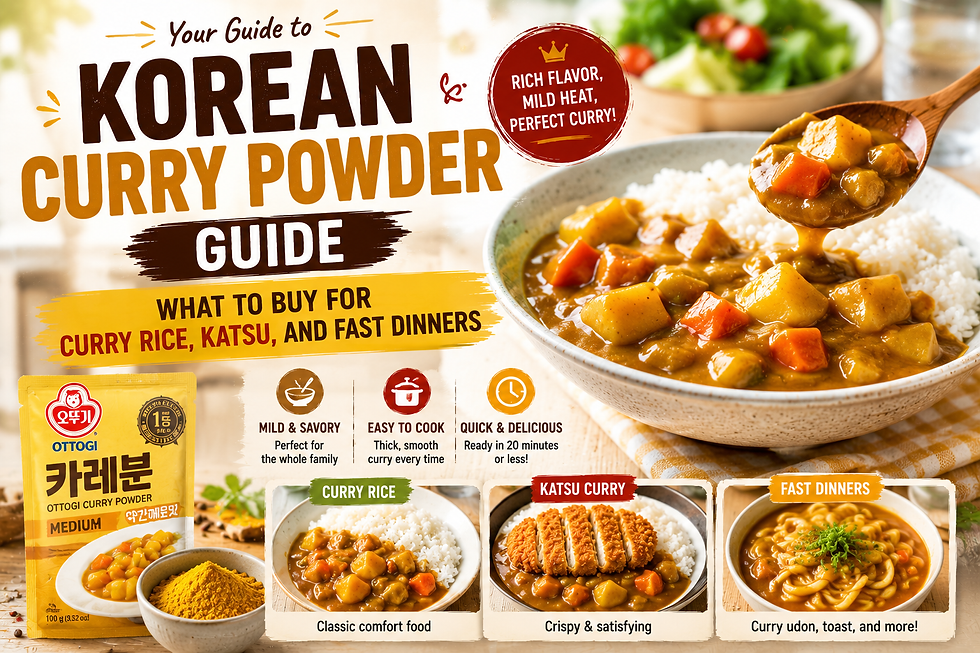
OTOKI Curry Powder Mild is the safest everyday pick for this recipe. Mild curry powder gives warmth and curry flavor without making the bowl feel spicy. It works especially well for family-style curry rice, chicken thigh, potato, carrot, onion, and repeat weeknight meals.
OTOKI Curry Powder Medium–Hot is better if you want a stronger curry flavor and a little more heat. Use it when the curry will be served with richer chicken, browned onions, mushrooms, or a cutlet on the side.
Start with less powder than you think you need. Let it simmer into the sauce, then taste and adjust. Curry powder can taste dusty or harsh if you add too much at once and do not give it time to hydrate.
Simple Korean Chicken Curry Method
This method gives you the structure of a curry recipe korean home cooks can adapt without needing exact restaurant-style steps.

1. Cut everything bite-size
Cut the chicken, potato, carrot, and onion into spoon-friendly pieces. Korean curry for rice should be easy to eat with rice, so avoid huge chunks.
Keep potato and carrot similar in size so they soften at the same pace. Cut chicken into even pieces so it cooks evenly.
2. Brown the chicken lightly
Heat a little neutral oil in a pot. Add the chicken and cook until the outside is lightly browned.
You do not need a deep sear. The goal is to give the chicken a little flavor and help it hold together before simmering.
3. Add onion, potato, and carrot
Add the onion first and let it soften slightly. Then add potato and carrot. Stir everything so the vegetables pick up some of the chicken flavor.
This step matters because onion sweetness helps the curry taste rounder. If you rush straight to water and powder, the curry can taste flatter.
4. Add water or broth and simmer
Add enough water or broth to cover the ingredients comfortably. Simmer until the potato and carrot are mostly tender and the chicken is cooked through.
Do not add all the curry powder before the vegetables soften. Let the base cook first so the sauce has something to hold onto.
5. Stir in Korean curry powder
Lower the heat slightly and stir in the curry powder gradually. Add a little, stir, simmer, and taste.
The sauce should thicken as the curry powder hydrates. If it gets too thick, add a splash of water. If it tastes too weak, add a little more powder and simmer again.
6. Simmer until spoonable
The finished sauce should be thick enough to coat rice but loose enough to move in the bowl. It should not be watery, and it should not sit like paste.
Taste before serving. If it feels flat, it may need a little more simmering, a pinch of salt, or more onion sweetness next time.
7. Serve over rice
Spoon the curry over hot white rice. Add kimchi, danmuji, cabbage salad, or roasted seaweed on the side if you want contrast.
This is the easiest way to turn Korean curry powder into a complete dinner.
Texture Cues: How the Curry Should Look and Feel
Good Korean chicken curry should be spoonable.
The sauce should coat the rice without flooding it. Potato edges should be soft, but not completely broken down. Carrot should be tender. Chicken should stay juicy enough that it does not feel separate from the sauce.
Look for these cues:
sauce coats the spoon
rice holds the curry instead of turning soupy
potato is soft enough to cut with a spoon
curry powder tastes cooked, not dusty
chicken is tender, not dry
sauce moves slowly when stirred
If the sauce is too thin, simmer uncovered for a few more minutes. If it is too thick, add water or broth a little at a time. If the flavor is too weak, add a small amount of curry powder and simmer until the taste settles.
Rice Pairing
Korean chicken curry is built for rice.
Short-grain white rice is the easiest pairing because it holds sauce well and gives the curry a soft, comforting base. Freshly cooked rice is great, but ready rice works well when the sauce is the only thing you want to cook.
Raw Nature Cooked White Rice is the better pantry option if you want multiple quick curry rice meals, leftovers, or meal prep bowls.
Dongwon Cooked White Rice is a smaller ready-rice option if you only want a few quick curry bowls.
Use ready rice when speed matters. Use freshly cooked rice when you already have the rice cooker going.
Easy Variations
➡️ Korean chicken curry with mushrooms
Add mushrooms with the onion or after the vegetables start to soften. Mushrooms add savory depth and make the curry taste fuller.
➡️ Korean chicken curry with tofu
Add firm tofu near the end so it warms through without breaking apart. This is useful when you want to stretch the meal without adding more chicken.
➡️ Medium-hot chicken curry
Use medium-hot curry powder when you want more heat. It works especially well with chicken thigh, browned onion, and a thicker curry sauce.
➡️ Katsu-style chicken curry
Serve the curry beside sliced chicken cutlet or pork cutlet. Keep some sauce off the cutlet if you want the crust to stay crisp longer.
For more curry plate ideas, read Korean Curry Night Beyond the Box: The Cutlets, Pickles, and Sides That Make It Feel Complete.
➡️ Leftover curry rice bowl
Reheat the curry gently, loosen it with water if needed, and serve it over rice with an egg, kimchi, roasted seaweed, or leftover vegetables.
Common Mistakes
Adding too much curry powder at once is the first mistake. Build the flavor gradually and simmer so the powder does not taste raw or dusty.
Using chicken breast and simmering it too long can make the meat dry. Chicken thigh is more forgiving.
Cutting the potato too large can make the curry feel clunky instead of spoonable.
Skipping onion makes the curry taste less rounded. Onion sweetness helps soften the curry flavor.
Making the sauce too watery weakens the rice bowl. Curry for rice needs enough body to coat the spoon.
Making the sauce too thick can also hurt the meal. The curry should move over rice, not sit like paste.
Serving curry without enough rice is another planning issue. The sauce is built to be eaten with rice, so make sure the base is ready.
Leftovers and Reheating
Korean chicken curry is good leftover food.
The sauce thickens as it sits, so add a splash of water or broth when reheating. Warm it gently and stir often so the bottom does not scorch.
Leftovers work well as:
curry rice
curry with egg
curry with ready rice
curry over noodles
curry fried rice base
curry with tofu
curry with a cutlet on the side
If the reheated curry tastes a little quiet, add a small pinch of curry powder and simmer briefly. If it is too thick, loosen it before adding more seasoning.
What to Buy First
👉 Buy OTOKI Curry Powder Medium if this is your first Korean chicken curry
Choose OTOKI Curry Powder Medium if you want the safest everyday curry powder for chicken curry, rice meals, vegetables, and leftovers.
👉 Buy OTOKI Curry Powder Medium–Hot if you want more heat
Choose OTOKI Curry Powder Medium–Hot if you want a bolder curry bowl or a smaller powder for stronger weeknight curry.
👉 Buy Raw Nature Cooked White Rice if curry rice is a regular meal
Choose Raw Nature Cooked White Rice if you want multiple ready rice portions for curry dinners, leftovers, and quick lunch bowls.
👉 Buy Dongwon Cooked White Rice if you want a smaller ready-rice option
Choose Dongwon Cooked White Rice if you only need a few quick curry rice servings.
👉 Browse our [Curry & Jjajang Category] for more options.
Final Verdict
Korean chicken curry is one of the easiest ways to turn Korean curry powder into dinner.
Cook chicken with onion, potato, and carrot. Simmer until the vegetables soften. Add curry powder gradually. Adjust the sauce until it is thick enough to coat rice but loose enough to spoon. Serve it hot over rice with kimchi, danmuji, cabbage salad, or whatever side makes the bowl feel complete.
Use medium curry powder for the safest comfort bowl. Use medium-hot when you want more spice. Keep ready rice on hand if the goal is a faster weeknight dinner.
The best Korean chicken curry is not complicated. It is warm curry sauce, tender chicken, soft vegetables, and rice that makes the whole bowl feel finished.
Related Posts to Read Next
Korean Curry Explained: What It Tastes Like, How It Differs from Japanese Curry, and Where to Start
Korean Curry Night Beyond the Box: The Cutlets, Pickles, and Sides That Make It Feel Complete
Ottogi Curry vs Vermont Curry: Which Box Makes the Better First Weeknight Dinner?
Best Korean Convenience Foods for Nights When You’re Too Tired to Cook
Best Korean Side Dishes That Make Plain Rice Feel Like a Full Meal
FAQ
What is Korean chicken curry?
Korean chicken curry is a curry rice dish made with chicken, Korean curry powder, onion, potato, carrot, and rice. It is warm, savory, slightly sweet, and usually mild enough for an easy dinner.
Is this a curry Korean recipe or a buying guide?
This is a recipe-first guide. It includes product guidance because Korean curry powder and rice matter, but the main focus is making Korean chicken curry at home.
What Korean curry powder should I use?
Use medium Korean curry powder if you want the safest everyday flavor. Use medium-hot if you want more spice and stronger curry flavor.
Can I use chicken breast for Korean chicken curry?
Yes. Chicken breast works, but it can dry out if simmered too long. Chicken thigh is more forgiving and usually stays juicier.
What vegetables go in Korean chicken curry?
The classic vegetables are onion, potato, and carrot. Mushrooms, peas, zucchini, or tofu can also work.
How thick should Korean curry be?
It should be thick enough to coat rice and a spoon, but not so thick that it sits like paste. Add water if it gets too thick, or simmer if it is too thin.
What rice goes best with Korean curry?
Short-grain white rice is the easiest pairing. Ready cooked white rice is useful when you want the curry sauce to be the only cooking step.


Comments