
.png)
What Is Korean Fish Sausage? The Lunchbox Staple That Tastes Better Than It Sounds


“Korean fish sausage” is one of those names that loses the argument before the bite ever gets a chance.
It sounds processed. It sounds fishier than most people want. It sounds like the kind of thing you buy only if you already grew up with it.
Then you eat it.
Mildly savory. A little sweet. Soft, springy, easy to slice, easy to pan-heat, easy to tuck into a lunchbox or lay next to rice and eggs without turning the whole meal weird. Suddenly the name matters a lot less than the fact that it works.
That is the real story of Korean fish sausage.
It is not a delicacy. It is not trying to be fish cake or a hot dog exactly either. It is one of those Korean everyday proteins that keeps making sense because it is quick, familiar in texture, and much more useful than the English translation suggests.
TL;DR
Korean fish sausage is a mild, processed fish-based sausage-style food that is popular in lunchboxes, quick meals, and snack-friendly home cooking. It usually tastes lightly savory, slightly sweet, and soft-chewy rather than strongly fishy. That is why it works so well sliced into lunchboxes, pan-heated with eggs, served with rice, or eaten as a quick snack. The name can sound stranger than the food actually tastes. In practice, it is one of those easy Korean staples that makes much more sense once you try it the way people actually use it.
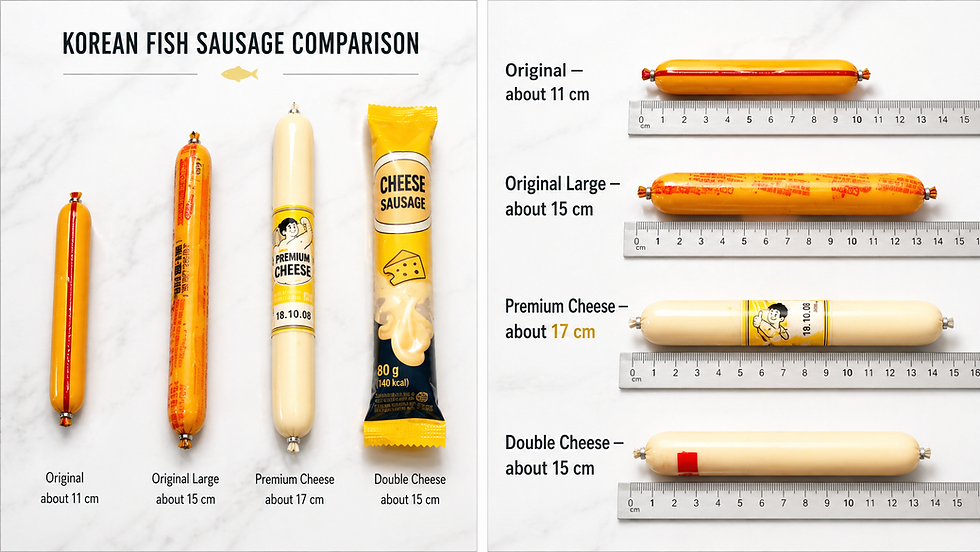
What Korean fish sausage actually is
Korean fish sausage is a sausage-style product made with fish-based ingredients, designed to be easy to slice, snack on, pan-heat, or pack into simple meals.
That is the useful definition.
It sits somewhere between snack protein, lunchbox filler, and quick-cook pantry helper. It is not the same thing as sheet-style fish cake, and it is not the same thing as a meat hot dog either. The texture tends to be softer, smoother, and a little springier than people expect, which is part of why it works so well in casual meals.
That is also why the category keeps showing up in Korean lunchbox logic. It is easy to portion, easy to cook, and easy to fit beside rice, eggs, or banchan without needing a whole recipe around it.
Why it tastes better than it sounds
The English name makes people expect something loud.
Korean fish sausage is usually not loud.
It is usually mild.
That is the whole surprise.
Instead of tasting aggressively fishy, most versions lean savory, a little sweet, and soft enough to feel familiar fast. The point is convenience and gentle flavor, not seafood intensity. That is why the category works for so many people who would hesitate if they only read the name.

A very straightforward first example is Wang Fish Sausage. This product is mildly savory, slightly sweet, and tender-chewy, which is exactly the kind of profile that makes Korean fish sausage click quickly for beginners. It sounds more intimidating than it eats.
Why it became such a lunchbox staple
Korean fish sausage makes sense in lunchboxes for the same reason so many family staples survive: it is reliable.
It slices neatly. It can be eaten warm or room temperature. It does not need a complicated sauce to taste finished. And because the flavor stays on the milder side, it fits beside rice, rolled egg, kimchi, vegetables, or fruit without hijacking the whole lunchbox.

That is a very strong set of traits for everyday food.
This is also where the mini-stick versions make immediate sense. Wang Mini Fish Sausage Pepper Bong is an easy example for snacks and lunchboxes. The pepper version gives the category a more playful, lunchbox-friendly edge without changing the basic idea.
What it tastes like
Korean fish sausage usually tastes savory first, then a little sweet, with a soft, slightly springy bite.
That is the core profile.
Some versions feel smoother and milder. Some lean smokier. Some mini-stick versions get more seasoned or more snack-coded. But the main category tends to stay very approachable. The flavor is supposed to be easy to eat repeatedly, not something that demands a strong mood.
That is why fish sausage can work for breakfast plates, lunchboxes, rice bowls, and quick snacks without needing a whole explanation every time.

How it feels different from Korean fish cake
This comparison helps because the two categories sound more similar than they actually eat.
Fish cake usually feels more obviously seafood-based and more dish-specific. Shape matters a lot because fish cake gets folded into soup, stir-fries, skewers, or tteokbokki in very visible ways.
Fish sausage is simpler in use.
It is more self-contained. You slice it, warm it, pan-fry it, tuck it into a lunchbox, or eat it as a quick protein. It behaves more like an everyday sausage staple than an ingredient you have to build a dish around.
That is why a larger all-purpose pack like Sajo Daerim Champion Fish Sausage makes sense, it is tender, mildly savory, and useful for snacks, soups, or stir-fries, which shows how the category can stay simple while still being flexible.
It is not trying to compete with gourmet sausage
This is important if you want to judge the category fairly.
Korean fish sausage is not built to be artisanal or deeply meaty or especially complex. It is built to be useful.
That is the correct standard.
The best versions are the ones that fit easily into everyday life, not the ones that try to prove the most. Once you look at it through that lens, the category starts making a lot more sense. It is a lunchbox and quick-meal staple because it solves small food problems efficiently.
Why the smoky versions help the category click faster
For some people, the easiest way into Korean fish sausage is through the versions that feel a little more sausage-like in the Western sense.

That is where a product like Jinju Smoked Fishcake Vienna Sausage fits perfectly. It is smoky, mildly savory, and juicy, which is exactly the kind of profile that helps the category feel less abstract if the phrase “fish sausage” still sounds strange in your head.
It gives you a more familiar entry point while still staying within the Korean fish-sausage lane.
What kinds of meals it fits best
Korean fish sausage makes the most sense in meals that need one more easy protein, not one more complicated dish.
It fits well in:
lunchboxes
rice-and-egg meals
quick pan-fried breakfasts
after-school snacks
side plates that need something savory but not too heavy
simple dinners where the rest of the meal is already doing enough
That is where the category earns its keep. It does not ask for a lot of setup, and it rarely needs the whole meal to revolve around it.
Why people keep rebuying it
Korean fish sausage is one of those products that gets rebought because it keeps being easier to use than expected.
The flavor is friendlier than the name suggests.
The texture works in more situations than people assume.
And once you have one pack around, it starts slipping naturally into meals that would otherwise feel a little unfinished.

That is why even a more flavored mini-stick option like Wang Mini Fish Sausage BBQ Bong BBQ Flavored makes sense to mention. It shows how the category can move beyond “ingredient” and into “easy snack or lunchbox protein” without losing what makes it convenient in the first place.
Is Korean fish sausage beginner-friendly?
Yes, more than the name makes it sound.
That is one of the main reasons it keeps surprising people.
If someone hears “fish sausage” and expects something strong, fishy, or hard to place, the actual experience is usually much gentler. The category is often easier to understand than fish cake because the use is so straightforward.
That makes it a good beginner item for people who want to try more Korean everyday staples without starting with something that requires a whole recipe or a strong fermentation tolerance.
Why the category matters more than it first seems to
Korean fish sausage is not glamorous food.
That is part of why it is useful to understand.
Not every pantry staple earns attention because it is impressive. Some earn it because they explain how ordinary meals actually get built. Fish sausage belongs in that group. It shows how Korean home food often relies on small, flexible, repeatable ingredients that can move between lunchboxes, snacks, breakfasts, and quick dinners without ceremony.
That is a very real kind of value.
👉 Browse our [Ham & Sausage Category] for more options.
Final bite
Korean fish sausage tastes better than it sounds because it is not trying to win you over with intensity.
It wins on ease.
Mild flavor. Soft bite. Lunchbox logic. More uses than the name suggests.
That is why it lasts.
Once you understand what kind of food it is actually trying to be, it stops sounding strange and starts sounding like exactly the kind of staple people keep around for a reason.
Related posts to read next
FAQ
What does Korean fish sausage taste like?
It usually tastes mildly savory, slightly sweet, and soft-chewy rather than strongly fishy.
Is Korean fish sausage the same as fish cake?
No. Fish sausage is usually more self-contained and sausage-like in use, while fish cake is more obviously an ingredient shaped for soups, stir-fries, or street-food dishes.
Why is Korean fish sausage popular in lunchboxes?
Because it slices neatly, travels well, tastes good warm or room temperature, and fits easily beside rice, eggs, and other simple sides.
Is Korean fish sausage spicy?
The basic category usually is not, but flavored mini-stick versions can add pepper or BBQ seasoning.
What is the best Korean fish sausage to try first?
A mild classic pack is usually the easiest first buy because it shows the category in its most everyday, approachable form.
Can you cook Korean fish sausage or just eat it as a snack?
Both. It can be sliced and pan-heated, added to simple meals, packed into lunchboxes, or eaten as a quick snack depending on the product.
Why does it taste better than the name suggests?
Because the actual flavor is usually much gentler and more familiar than people expect from the phrase “fish sausage.”


Comments