
.png)
Which Korean Juk Should You Try First? A Beginner’s Guide to Porridge for Comfort, Breakfast, and Sick Days


A lot of people hear “porridge” and picture one very specific kind of bowl: plain, soft, maybe something you eat when you are sick and not much else sounds good.
Korean juk is broader than that.
Yes, some bowls are exactly what you want on a bad stomach day or a quiet morning when you want something warm and easy. But some are richer. Some feel like proper comfort food, not just recovery food. Some lean savory and soothing. Others are softly sweet, nutty, or pumpkin-rich and make more sense at breakfast than at dinner.
That is what can make Korean juk hard to choose the first time. The word itself is simple, but the bowls are not all doing the same job. One is there for low-energy comfort. One feels deeper and more luxurious. One belongs in a breakfast mood. One is the kind of thing you can make from pantry staples and still feel taken care of.
Once you stop treating juk like one generic category, the first bowl gets much easier to pick.
TL;DR
For most beginners, Dakjuk is the safest first bowl. It is savory, gentle, and familiar in the best way. Vegetable Juk is a good fit if you want something very mild. Tuna Juk works well when you want a practical pantry version. Jeonbokjuk is the richer, more special bowl. Hobakjuk is the easiest sweet Korean porridge to try for breakfast, and Heugimja-juk is the better pick if you like deeper, nuttier flavors. The best Korean juk to try first depends on whether you want comfort, convenience, breakfast, or something that feels a little more luxurious.

Why Korean Juk Is Worth Knowing
Juk is one of those foods that can meet you where you are.
It works when you are tired, when your appetite is low, when breakfast needs to be quiet instead of busy, when you want something warm but do not want to chew through a full plate, and when comfort matters more than excitement. But that does not mean it is bland or one-note. Good juk still has personality. It just shows up more softly.
That is part of why Korean porridge for beginners makes so much sense. The texture is easy from the first spoonful. The flavors tend to come through in a calmer, rounder way. A chicken-based bowl feels savory without feeling heavy. A pumpkin bowl feels cozy without turning into dessert. A black sesame bowl can feel rich and nutty even though the whole meal is still soft and spoonable.
Juk also does something a lot of comfort food does not. It shifts well across different parts of the day. Some bowls feel right first thing in the morning. Some belong on a sick day. Some are the kind of lunch or light dinner you want when you are cold, worn out, or not in the mood for anything loud.
That range is what makes it worth understanding before you buy your first one.
The Best First Bowl for Most People
Dakjuk
If you only want one answer to the question of which Korean porridge to try first, Dakjuk is the easiest place to land.
It is chicken porridge, and that already gives it a kind of built-in familiarity. Even before the first bite, most people know what kind of comfort they are signing up for. The bowl is soft, savory, warm, and easy in a way that feels immediately legible. Shredded chicken runs through the rice, the spoon moves through it without effort, and the whole thing feels like the gentlest version of a chicken-and-rice meal.
This is the bowl for mornings when your stomach is not fully awake yet. It is the bowl for sick days, for rainy weather, for low-energy dinners when you want warmth more than complexity. It does not ask much from you, which is exactly why it works.
What makes Dakjuk such a strong first bowl is that it is comforting without being vague. It still tastes like a real meal. A little sesame oil, maybe a few scallions, maybe a bit of pepper, and suddenly it feels simple but not plain. That is a very good way to meet Korean juk for the first time.
Vegetable Juk
Vegetable Juk is quieter, but that can be exactly the right thing.
It is often the best bowl when you want something truly gentle. Small pieces of carrot, onion, zucchini, mushroom, or other vegetables soften into the rice and make the porridge feel steady and mild rather than strongly flavored. The whole bowl tends to taste like warmth more than any one ingredient.
That makes it one of the best Korean porridges for sick days and low-appetite meals. It does not push seafood at you. It does not lean sweet. It does not bring a big meaty richness either. It just feels easy to keep eating, spoon after spoon, which matters more than people think when you are tired or not very hungry.
For beginners, this is a good first bowl if chicken is not what you want and you are looking for the gentlest entry point possible.

The Bowl That Feels Most Real-Life Friendly
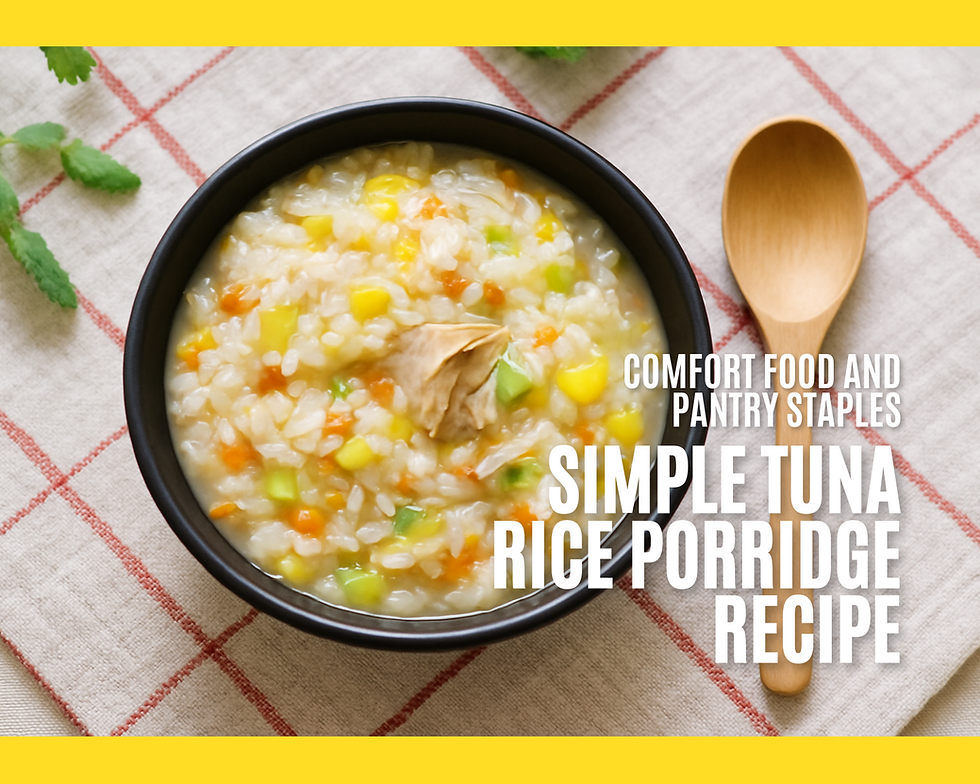
Tuna Juk
Tuna Juk does not always get the same attention as Chicken Juk or Abalone Juk, but it makes a lot of sense for the way people actually cook at home.
It has a pantry kind of comfort to it. The tuna gives the bowl more savory depth than a very plain porridge, but it still stays soft, practical, and unfussy. It feels like the kind of meal you make because you need something warm, filling, and low-effort, not because you planned a special weekend cooking project.
That is exactly why it works so well as a beginner bowl. If you already like canned tuna rice bowls, simple savory lunches, or meals that come together from things you already have around, Tuna Juk feels intuitive fast. The flavor is fuller than Vegetable Juk, but it is still nowhere near as distinct or premium-feeling as Jeonbokjuk.
This is the bowl for the days when comfort and convenience need to happen at the same time.
If You Want a Richer First Bowl
Jeonbokjuk
Jeonbokjuk is the bowl to try when you want juk to feel special.
Abalone gives it a deeper, more oceanic savoriness than the gentler everyday bowls, and the whole thing tends to feel richer without becoming heavy. It is still porridge, still soft, still spoonable, but the flavor has more presence behind it. This is the kind of bowl that feels like it belongs to a slower meal, one you actually sit with instead of just finishing because you need something easy.
For some people, Jeonbokjuk is the bowl that makes Korean juk click. It shows that porridge can feel elegant and deeply comforting at the same time. But it is not the safest first bowl for everyone. If you are unsure about seafood-forward flavors, Dakjuk is still the easier starting point.
If you already know you like shellfish, seafood soups, or richer savory bowls, though, Jeonbokjuk can be a very satisfying first try. It feels restorative, but also a little indulgent.
If Breakfast Is the Main Goal, Go Sweeter
Hobakjuk
Hobakjuk is one of the easiest sweet Korean porridge types to love early.
It is thick, smooth, and gently sweet, with a mellow pumpkin flavor that feels warm rather than sugary. The texture is part of the appeal. It is soft in a velvety way, not just mushy, and the whole bowl has a kind of golden calm to it that makes sense on quiet mornings.
This is a great first Korean porridge if your breakfast instincts already lean toward oatmeal, sweet squash soup, or other warm bowls that feel soothing more than rich. Hobakjuk does not usually read as dessert. It reads as comfort, just in a different lane from Dakjuk.
It is especially good when you want breakfast to feel soft and slow instead of salty and busy.
Heugimja-juk
Heugimja-juk, or black sesame porridge, is the bowl for people who like deeper, toastier flavors.
It has a nuttier, darker kind of comfort than Hobakjuk. Where pumpkin porridge feels soft and mellow, black sesame porridge feels richer and more grounded. The sesame gives it a roasted quality that lingers a bit longer on the palate, and the bowl often feels more substantial even though the texture is still smooth and gentle.
This is not always the most universal first bowl, but for the right person it can be the one that lands hardest. If you already like black sesame desserts, nutty drinks, sesame sweets, or breakfast bowls with more depth than plain sweetness, Heugimja-juk can be a very good first pick.
It is less bright than Hobakjuk and a little more grown-up in mood, which is exactly why some people end up preferring it.
Which Korean Juk Fits Comfort, Breakfast, and Sick Days Best?
If your main goal is comfort, start with Dakjuk. It gives you warmth, savoriness, and that easy spoonable texture without feeling too plain. If you want comfort with more richness behind it, Jeonbokjuk is the better move.
If you want juk for sick days, Dakjuk and Vegetable Juk are usually the safest bets. They are the bowls most likely to feel good when your appetite is low and you want something soft that does not fight back.
If you want juk for breakfast, that is where the sweeter bowls make more sense. Hobakjuk is the softer, gentler breakfast choice. Heugimja-juk is the better fit when you want breakfast to feel nuttier and a little deeper.
If what you want most is something practical, Tuna Juk deserves a lot more attention than it usually gets. It fits real home life well. It tastes like something you would actually make on a weekday and be glad you did.
That is the most useful way to think about savory and sweet Korean porridge types. They are not all versions of the same bowl. They fit different moods.
👉 Browse our [Instant & Quick Food category] for more options.
So Which Juk Should You Try First?
For most people, the first spoon should probably be Dakjuk.
It is the easiest entry point because it feels familiar right away. Warm chicken, softened rice, a mild savory profile, and that deeply easy texture that makes the whole bowl feel calming without being boring. It is the best answer for the biggest number of people.
After that, the next bowl depends on what you want more of.
If you want something gentler, go to Vegetable Juk.If you want something more practical, go to Tuna Juk.If you want something richer, go to Jeonbokjuk.If you want something sweet and breakfast-friendly, go to Hobakjuk.If you want something nuttier and deeper, go to Heugimja-juk.
That is really the beginner guide to Korean juk in the simplest form. Start with the bowl that already sounds like your kind of comfort. The rest gets easier from there.

FAQ
What is Korean juk?
Korean juk is Korean porridge, usually made from rice cooked down until soft and spoonable. Some versions are savory, with ingredients like chicken, vegetables, tuna, or abalone, while others are sweeter, like pumpkin or black sesame porridge.
Which Korean juk is best for beginners?
For most beginners, Dakjuk is the best first bowl because it is mild, savory, and easy to understand right away. Vegetable Juk is another good starting point if you want something even gentler.
What Korean porridge is best for sick days?
Dakjuk and Vegetable Juk are usually the best choices for sick days because they are soft, mild, and easy to keep eating when your appetite is low.
Which Korean juk is sweet?
Hobakjuk and Heugimja-juk are two of the better-known sweet-leaning options. Hobakjuk is softer and pumpkin-based, while Heugimja-juk has a deeper black sesame flavor.
What is the difference between Dakjuk and Jeonbokjuk?
Dakjuk is chicken porridge, so it tastes milder and more familiar. Jeonbokjuk is abalone porridge, so it usually feels richer, deeper, and more seafood-forward.
Which Korean porridge is best for breakfast?
If you want a breakfast-style bowl, Hobakjuk is often the easiest place to start because it is gently sweet and very soothing. Heugimja-juk is a good breakfast choice too if you like nuttier, toastier flavors.
Which Korean juk should I try first if I do not like seafood?
Start with Dakjuk, Vegetable Juk, or Hobakjuk. Those are the easiest first bowls if you want to avoid seafood flavor and still get a good feel for Korean juk.


Comments