
.png)
Which Korean Rice Should You Keep at Home? White Rice, Multigrain Rice, and Instant Rice Explained

Updated: May 10

Rice can look like the simplest part of a Korean meal right up until you are the one deciding what to keep at home.
Then it starts feeling less simple. One kind is the soft, familiar bowl that makes soup, kimchi, grilled fish, and side dishes all fall into place. One kind brings more chew and more grain flavor, which changes the feel of the meal before you even touch the banchan. One kind lives in the pantry or freezer for the days when nothing is cooked and that matters more than usual.
That is why this is not really a question of which rice is best. It is a question of which rice fits the way your kitchen works. The rice that shows up beside dinner most nights. The rice that makes lunch feel a little heartier. The rice that saves the meal when cooking fresh rice is not happening.
Once you look at it that way, Korean rice gets much easier to choose.
TL;DR
If you want the most classic everyday option, keep white short-grain rice at home. If you want a bowl that feels nuttier, chewier, and a little more substantial, keep multigrain rice. If you want the easiest backup for quick lunches, low-effort dinners, or last-minute meals, keep instant rice. For most beginners, the smartest first setup is white rice first, then instant rice or multigrain rice depending on whether your real need is speed or variety.
Why the Right Rice Has More to Do With Routine Than Preference
Rice does quiet work in a Korean meal, but it does a lot of it.
It is what helps strong flavors make sense together. It sits under kimchi, beside soup, under grilled meat, next to braised tofu, under a fried egg, beside fish cake, under seaweed, beside stew. A lot of Korean food tastes fuller and more balanced once there is rice nearby to catch everything else.
But not every kind of rice supports the meal in the same way.
White rice usually disappears into daily life because it fits almost everything without asking for attention. Multigrain rice changes the feel of the bowl and gives the meal more texture from the start. Instant rice changes the amount of effort dinner asks from you.
That is the real decision. Not just what tastes good, but what kind of rice support your week actually needs.
White Rice Is the One That Makes the Most Meals Make Sense
White Rice
If someone says Korean rice with no other explanation, this is usually what they mean.
White short-grain rice is soft, slightly sticky, and built for the way Korean meals tend to come together. It holds well with chopsticks, works naturally beside banchan and soup, and gives spicy, salty, fermented, or braised foods somewhere steady to land. It is not trying to be the star of the table. It is trying to make the rest of the table work better.
That is exactly why it earns its place so easily.

A bowl of kimchi and fried egg feels more complete with white rice. So does grilled fish, doenjang jjigae, bulgogi, seaweed, braised tofu, or even a very simple lunch made from leftovers. White rice is so useful because it rarely gets in the way. It softens sharper flavors, stretches the meal in the right way, and makes strong side dishes feel more balanced instead of more intense.
It is also the rice that feels most natural when you are still figuring out Korean meals. You do not have to build around it. You do not have to explain it to yourself. You just make it, scoop it, and suddenly the rest of the food starts making more sense.
If you only want one rice that can quietly become part of daily Korean-style eating, this is usually the right first buy.
👉 For a closer look at why the grain matters, this Korean short-grain rice guide explains why Korean white rice feels softer and stickier than jasmine, basmati, and other long-grain options.
Multigrain Rice Is the One That Makes the Bowl Feel More Lived-In
Multigrain Rice
Multigrain rice changes the mood of the meal before anything else does.
The first thing you notice is the texture. More chew. More grain character. More little moments in the bowl where the rice itself feels like part of the eating experience instead of just the neutral base under everything else. Where white rice tends to feel soft and quiet, multigrain rice feels a little more grounded.
That can be a very good thing.

A simple bowl with soup and side dishes can feel a little heartier with multigrain rice. Bibimbap can feel more textured. A lunch built from leftovers can feel less like you are just reheating and more like you are actually sitting down to something. Even a plain scoop beside grilled fish or a vegetable side dish can make the meal feel a little fuller and more settled.
That is why multigrain rice often becomes the rice people reach for when they already know they like Korean meals and want the bowl to have a little more presence. It does not replace white rice for everybody, and it is not always the easiest starting point for absolute beginners. But once you know you like a little more chew and a little more grain flavor in the middle of the table, it starts feeling very worth keeping around.
It is the rice for when you want the meal to feel slightly more rooted, not necessarily heavier, just more textured and complete.
👉 If you want that extra color and chew without committing to a full grain blend, this Korean purple rice guide explains how black rice changes the bowl and how much to add.
Instant Rice Is the One That Keeps the Meal Possible
Instant Rice
Instant rice is not there to be charming. It is there to be useful, and that turns out to matter a lot.
This is the rice for the lunch that almost was not lunch. The dinner where the soup is ready, the kimchi is in the fridge, the dumplings are hot, the egg is fried, the tofu is open, and the only missing piece is rice. It is also the rice for the days when starting a full rice-cooker cycle feels like too much friction for a meal that needs to happen now.
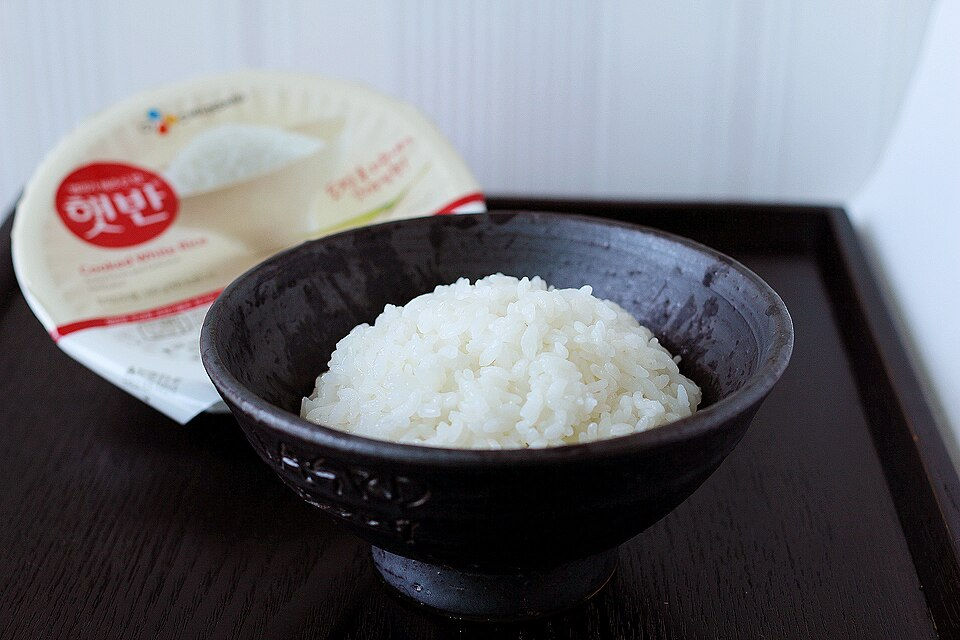
That is why instant rice belongs in a different category from white rice and multigrain rice. It is not mainly about giving you the best texture possible. It is about giving the meal a chance to happen at all.
And in real life, that counts for a lot.
A bowl of instant rice with seaweed, tuna, kimchi, and sesame oil can still feel like a real meal. So can instant rice with leftover stew, fried eggs, banchan, or frozen mandu. That kind of speed matters more than people like to admit, especially once weekday meals start depending less on ideal plans and more on what can be on the table in ten minutes.
If white rice is the steady everyday answer, instant rice is the quiet backup that keeps the kitchen from falling apart when the day gets away from you.
👉 For a brand-specific look at ready rice, porridge, rice balls, and fried rice, this Bibigo rice products guide breaks down which format fits quick lunches, freezer meals, and comfort bowls best.
How These Three Actually Feel Different During the Week
The easiest way to compare them is not by bag labels or even by ingredients first. It is by the role they play once you are actually hungry.
White rice is the one that fits almost everything without needing a reason. It slips beside soup, grilled meat, kimchi, banchan, and simple egg meals like it was always supposed to be there.
Multigrain rice is the one that makes the bowl feel a little more textured and a little more intentional. It is the kind of rice you notice in a good way, especially when the rest of the meal is simple.
Instant rice is the one that steps in when time disappears. It keeps fast lunches, leftovers, freezer meals, and low-energy dinners from falling flat just because nothing fresh is cooking in the rice cooker.
That is the real difference between white rice, multigrain rice, and instant rice. They are not three versions of the same pantry item. They belong to three different rhythms of home eating.
👉 For another texture-focused rice option, this Korean sweet rice guide explains when chapssal makes sense for porridge, rice cakes, sticky mixed rice, and comfort dishes.
Which Korean Rice Fits Your Pantry Best?
If your goal is to support the widest range of Korean meals, keep white rice at home.
If your goal is to make the bowl feel a little heartier and more textured, keep multigrain rice.
If your goal is to make meals happen faster and with less friction, keep instant rice.
That is the cleanest shortcut, but there is another good way to think about it too.
If your kitchen has a rice cooker running often, white rice or multigrain rice makes the most sense.
If your kitchen runs on quick lunches, leftovers, and backup meals, instant rice earns its place fast.
If you want the most flexible first rice, white rice is still the safest answer.
The best Korean rice for your pantry is the one that keeps showing up in your actual week, not the one that sounds best in theory.
Once people figure this out, they usually stop trying to find one forever rice and start keeping two kinds around.
A very normal setup is white rice plus instant rice. One handles the meals when there is time to cook. The other handles the meals when there is not.
Another good setup is white rice plus multigrain rice. One gives you the classic soft everyday bowl. The other gives you something a little heartier when you want more chew and grain flavor.
Some people end up keeping all three, and that makes sense too. But if you are just starting, it is better to choose the rice that solves your most common problem first. Then add the second kind that fills the gap.
The best pantry is usually not the one with the most rice. It is the one where the rice actually gets used.
👉 Click to Shop [Rice & Grain category] from MyFreshDash
So Which Korean Rice Should You Keep at Home First?
For most beginners, the cleanest first answer is white short-grain rice.
It is the easiest to build meals around, the most natural with a Korean-style table, and the one most likely to become part of ordinary life without much effort. It works with soup, banchan, kimchi, grilled meat, tofu, eggs, and the kind of quiet weeknight meals that happen more often than anyone plans for.
After that, the second rice depends on what your kitchen needs more of.
If you need speed, go to instant rice.
If you want more texture and grain character, go to multigrain rice.
That is really the simplest beginner guide to Korean rice. Start with the bowl that supports the most meals, then add the one that solves the problem your kitchen actually has.
Related posts to read next
FAQ
What is the best Korean rice for beginners?
For most beginners, white short-grain rice is the best first choice because it is the easiest to build Korean-style meals around and the most natural fit with soup, side dishes, and everyday dinners.
What is the difference between white rice and multigrain rice in Korean meals?
White rice is softer, plainer, and more neutral, which makes it easy with almost any side dish. Multigrain rice usually feels nuttier, chewier, and a little more textured, so the rice itself has more presence in the meal.
Is instant rice good for Korean meals?
Yes. Instant rice is especially useful for quick lunches, low-effort dinners, leftover-based meals, and times when the rest of the food is ready but no fresh rice is cooked.
Which Korean rice is best for everyday meals?
White short-grain rice is usually the strongest everyday choice because it fits the widest range of Korean meals and helps stronger foods feel more balanced.
Should I keep instant rice or multigrain rice as my second rice?
Keep instant rice if your kitchen needs speed, backup, and easy meal support. Keep multigrain rice if you already cook rice regularly and want more chew and variety in the bowl.
Is multigrain rice harder to like than white rice?
For some beginners, yes, because it has more texture and more grain flavor. But if you already like heartier rice bowls or grain blends, it can become a very easy favorite.
Can I keep more than one kind of Korean rice at home?
Yes, and that is often the smartest setup. White rice plus either instant rice or multigrain rice gives you a much more useful pantry than trying to make one type do every job.


Comments