
.png)
How to Choose Kimchi for the First Time: Fresh, Aged, Mild, or Best for Cooking

Updated: May 19

Buying kimchi for the first time gets confusing because everyone talks about it like it is one flavor.
It is not.
One container can taste crisp, bright, garlicky, and only lightly tangy. Another can taste sour, deeper, softer, and much more fermented. A white kimchi can skip the red pepper heat completely. A radish kimchi can feel crunchier and sharper than napa cabbage. None of these are “wrong.” They are just different kinds of kimchi for different meals.
That is why the best first kimchi is not always the strongest, sourest, most traditional-looking one on the shelf.
The better question is simple:
are you eating it cold, cooking with it, or trying to keep the first bite gentle?
This guide breaks down fresh kimchi, aged kimchi, mild kimchi, and beginner-friendly styles so you can choose a first container that actually fits the way you want to eat it.
TL;DR
If you are buying kimchi for the first time, start with fresh or lightly fermented napa cabbage kimchi.
It is usually the easiest first choice because it stays crisp, bright, and less sour than older kimchi. It works well as a side dish with rice, noodles, eggs, dumplings, grilled meat, or ramen.
Choose aged kimchi if you mainly want to cook. Sour, well-fermented kimchi is better for kimchi fried rice, kimchi jjigae, kimchi pancakes, stir-fried kimchi, and dishes that need stronger fermented flavor.
Choose mild kimchi or baek kimchi if you are nervous about spice. Baek kimchi is white kimchi made without red pepper flakes, so it is the gentlest first step for people who want kimchi flavor without chili heat.
The easiest beginner rule: fresh napa kimchi for eating, aged napa kimchi for cooking, mild or baek kimchi for a gentler first try.
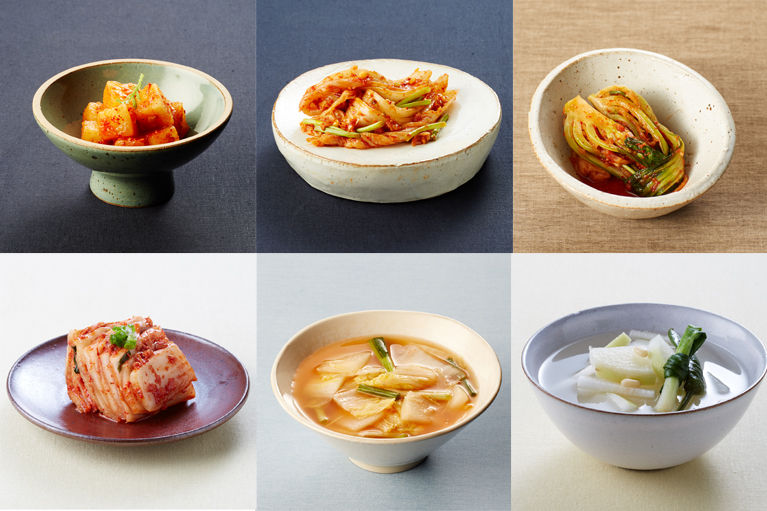
First, Know the Difference Between Fresh, Lightly Fermented, and Aged
Kimchi keeps changing after it is made.
As it ferments, acidity rises, the sourness becomes more noticeable, and the texture gradually softens. That is why kimchi can taste very different depending on how long it has been sitting.
That also means people sometimes use the word fresh a little loosely.
Sometimes they mean truly fresh, almost like a just-seasoned kimchi or geotjeori, which is meant to be eaten right away rather than fermented much at all. Other times they mean young kimchi that has started fermenting a little but still tastes crisp and bright.
For a first-time buyer, the practical takeaway is simple:
Fresher kimchi usually tastes crunchier, cleaner, and less sour.
Older kimchi usually tastes tangier, stronger, and softer.
👉 If you want to choose by brand, this Bibigo kimchi guide explains what to expect from sliced kimchi, vegan kimchi, green onion kimchi, aged-style kimchi, and radish-style searches before you buy.
Fresh or Lightly Fermented Kimchi
Best for Most First-Time Buyers
If you are new to kimchi, this is usually the best place to start.
Fresh or lightly fermented kimchi still has crunch. The cabbage feels firmer. The flavor is more about garlic, chili, salt, and freshness, with only a little tang instead of full sourness. That usually makes it easier to understand and easier to like right away.
This is the version that works best when you want kimchi as a side dish with rice, noodles, dumplings, grilled meat, or eggs. It is also the version most people are imagining when they want to try kimchi straight from the container for the first time.
If you only remember one thing from this guide, make it this:
For your first kimchi, buy fresh or lightly fermented napa cabbage kimchi.
👉 If you are still comparing the main kimchi styles, this Napa kimchi vs radish kimchi vs white kimchi guide can help you choose the type that fits your meals best.
Aged Kimchi
Best for Sour Flavor or Cooking
Aged kimchi is where kimchi starts showing its sharper side.
As fermentation continues, kimchi becomes more acidic and noticeably more sour, and the vegetables soften over time. Some people love that stronger flavor on its own. Other people only really enjoy it once it is cooked into something hot.
This is usually the better kimchi for:
kimchi fried rice
kimchi jjigae
kimchi pancakes
stir-fried kimchi
noodle dishes that need more punch
There is a reason so many Korean home-cooking recipes call for old, sour kimchi. In cooked dishes, that tang stops feeling aggressive and starts feeling useful. It cuts through richer ingredients and gives the whole dish more depth.
So if your goal is cooking, aged kimchi is often the better buy.
If your goal is eating kimchi cold for the first time, it is usually not the easiest place to start.
Mild Kimchi
Best if You Are Nervous About Heat or Fermented Flavor
A lot of first-time buyers worry that kimchi is automatically fiery, sharp, and intense.
It does not have to be.
In real-world shopping language, mild kimchi is more of a useful description than one strict official category. It can mean a lightly fermented red kimchi that is not too hot, or it can mean a truly non-spicy style like baek kimchi.
This is a good lane if you:
do not like strong spice
are cautious about sour fermented foods
want a gentler first experience
prefer refreshing flavors over punchier ones
If somebody says, “I want to try kimchi, but I don’t want to get hit with too much heat,” mild kimchi is usually the smartest answer.
👉 If you need to avoid fish sauce, salted shrimp, or anchovy-based seasoning, this vegan kimchi guide explains what to check before buying cabbage, white, or daikon-style kimchi.
Best Kimchi for Cooking
Usually Sour, Well-Fermented Napa Cabbage Kimchi
If you are buying kimchi mainly to cook, the answer gets easier.
Choose well-fermented napa cabbage kimchi.
That is usually the best fit for fried rice, stew, pancakes, and sautéed dishes because it already has the acidity and developed flavor those recipes benefit from.
Fresh kimchi can still be cooked, but it often tastes a little too clean and young for dishes that need that deeper kimchi flavor.
So if the goal is cooking, older sour kimchi usually wins.
👉 If you want to choose by brand, this Jongga kimchi guide compares Mat Kimchi, sliced napa-style cabbage kimchi, white kimchi, vegan kimchi, and radish styles so you can pick the right first container.
So What Should You Buy First?
Here is the easiest way to decide.
👉 Buy fresh or lightly fermented kimchi if:
you want the easiest first-time experience
you plan to eat it as a side dish
you like crunchy texture
you want kimchi that feels bright and lively
👉 Buy aged kimchi if:
you already know you like tangy fermented foods
you want stronger sour flavor
you mainly want to cook with it
you are making fried rice, stew, or pancakes
👉 Buy mild kimchi if:
you do not like much spice
you want a softer introduction
you are sensitive to stronger fermented flavor
you want something more refreshing than intense
If you are still torn, the safest beginner answer is still:
Fresh or lightly fermented napa cabbage kimchi
👉 If you already know the style you want and are ready to shop, this where to buy kimchi online guide explains what to check before choosing fresh, cut, napa, radish, white, or vegan kimchi.
What First-Time Buyers Usually Get Wrong
The most common mistake is buying strongly aged kimchi and expecting it to taste crisp and fresh.
That is usually where the confusion starts.
Another common mistake is thinking one version is “better” than the others. Fresh kimchi is not better than aged kimchi in every situation. It is just better for different uses. Fresh kimchi is usually easier for direct eating; older sour kimchi often shines more in cooked dishes.
And the biggest mistake of all is buying kimchi without deciding how you want to use it.
These questions almost everything.
Are you eating it cold with rice?
Putting it next to ramen?
Making kimchi fried rice?
Dropping it into stew?
Once you know that, the choice gets much easier.
A Simple Beginner Strategy
If you want the least risky way to get into kimchi, do this:
Start with fresh or lightly fermented napa cabbage kimchi for eating.
Later, try older sour kimchi for cooking.
That gives you both sides of kimchi without forcing yourself into the most intense version first.
It is a much better introduction than buying the sharpest, sourest jar you can find and assuming all kimchi tastes like that.
➡️ If kimchi is your first refrigerated Korean grocery item, this Korean refrigerated aisle guide can help you decide what to buy next.
👉 Browse our [Kimchi category] for more options.
Final Verdict
The best first kimchi is the one that matches how you plan to eat it.
➡️ Choose fresh or lightly fermented napa cabbage kimchi if you want the easiest classic first container. It is crisp, bright, lightly tangy, and simple to eat cold with rice, noodles, eggs, dumplings, grilled meat, or ramen.
➡️ Choose aged kimchi if your real goal is cooking. Sour kimchi brings the depth that makes kimchi fried rice, kimchi jjigae, pancakes, and stir-fries taste more complete.
➡️ Choose mild kimchi or baek kimchi if you want the softest introduction. This is the better lane if strong spice, sourness, or fermented flavor makes you hesitant.
Do not start by asking which kimchi is best. Start by asking what job it needs to do: side dish, cooking ingredient, or gentle first bite.
For most first-time buyers, the answer is still fresh napa kimchi. It gives you the clearest, friendliest version of the classic kimchi experience without dropping you straight into the sharpest sour end of the category.
Related posts to read next
Napa Kimchi vs Radish Kimchi vs White Kimchi: Which Type Fits Your Taste and Meals Best
Whole Kimchi or Pre-Cut? The Smarter Buy Depends on How You Eat It
Kimchi for Cooking vs Kimchi for the Table: What’s the Difference?
What Is Geotjeori? The Fresh Korean Kimchi Style That Tastes Brighter Than the Aged Stuff
A Beginner’s Guide to the Korean Refrigerated Aisle: What to Buy First and Why It Matters
FAQ
What type of kimchi should beginners buy first?
Fresh or lightly fermented napa cabbage kimchi is usually the best first choice. It has the classic kimchi flavor most people expect, but it is crisper, brighter, and less sour than aged kimchi.
Is fresh kimchi better than aged kimchi?
Not always. Fresh kimchi is better for a gentler first bite and side-dish eating. Aged kimchi is often better for cooking because the sourness and deeper fermented flavor hold up well in fried rice, stews, pancakes, and stir-fries.
Is kimchi always very spicy?
No. Some kimchi is mild, and baek kimchi is a non-spicy white kimchi made without red pepper flakes. If you are nervous about heat, mild kimchi or baek kimchi is the safest place to start.
What is the best kimchi for cooking?
Well-fermented napa cabbage kimchi is usually best for cooking. The sour flavor gives kimchi fried rice, kimchi jjigae, kimchi pancakes, and stir-fried kimchi more depth than very fresh kimchi.
What does fresh kimchi taste like?
Fresh kimchi usually tastes crisp, bright, garlicky, lightly salty, and only mildly tangy. It has more crunch and less sourness than older kimchi.
What does aged kimchi taste like?
Aged kimchi tastes tangier, sourer, and more deeply fermented. The texture is usually softer, and the flavor becomes stronger as fermentation continues.
What is geotjeori?
Geotjeori is a fresh-style kimchi or kimchi-like preparation that is seasoned and eaten right away rather than aged for a long time. It is usually bright, crunchy, and less sour than fully fermented kimchi.


Comments