
.png)
Fresh Banchan vs Shelf-Stable Banchan: Which Korean Side Dish Format Fits Your Routine Better?

Updated: May 19

People shop for banchan like they are choosing flavor first.
Most of the time, they are actually choosing routine.
Fresh banchan looks more exciting in the moment. The colors are brighter. The texture usually feels livelier. It looks closer to the kind of Korean side dish spread people picture when they want a real meal at home.
Shelf-stable banchan usually wins later.
It is the side dish that waits for the tired weeknight. The backup lunch. The night when there is hot rice, maybe an egg, maybe some seaweed, and not much else. It is less romantic at the point of purchase, but often more useful in the part of the week where meals start slipping.
That is why this is not really a freshness debate. It is a usage debate.
The better format is the one that actually fits how you eat.
TL;DR
Fresh banchan is usually better when you want brighter texture, more immediate flavor, and side dishes that make dinner feel more like a full Korean meal right now. Shelf-stable banchan is usually better when you want convenience, longer shelf life, smaller daily effort, and backup sides that are ready when your routine falls apart. If you eat Korean meals several times a week and actually finish refrigerated sides, fresh makes sense. If you want side dishes that can wait for you and still rescue plain rice fast, shelf-stable usually fits real life better.
What counts as fresh banchan and what counts as shelf-stable?
Fresh banchan usually means refrigerated Korean side dishes that feel like they belong in the short-horizon part of your week.
Kimchi, pickled radish, seasoned greens, marinated garlic leaves, chilled vegetable sides, braised roots, and other ready-to-eat deli-style or refrigerated items all land here. Even when they last for a while, they still feel like foods you opened with a plan.

Shelf-stable banchan is the opposite kind of support system.
These are the sides that can sit in the pantry until you need them. Canned tuna, canned kimchi-style companions, stir-fried anchovy packs, seaweed rice toppings, seasoned laver flakes, and other pantry-friendly Korean side dishes often play this role. Some are not classic banchan in the strictest table-setting sense, but in real home eating they do the same job: they sit next to rice, fill in the meal, and make a quick bowl feel less lonely.
That practical overlap matters more than category purity most days.
Fresh banchan usually wins on texture and meal feeling
Fresh banchan tends to make a meal feel more like a meal right away.
That is the biggest advantage.
A refrigerated sesame leaf side dish, crisp pickled radish, fresh kimchi, or marinated vegetable side changes the table immediately. There is more snap, more moisture, more contrast, and usually more of that just-opened feel that makes hot rice and a main dish feel like dinner instead of assembly.
Fresh banchan is also better at giving a meal movement.
A rich dish tastes less heavy when something cold, bright, or lightly acidic is sitting beside it. A plain bowl of rice gets more interesting when one side is crunchy, one side is juicy, one side is a little spicy. That is why fresh banchan often feels more satisfying in the moment. It gives the meal more life.
If you are planning an actual Korean-style dinner table, fresh is usually the format that gets you there faster.
Shelf-stable banchan usually wins on reliability
Shelf-stable banchan is less glamorous, but it is often more honest about how people actually eat during the week.
Fresh sides ask for timing. They need fridge space. They need a little memory. They need someone to notice that the container is open and should probably get finished soon.

Shelf-stable sides do not ask for much until the exact moment you need them.
That difference matters more than people think. A pantry side dish that is still there on Thursday night is sometimes more useful than a prettier fresh side that was exciting on Sunday and forgotten by Tuesday.
This is why shelf-stable banchan works so well for solo eaters, inconsistent schedules, backup lunches, and anyone who likes the idea of Korean side dishes more often than they actually manage them. The format is more forgiving.
Fresh banchan is better for meal builders
Some people naturally build meals outward.
They have rice going, a soup or main in mind, and they want two or three sides that make the whole thing feel deliberate. Fresh banchan fits that kind of eater really well because it gives immediate payoff.
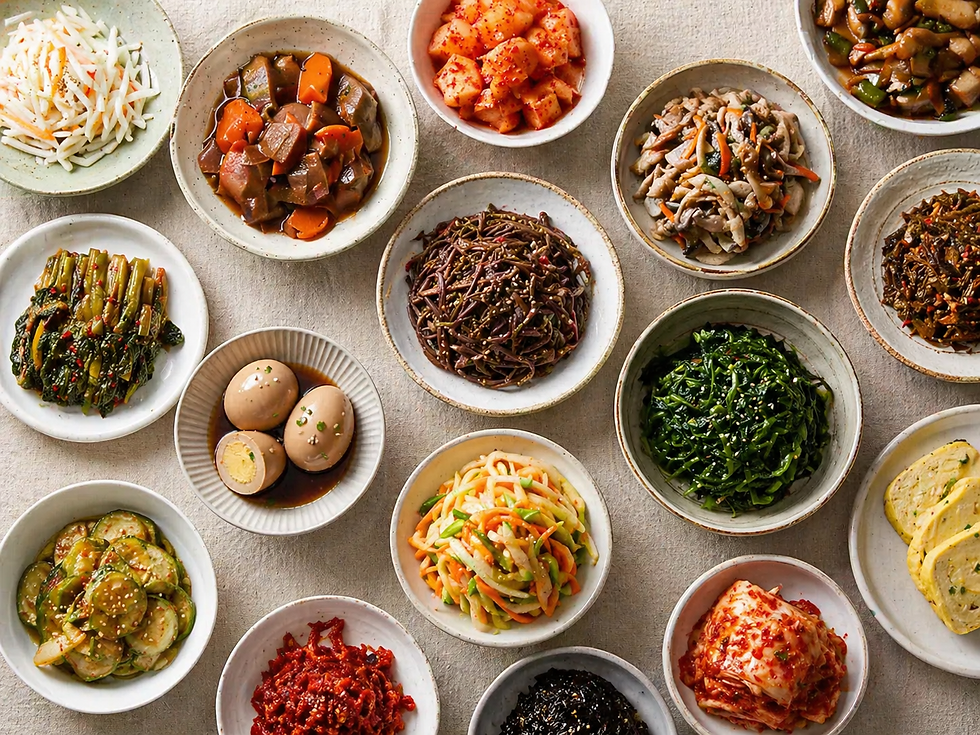
The side dish is already doing visible work. The pickles cut richness. The greens soften a meat-heavy meal. The kimchi wakes up the bowl. The leaf side adds bite and aroma. It feels like a table choice, not just a pantry fix.
If that is how you eat, fresh banchan will probably keep feeling worth it. You are using it as part of the meal design, not just as an emergency option.
Shelf-stable banchan is better for meal rescuers
Other people do not build meals outward. They rescue them late.
That is where shelf-stable banchan starts making more sense.
A can, jar, packet, or seasoned topping that can turn plain rice, leftover soup, or a fried egg into something more satisfying is incredibly useful in a tired routine. It may not feel as complete as a fridge full of fresh sides, but it often gets used more consistently because it is easier to reach for without a plan.
This is the format for people who want a Korean meal to stay possible even when the week is messy.
If your most common dinner starts with “What can I make in ten minutes with what is already here?” shelf-stable usually fits you better.
Fresh banchan usually tastes brighter. Shelf-stable usually tastes more concentrated.
This is one of the clearest eating differences.
Fresh banchan tends to give you crunch, juiciness, acidity, chill, and that sense that the side dish still has a little natural bounce left in it. Even strongly seasoned fresh sides usually feel more open.
Shelf-stable sides often come in denser.
The flavor can be saltier, sweeter, oilier, more reduced, or more direct because the format has to hold. That is not automatically worse. In fact, it is often why those sides work so well with plain rice. They are built to deliver impact fast.
So this is not really a better-versus-worse difference. It is a different kind of usefulness.
Fresh gives the meal lift.
Shelf-stable gives the meal insurance.
Which format gets finished more often?
This is the question more people should ask before they buy.
A lot of shoppers reach for fresh banchan because it looks like the more appealing choice. Sometimes it is. But if you routinely open refrigerated sides with good intentions and then watch them drift to the back of the fridge, the better format for you may not be the more exciting one.

Shelf-stable banchan often gets finished because it enters the meal later and with less pressure. You open it when you need it. It answers a problem. It does not sit there waiting for you to remember your original plan.
Fresh banchan gets finished most by people who already eat in a rhythm that supports it. Multiple Korean-style meals a week. Shared dinners. Planned lunches. Enough repetition that the side dish keeps moving.
That is why the smartest buy is usually the one that matches your pace, not your fantasy week.
Which is better for small households?
Shelf-stable usually has the edge.
If one or two people are eating most of the food, fresh banchan can still work, but only if it gets used on purpose. Otherwise the convenience turns into fridge guilt pretty quickly.
Shelf-stable sides are easier for smaller households because they wait better. They also make it easier to vary the meal without committing to several open containers at once. You can keep one bright fridge side for freshness and let the pantry handle the rest.
That combination is often the sweet spot.
Not a full fresh banchan spread every week. Just enough freshness to keep the meal alive, with shelf-stable support doing the rest.
Which is better for hosting or a real Korean dinner spread?
Fresh banchan, almost every time.
If the meal is about the table as much as the food, fresh sides bring more visual energy and more contrast. They make the spread feel intentional. They also pair better with the kind of meals where people are reaching across the table, building bites, and noticing variety from dish to dish.
Shelf-stable sides can still help, especially if you need easy backups or one more savory thing next to rice, but fresh banchan is the format that makes the table feel alive.
That is the difference between support food and table food.
Both matter. They just matter in different settings.
So which format fits your routine better?
Choose fresh banchan if you:
eat Korean meals several times a week
usually have a real dinner plan, not just a backup plan
care a lot about texture, contrast, and side dishes that feel lively
actually finish refrigerated containers once they are open
👉 If you want actual product-style examples, this guide to ready-made Korean banchan packs shows which sides help most on tired nights.
Choose shelf-stable banchan if you:
cook irregularly or eat on a shifting schedule
want rice, eggs, noodles, or leftovers to become a meal fast
need side dishes that can wait without stressing you out
care more about reliable meal support than table prettiness
A lot of people do best with both.
Fresh for the meals you mean to have.
Shelf-stable for the meals that happen anyway.
That is usually the real answer.
👉 Browse our [Kimchi, side dish & deli category] for more options.
Final bite
Fresh banchan and shelf-stable banchan are not really competing for the same job.
Fresh banchan makes meals feel brighter, more complete, and more like a real table.
Shelf-stable banchan makes meals possible on the nights when the table part is not happening.
So the better format is not the one that sounds better.
It is the one that actually survives your routine and still gets eaten.
Related posts to read next
FAQ
Is shelf-stable banchan less authentic than fresh banchan?
Not in the way that matters for everyday eating. Fresh banchan is closer to the classic side-dish table experience, but shelf-stable Korean sides still play a very real meal-building role at home, especially when convenience matters.
Does fresh banchan always taste better?
Not always. Fresh banchan usually has better texture and a livelier feel, but shelf-stable sides can be more concentrated and more useful with plain rice or quick meals.
Which banchan format lasts longer?
Shelf-stable banchan lasts longer before opening and usually creates less week-to-week pressure. Fresh banchan has a shorter horizon and works best when you already know it will get used soon.
Is fresh banchan better for Korean BBQ at home?
Usually yes. Fresh banchan brings the kind of crunch, brightness, and contrast that helps a Korean BBQ table feel complete.
Is shelf-stable banchan better for solo eaters?
Often yes. It is easier to keep around without waste, and it works well when meals happen irregularly.
Should I buy both fresh and shelf-stable banchan?
For a lot of households, yes. One or two fresh sides plus a few pantry-friendly options often works better than relying on only one format.
What is the safest first banchan format for beginners?
Shelf-stable is usually the safer first format if you are not sure how often you will actually build Korean meals at home. Fresh becomes the better buy once you know you will use it regularly.


Comments