
.png)
How to Use Golbaengi: Easy Ways to Turn This Chewy Korean Sea Snail Into a Real Meal

Updated: Apr 22

Golbaengi is easy to buy and surprisingly easy to leave sitting in the pantry.
You open the can, try a piece, get that chewy briny bite, and then realize the real question is not whether it tastes good. It is what to do with it next.
Because golbaengi is not the kind of ingredient that magically turns into dinner on its own. It needs a bowl around it. Something cold and crunchy. Something starchy. Something with enough heat, acid, or sesame depth to make the chew feel satisfying instead of random.
Once that part clicks, golbaengi gets much easier to use.
TL;DR
The easiest way to turn golbaengi into a real meal is to give it one solid base: noodles, rice, or a pile of crisp vegetables with enough substance underneath. The most classic move is spicy golbaengi muchim with somyeon. The easiest pantry move is golbaengi over rice with sesame oil, gim, and something sharp on the side. And the best general rule is simple: golbaengi needs crunch, seasoning, and a real base under it or it stays stuck in side-dish territory.
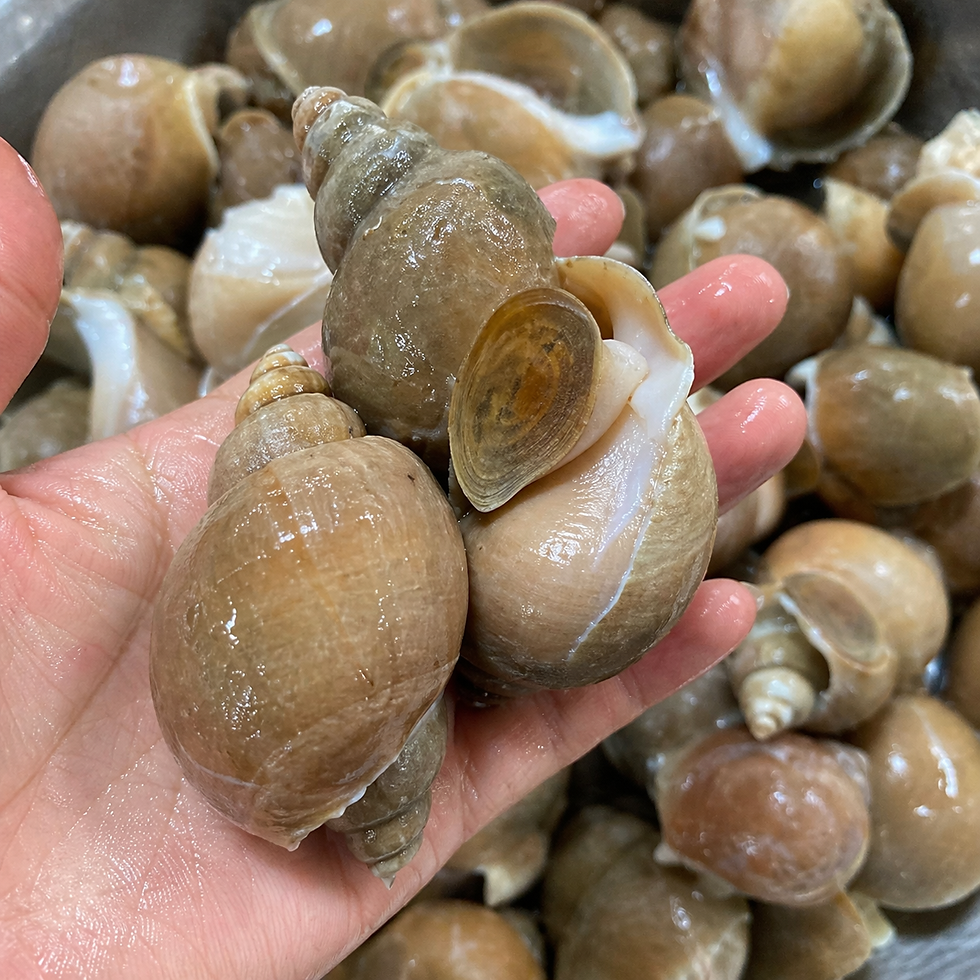
What golbaengi actually is
Golbaengi usually refers to canned Korean sea snail, often sold as bai top shell or whelk.
The first thing to understand is the texture.
It is chewy in a real way. Not soft like tuna. Not flaky like fish. Not delicate like shrimp. It has a firm bite, a little spring, and enough briny depth that it starts making sense once it is dressed properly and given the right contrast.

That is why people tend to either like golbaengi quickly or need a second try.
If you treat it like a mild canned seafood and expect it to do all the work by itself, it can feel awkward. If you treat it like an ingredient that wants crunch, heat, acid, and something steady underneath it, it gets much easier to love.
The classic move: golbaengi muchim with noodles
This is still the easiest place to start because it explains the ingredient fast.
Golbaengi muchim works because the chewy sea snail gets tossed with a spicy-sour-sweet dressing and a lot of crisp vegetables. Cucumber, onion, sometimes carrot, sometimes lettuce or cabbage, plus a gochujang-based sauce that gives everything some lift.
Then you add noodles.
That is what turns it from bar-food energy into something that actually feels like dinner.
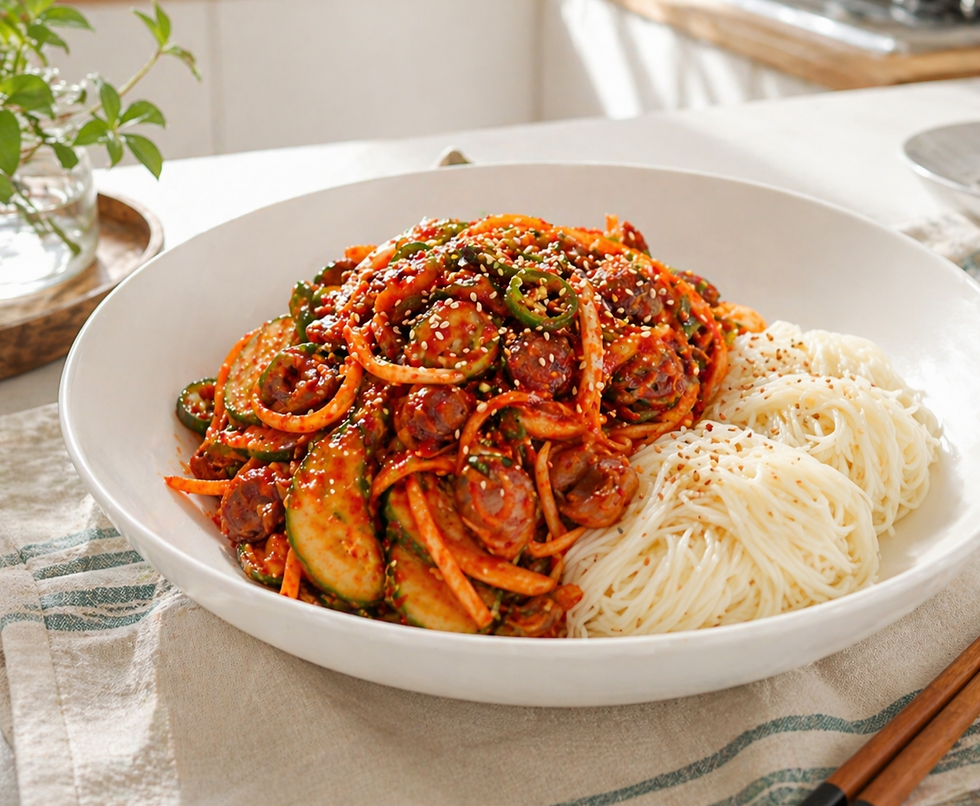
A thin noodle like Gompyo Thin Wheat Flour Noodles Somyeon makes a lot of sense here because golbaengi already brings the chew. The noodle should bring softness and slurp, not another heavy texture to fight through.
For the golbaengi itself, Haioreum Bai Top Shell fits this lane well. It is the kind of pantry buy that makes the classic spicy noodle version easy enough to do on a normal weeknight.
Rice is the easiest everyday answer
Noodles are the classic move, but rice may be the easiest way to live with golbaengi more often.
Rice calms the chew down in the best way. The briny bite feels less sharp, the dressing feels less aggressive, and the whole thing starts reading like a proper lunch instead of a drinking snack that wandered onto the table.

A simple bowl goes a long way here.
Warm rice, chopped golbaengi, cucumber or lettuce, a little sesame oil, maybe cho-gochujang or plain gochujang, maybe gim, maybe kimchi on the side. That is already enough to make sense.
This is where Yudong Bai Top Shell works well as a pantry meal ingredient. It is easy to picture over rice because the chew and briny flavor still hold their shape even when everything else stays simple.
The bowl gets better when something crisp is doing real work
Golbaengi can feel tiring fast if everything around it is soft or chewy too.
That is why cucumber, onion, lettuce, perilla leaves, cabbage, or even a cold pile of shredded vegetables matter more than people expect. They break up the bite. They freshen the seafood. They keep the bowl from getting heavy in the mouth.
This is especially true in warm weather.
Golbaengi is one of those ingredients that comes alive when the meal stays cold, sharp, and a little punchy. Once the vegetables are doing their job, the chew feels a lot more intentional.
The easiest low-effort meal is still a pantry bowl
Not every golbaengi meal needs to look like a recipe.
Sometimes the smartest move is just building one good bowl around the can.
Rice or noodles on the bottom. Golbaengi on top. Cucumber or lettuce. A little sesame oil. Something spicy or vinegary. Maybe roasted seaweed. Maybe kimchi. That is enough to turn it into a lunch you planned on purpose instead of something you assembled while staring into the pantry.
That is also why golbaengi is worth keeping around. It already gives you the protein and chew. The rest is mostly bowl-building.

If you want a variation, mixed shellfish works well too
Golbaengi does not need help to work, but it does play well with other shellfish textures.
That is where something like Yudong Kkomak & Bai Top Shell can be fun. Not because golbaengi needs to be softened or hidden. Just because a mixed-shellfish bowl gives you a slightly more layered seafood feel, especially in a spicy salad with vegetables and noodles.
Think of this as a variation once the basic golbaengi bowl already makes sense to you.
It is not the first move. It is just a good extra one.
What usually makes golbaengi meals fall flat
Usually it is not the golbaengi.
It is everything missing around it.
Too much chew and the bowl gets tiring. Too little acid and it tastes dull. Too little crunch and the texture starts doing too much of the work. No real base under it and it still feels like a side dish.
The best golbaengi meals usually have three things working together:
something chewy and briny
something crisp and fresh
something that makes it a meal, usually noodles or rice
Once those are in place, the ingredient stops feeling niche and starts feeling useful.
Which setup should you try first?
If you want the most classic Korean answer, start with spicy golbaengi muchim and somyeon.
If you want the easiest everyday lunch, start with a rice bowl.
If you want something lighter and sharper, go heavier on lettuce and cucumber and keep the base smaller.
That is usually enough to figure out pretty quickly whether golbaengi belongs in your regular pantry.
👉 Browse our [Canned Foods Category] for more options.
Why golbaengi is worth keeping around
Because once you know how to use it, it solves a very specific meal problem.
It gives you a fast protein with real bite. It can go cold. It can go spicy. It can go over noodles or rice without much work. And it makes a pantry meal feel more distinct than tuna usually does.
Golbaengi is not trying to be universally lovable. It is trying to be chewy, briny, useful, and very satisfying when the bowl around it makes sense.
Related posts to read next
FAQ
What is golbaengi in Korean food?
Golbaengi usually means canned Korean sea snail or whelk, often sold as bai top shell. It is known for its firm chewy texture and briny flavor.
What is the most common way to eat golbaengi?
One of the most common ways is golbaengi muchim, a spicy mixed dish with vegetables and often somyeon noodles.
Can you eat golbaengi with rice instead of noodles?
Yes. Rice works very well with golbaengi, especially when you add a little sesame oil, cucumber, seaweed, or a spicy dressing to round out the bowl.
What does golbaengi taste like?
It tastes briny, savory, and mildly oceanic, but the texture is usually the first thing people notice. It is firm and chewy rather than soft.
Why does golbaengi sometimes feel hard to use?
Usually because it needs contrast. If the bowl does not have enough crunch, acid, heat, or a real base like noodles or rice, the texture can feel awkward instead of satisfying.
What noodles go best with golbaengi?
Thin noodles like somyeon usually work best because they keep the bowl light and let the golbaengi stay the main chewy element.
Is golbaengi beginner-friendly?
It can be, especially in a spicy noodle salad or rice bowl where the dressing and vegetables help the texture make sense faster.


Comments