
.png)
Mandu Guide for Beginners: Which Korean Dumplings Work Best for Soup, Steaming, or Pan-Frying?

Updated: May 18

A freezer full of mandu sounds simple until you actually have to choose a bag.
Then suddenly every dumpling starts looking like it might be the right one. Pork and vegetable. Kimchi. Shrimp. Big mandu. Small mandu. Thin wrapper. Thick wrapper. Soup dumplings. Pan-fry dumplings. Some look like they want broth. Some look like they want a crisp bottom and a dipping sauce. Some look like they should stay soft and juicy all the way through.
That is usually where beginners get stuck. Not because mandu is confusing once you eat it, but because the bag does not always tell you what the best bite is supposed to be.
The easiest way to understand Korean dumplings is to think less about the label first and more about what you want dinner to feel like. A dumpling in soup should melt into the bowl a little. A steamed dumpling should feel full and juicy. A pan-fried dumpling should reward you with crisp edges and hot filling. Once you start there, the freezer case gets a lot easier.
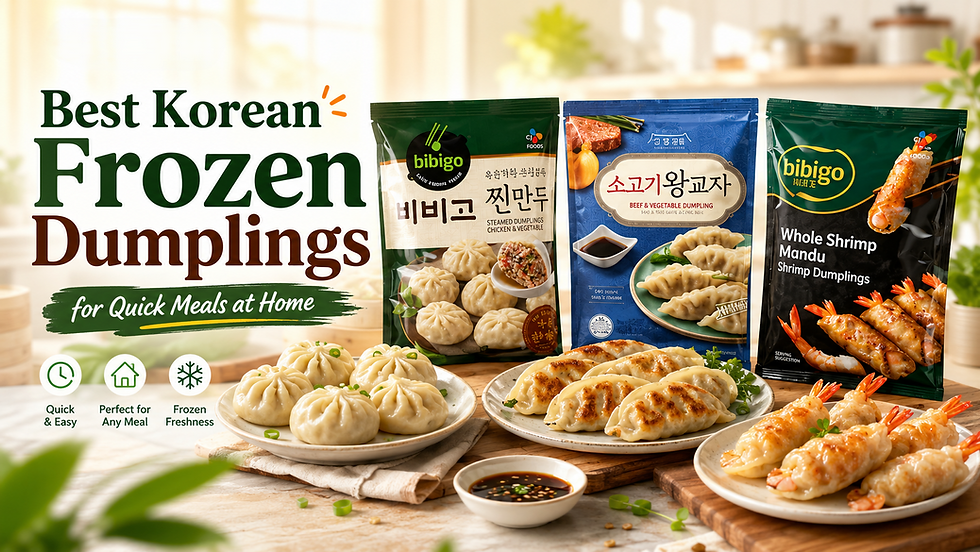
👉 If you want a shopping list instead of only cooking-method advice, start with our guide to the best Korean frozen dumplings.
TL;DR
For most beginners, the best first buy is classic pork and vegetable mandu because it works well in soup, steaming, and pan-frying. If your main goal is soup, choose smaller or medium mandu with a tender wrapper and a cleaner filling. If you want the softest, juiciest dumplings, steaming is usually best, especially for larger mandu. If you want the most texture and the most instantly craveable result, pan-frying is hard to beat, especially with thin-wrap mandu or kimchi mandu.
Why the Same Mandu Can Feel Completely Different Depending on How You Cook It
A dumpling can have a great filling and still feel wrong if it lands in the wrong kind of meal.
A soft wrapper that feels perfect when steamed can turn heavy if it spends too long in broth. A thicker dumpling that tastes rich and satisfying on a steamer tray might not give you the crispness you want in a skillet. A kimchi filling that tastes bright and exciting with a browned bottom can come across louder than expected in a light soup.
That is the part a lot of beginners do not realize yet. Korean dumplings are not just about flavor. They are about wrapper, size, filling, and what happens to all of that once heat hits it.
A bowl of mandu-guk wants a dumpling that can soften into the broth without making the whole meal feel too dense. A steamer wants a dumpling that can stay plump and juicy. A frying pan wants a dumpling that gets more interesting when the wrapper browns.
Once you understand that, buying mandu stops feeling like guessing and starts feeling more like choosing the kind of bite you want.
The One Mandu Most Beginners Should Start With
If you are standing in front of the freezer case with no strong preference yet, start with classic pork and vegetable mandu.
It is the easiest place to begin because it gives you a little room to learn. The filling is savory and familiar. The wrapper is usually balanced enough to handle more than one cooking method. It makes sense in soup, it steams well, and it still tastes good with a browned bottom from the pan.
That flexibility matters when you are new to mandu. You do not have to figure everything out at once. One bag can tell you a lot about what you like. Maybe you try it in broth first and realize you want something lighter for soup next time. Maybe you pan-fry it and decide crisp wrappers are the whole reason you are buying dumplings at all. Either way, it is a forgiving first step.
It is also the kind of dumpling that fits real life. Weeknight dinner, lazy lunch, quick soup, simple side dish, freezer meal with rice and kimchi. It slides into all of those pretty easily.
The Mandu That Feels Best in Soup
Soup changes a dumpling fast.
The wrapper softens. The filling gets gentler. The whole dumpling starts borrowing flavor from the broth around it. That is why the best Korean dumplings for soup are usually the ones that stay balanced once they settle into the bowl.
Smaller or medium mandu often work better here than the biggest ones. They feel easier to eat with a spoonful of broth and rice cake or sliced egg nearby. The bite stays clean. The soup still feels like soup instead of turning into one giant dumpling project.
This is where pork and vegetable mandu works especially well. Shrimp mandu also makes a lot of sense if you like a lighter, slightly cleaner filling. Both tend to feel good in broth because they do not overwhelm it. They soften nicely, they still hold together, and they do not make the bowl feel too thick.
A good soup mandu should feel like it belongs in the broth, not like it fell into it by accident. You want the wrapper tender, not doughy. You want the filling warm and savory, not so heavy that every bite drags the bowl down. When it works, the dumpling feels almost cushioned by the soup. Soft wrapper, hot center, clear broth around it, maybe scallions floating on top. That is a very different pleasure from a crispy mandu on a plate, but it is every bit as satisfying.
If your main goal is mandu-guk or an easy broth-based meal, buy the dumpling that looks a little gentler, not the one that looks biggest.
The Mandu That Makes the Most Sense for Steaming
Steaming is where a lot of mandu feels most generous.
There is no broth diluting anything and no pan trying to crisp the wrapper. The dumpling just gets hot all the way through and stays soft, plump, and juicy. That makes steaming one of the best ways to understand what a dumpling is really trying to taste like.
Bigger mandu does especially well here. The wrapper stays supple, the filling feels fuller, and the whole dumpling lands with a kind of comfort that feels more meal-like than snack-like. A plate of steamed mandu with dipping sauce, rice, and maybe one small side dish can already feel like dinner.
This is a great lane for jumbo pork mandu, shrimp mandu, and kimchi mandu if you want the filling to stay moist and expressive. Steaming lets you taste the dumpling in a rounder way. You notice the savory juices more. You notice how the wrapper stretches a little before it gives way. You notice the filling as filling, not just as something packed inside a crispy shell.
That is why people who love dumplings for their softness often end up preferring steamed mandu over anything else. It gives you the calmest, fullest version of the dumpling.
If what you want is the kind of bite that feels warm, juicy, and immediately comforting, steaming is probably where you should start.
The Mandu That Gets the Most Craveable in a Pan
Pan-fried mandu is usually the version that turns casual interest into an actual habit.
The best ones come out with a golden bottom, crisp edges, a tender upper wrapper, and a hot filling that still stays juicy inside. That contrast is the whole appeal. You hear it a little when you bite. You get the browned wrapper first, then the steam from the filling. It feels more alive than almost any other freezer food.
This is where thin-wrap mandu really shines. The wrapper can crisp up properly without turning thick or chewy, and the filling still gets plenty of space inside. Kimchi mandu also tends to do especially well in the pan because the tang and spice in the filling play so nicely against that crisp shell.
If soup mandu is about balance and steamed mandu is about fullness, pan-fried mandu is about texture. It is the version you want when dumplings sound more like a craving than a convenience. Dipping sauce helps, of course, but even plain from the pan, a good mandu can carry itself.
This is also the cooking method that makes frozen mandu feel the furthest from frozen. Browning adds aroma, gives the wrapper real character, and makes the whole thing feel like more than something you pulled from a bag.
How Filling Changes the Whole Experience
Cooking method matters, but filling changes the mood just as much.
Classic pork and vegetable mandu is the easiest all-rounder. It works when you want something familiar, savory, and flexible enough to handle almost any cooking method.
Kimchi mandu has more edge. The filling is sharper, tangier, and usually more assertive, which makes it especially good when you want the dumpling to stand out rather than blend into the meal. That is part of why it feels so good pan-fried and why it can also work beautifully steamed if you like a bolder dumpling.
Shrimp mandu tends to feel lighter and cleaner. It is often a strong choice for soup or steaming because the flavor stays a little more delicate and the whole bite feels less heavy than pork-based mandu.
There is no single best filling. There is just the one that fits the meal in front of you. A brothy bowl wants one kind of energy. A crispy plate wants another. A soft steamed dumpling on a cold evening wants something else entirely.
How to Choose the Right Mandu for the Meal You Actually Want
The easiest way to choose Korean dumplings is to picture the plate or bowl first.
If dinner is a clear broth, scallions, and a spoon, go with a smaller or medium dumpling that stays tender in soup.
If dinner is a steamer basket, dipping sauce, and a softer comfort-food mood, go with larger mandu that can stay juicy and feel substantial.
If dinner is a skillet, crisp bottoms, and a side of kimchi or chili crisp, go with thin-wrap mandu or a filling that gets even better when browned.
That is really how to choose Korean dumplings by wrapper and filling. Not by staring at every bag too long, but by deciding whether you want the dumpling to melt into broth, stay soft and full, or crisp up and steal the whole plate.
👉 Browse our [Instant & Quick Food category] for more options.
What Most Beginners End Up Doing Anyway
Once people figure mandu out, they usually stop looking for one perfect bag and start keeping two around.
One for soup or quick easy meals. One for pan-frying when texture is the whole point.
That is a smart move because mandu is one of those foods that changes a lot depending on how you cook it. A dumpling that feels perfect in broth is not always the one you want crisped in a skillet. A kimchi mandu you love browned and dipped might not be the one you want floating in a mild soup.
So if your first bag goes well, the next step is not necessarily upgrading. It is branching out. One dumpling for comfort. One for crunch. That is usually when mandu starts becoming something you keep around on purpose.
Related posts to read next
FAQ
What is mandu?
Mandu is the Korean word for dumplings. They can be filled with pork, vegetables, kimchi, shrimp, tofu, or other ingredients, and they can be cooked in broth, steamed, pan-fried, boiled, or air-fried depending on the style.
Which Korean dumplings are best for soup?
Smaller or medium mandu with a tender wrapper usually work best for soup. Pork and vegetable mandu or shrimp mandu are both good choices because they soften nicely in broth without making the bowl feel too heavy.
What kind of mandu is best for pan-frying?
Thin-wrap mandu is one of the best choices for pan-frying because the wrapper crisps up well without getting too thick. Kimchi mandu is also a great pick if you want a bolder filling with more tang and spice.
Are steamed mandu or pan-fried mandu better for beginners?
Steamed mandu is often the easier place to start if you want the softest, juiciest bite and the clearest sense of the filling. Pan-fried mandu is better if you already know texture matters more to you and you want crisp edges and a more snackable feel.
Which mandu filling is best for beginners?
Classic pork and vegetable mandu is usually the safest beginner choice because it is balanced, familiar, and flexible enough for soup, steaming, or pan-frying. It is the easiest all-around place to start.
Is kimchi mandu good for soup?
It can be, but it usually works better steamed or pan-fried if you want the kimchi flavor to stay bold. In a lighter broth, the tang and spice can feel stronger than some beginners expect.
Should I keep more than one type of mandu at home?
Yes. If you have freezer space, keeping one dumpling for soup and one dumpling for pan-frying makes the most sense. That gives you better options for different moods and makes mandu much more useful week to week.


Comments