
.png)
What Is Kimari? The Crispy Seaweed Roll Snack That Makes Tteokbokki Better
- MyFreshDash
- 4 days ago
- 7 min read


Tteokbokki is good on its own.
Kimmari is the reason it gets harder to stop eating.
A bowl of tteokbokki already has the chew, the heat, the sauce, the sweetness. What it often needs is something that breaks the softness. Something crisp enough to dip, crack open, and drag through the red sauce without turning the whole meal into one long chewy bite.
That is kimari.
It is the Korean fried seaweed roll that looks almost too simple to matter until it lands next to tteokbokki and suddenly becomes the thing you keep reaching for. The outside stays crisp. The seaweed adds a toasty edge. The glass noodles inside turn chewy in a different way from the rice cakes. And once that spicy sauce gets into the cracks, the whole snack starts tasting bigger than it first looked.
That is why kimari matters. Not just as a fried snack, but as one of the smartest texture partners Korean street food has.
TL;DR
Kimari, often written gimmari, is a Korean fried seaweed roll usually filled with glass noodles and seasonings, then coated and fried until crisp. It is popular as a street snack, but it really shines next to tteokbokki because it adds crackly texture and a toasty seaweed note to a meal that is otherwise very soft and sauce-heavy. If you like tteokbokki but want the bowl to feel more complete and more snackable, kimari is one of the best things to add.
What kimari actually is
Kimari or often called kimmari is a Korean fried roll made by wrapping seasoned glass noodles, usually dangmyeon, in seaweed, then coating and frying the rolls until the outside turns crisp.
That is the simple version, but the useful version is this: kimari is the crunchy sidekick Korean street food keeps putting next to saucier, softer foods for a reason.

On its own, kimari is already a good snack. It gives you crisp coating, a little chew from the noodles, and that toasted seaweed flavor that makes fried food feel more interesting than just batter. But it becomes much easier to understand once it is served the way a lot of people actually eat it: beside tteokbokki, ready to dip.
If you want the easiest freezer version of that experience, CJ Crispy Seaweed Rolls Hot & Spicy is a very natural fit because it already leans into the spicy street-snack mood kimari is best known for. It makes the category click fast.
Why kimari is so good with tteokbokki
Kimari works with tteokbokki because the two foods solve each other’s texture problem.
Tteokbokki is glossy, chewy, soft, and sauce-heavy. That is the whole appeal. But a full bowl can start feeling one-note if every bite stays in that same soft-chewy register.
Kimari breaks that up.
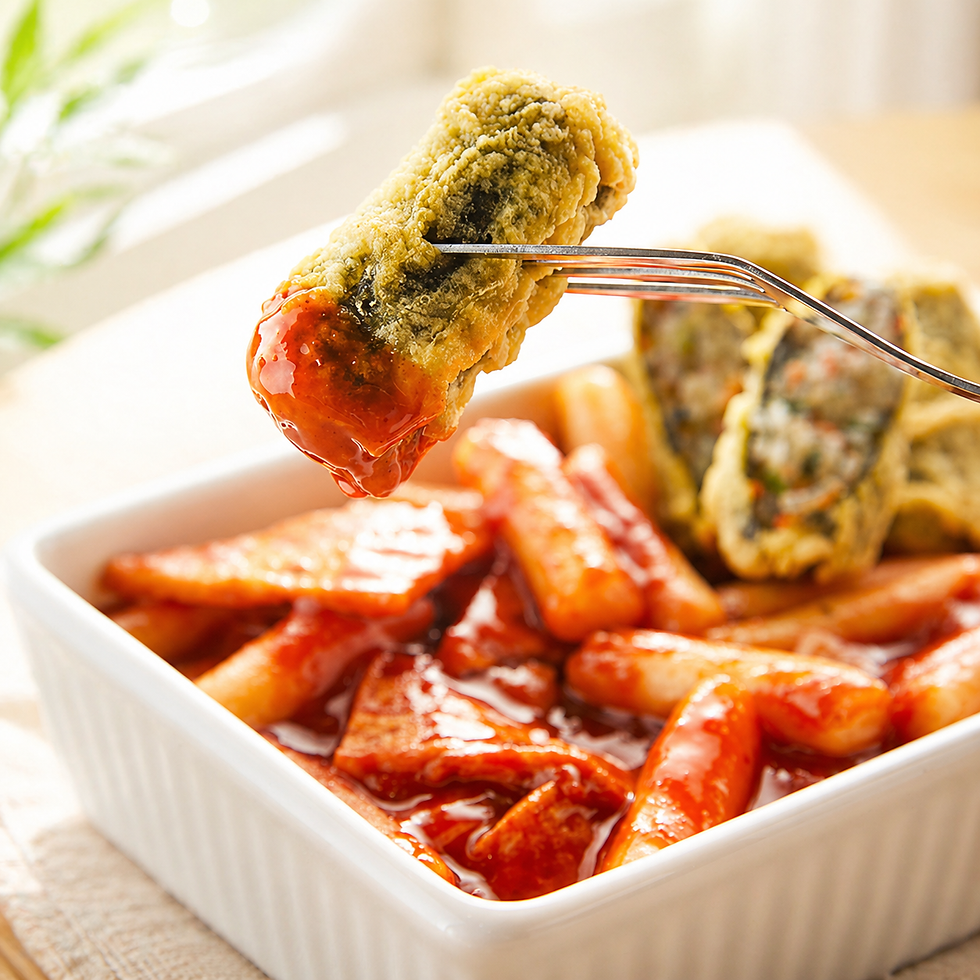
The coating cracks. The seaweed brings a drier, toastier note. The noodles inside are chewy, but not in the same dense way the rice cakes are. And once the red sauce hits the kimari, you get the best part of both foods at once: crunch on the way in, spice and sweetness right after.
That is why kimari does more than just sit beside tteokbokki as an optional extra. It changes the whole rhythm of eating it.
What kimari tastes like on its own
On its own, kimari tastes more savory and toasty than people sometimes expect.
It is not bold in the same way tteokbokki is bold. The filling is usually mild compared with the foods it gets served next to. Most of the appeal comes from the texture contrast and the seaweed flavor.
The outside is crisp. The seaweed gives a slightly briny, roasted edge. The glass noodles inside are soft-chewy and help the roll feel more substantial than a hollow fried shell. That is why kimari can work as a snack even without a dipping sauce.
Still, it becomes much more memorable once it meets something stronger, which is why the tteokbokki pairing keeps showing up.
The filling matters less than the texture payoff
People sometimes assume kimari is all about what is inside.
It is not, at least not in the way dumplings or stuffed pancakes are.
The filling matters, but kimari is really a texture food. The noodles give the roll body. The seaweed gives it character. The frying gives it its reason to exist. That is why even a fairly simple filling can still feel satisfying. The snack is less about complexity and more about that contrast between crisp shell, seaweed snap, and soft noodle center.
That is also why kimari makes sense with sauce-heavy food. It already knows its role. It is there to add structure.
Kimari is one of the smartest things to add when tteokbokki feels too soft
This is the real reader question behind the pairing.
What do you add when tteokbokki tastes good but the bowl still feels like it needs something?
A lot of the time, the answer is not more sauce or more cheese.
It is crunch.

Kimari gives you that without pulling the meal in a completely different direction. It still belongs to the same Korean street-food mood. It still makes sense beside chewy rice cakes and spicy sauce. It just makes the whole thing more interesting to eat.
That is also why a product like Ktown Tteokbokki Rice Cakes pairs naturally with kimari if you are building the combo at home from scratch. The rice cakes bring the classic chew and sauce-holding texture, while kimari covers the crunchy side of the meal.
Is kimari always served with tteokbokki?
No, but that is the pairing that helps most people understand why it keeps showing up.
Kimari can be eaten by itself, packed into a snack spread, or served with other fried street foods. It works as the kind of side you pull from the freezer when you want something crisp without needing a full separate dish.
But if someone asks why kimari matters in Korean food, “because it makes tteokbokki better” is honestly one of the clearest answers.
That pairing explains the whole logic fast.
How kimari feels different from other Korean fried snacks
Kimari is not as obviously rich as a corn dog.
It is not as meaty as fried dumplings.
It is not as cheesy or dramatic as street snacks built around mozzarella.
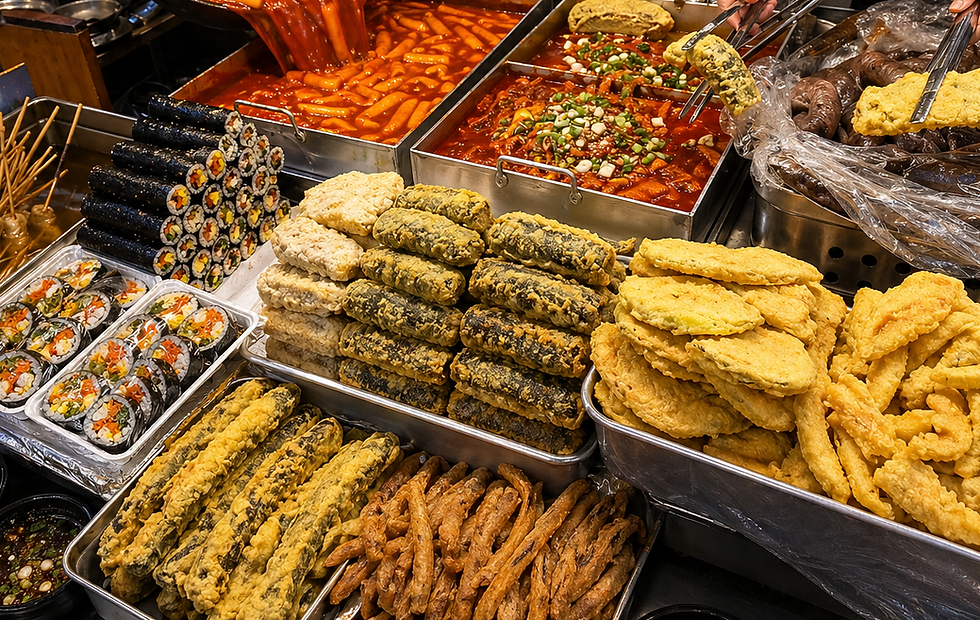
It is lighter in spirit than those, even when it is fully fried. The seaweed and noodle filling keep it from feeling too heavy, and the shape makes it especially easy to dip, snack, and eat alongside something else instead of treating it as the whole event.
That is why it works so well in the Korean street-food ecosystem. It plays support beautifully.
Why kimari is such a good beginner street-food snack
Kimari is one of the easier Korean fried snacks for beginners because the payoff is immediate.
You do not need a long explanation to understand what it is doing. It is crunchy, savory, dippable, and especially satisfying if you already like seaweed, noodles, or fried snacks with some texture contrast.
It is also less intimidating than some Korean street foods that hinge on unfamiliar fillings or very strong sauces. Even if the flavor itself is fairly simple, the structure of the snack makes sense fast.
That is a big reason it works well as a first freezer add-on if you are already buying tteokbokki or building a Korean snack meal at home.
What to eat with kimari besides tteokbokki
Tteokbokki is the obvious answer, but it is not the only one.
Kimari also makes sense with:
fish cake soup
dumplings
fried rice or convenience-meal bowls that need something crisp
a mixed Korean street-snack spread
a light dipping sauce when you want kimari to stand on its own
Still, the reason most people keep coming back to kimari is that it performs best in meals that already have some softness or sauce for it to push against.
That is where it feels most complete.
Why kimari keeps getting rebought
Kimari is one of those foods that gets rebought because it solves the same small problem over and over.
A meal is tasty, but too soft.
A tteokbokki bowl is fun, but needs one more texture.
A freezer meal sounds good, but needs something that feels snackier and more deliberate.
Kimari keeps answering those situations well.
That is what makes it more useful than it first looks. It is not just a fried roll. It is a crunch tool for meals that already have flavor and need shape.
👉 Browse our [Instant & Quick Food category] for more options.
Final bite
Kimari is the crispy Korean seaweed roll that makes tteokbokki feel more complete, more snackable, and much harder to stop eating.
On its own, it is already a very good fried snack.
Next to tteokbokki, it makes perfect sense.
That is why it matters.
Not because the filling is complicated.
Because the crunch shows up exactly where the meal needed it.
Related posts to read next
Korean Rice Cake Guide: Which Tteok Works Best for Soup, Tteokbokki, Grilling, and Dessert
How to Build a Korean Convenience Meal That Actually Feels Like Dinner
Best Korean Frozen Hot Dogs and Street Snacks to Keep in the Freezer
What Is Tteokbokki? The Korean Rice Cake Dish That Balances Chew, Heat, and Comfort
FAQ
What is kimari made of?
Kimari is usually made from seasoned glass noodles wrapped in seaweed, then coated and fried until crisp.
Is kimari the same as gimmari?
Yes. Kimari and gimmari usually refer to the same Korean fried seaweed roll snack, just spelled differently in English.
Why is kimari served with tteokbokki?
Because the textures work extremely well together. Tteokbokki is soft, chewy, and sauce-heavy, while kimari adds crunch, seaweed flavor, and a different kind of chew.
Does kimari taste spicy?
Not always. The roll itself can be fairly mild. A lot of the spicy kick comes from the tteokbokki or dipping sauce served with it.
Is kimari a side dish or a snack?
Usually more of a snack or street-food side than a standard rice-table banchan. It often works best alongside another dish.
Can you eat kimari without tteokbokki?
Yes. It is still good on its own, especially as a fried snack or part of a mixed snack spread.
What is the easiest way to try kimari at home?
A frozen kimari product is usually the easiest first try, especially if you serve it with tteokbokki or another saucy Korean snack so the texture contrast makes immediate sense.


Comments