
.png)
What to Buy for Easy Bibimbap at Home: The Shortcuts That Actually Matter


Bibimbap keeps getting turned into an event.
That is the first problem.
People start thinking about six vegetables, marinated beef, perfect little sections, maybe a stone bowl (dolsot), maybe a trip to buy one missing thing, and suddenly the whole meal drifts out of weeknight territory. It stops being rice with smart, flavorful shortcuts and starts becoming a version of dinner that only happens when you are feeling unusually organized.
That is not the bibimbap that saves a Wednesday.
The easy version is much less dramatic. Hot rice. A sauce that actually pulls the bowl together. One protein that does not require a whole evening. One or two toppings with enough personality to matter once everything gets mixed. Sesame oil at the end.
That is the bowl.
Not the prettiest one. Not the most traditional one. The one that actually gets made.
TL;DR
Easy bibimbap at home works when you buy the parts that remove friction, not the parts that make the bowl look more impressive.
The shortcuts that matter most are microwaveable rice, a real bibimbap-style sauce, one fast protein or egg, one or two toppings with actual flavor, and sesame oil for the finish.
What matters less than people think: a stone bowl, a long topping list, and making every namul from scratch.
If weeknight bibimbap keeps turning into a nice idea instead of dinner, buy fewer things and make each one do more.
Bibimbap gets easier the second you stop trying to make all the little piles
This is where a lot of home bibimbap goes sideways.
People assume the bowl needs variety first, so they start building a lineup. Spinach. Carrots. Bean sprouts. Zucchini. Mushrooms. Beef. Egg. Sauce. Suddenly rice is the only easy part left, and even that still has to get cooked.
The better way to think about bibimbap at home is simpler.
You do not need more components. You need enough contrast for the bowl to feel alive once it gets mixed.
That usually means one earthy or savory topping, one protein or egg, one sauce that already knows where the bowl is going, and hot rice that did not take half your patience with it.
The bowl does not need to look busy. It needs to taste finished.
If the rice is handled, bibimbap is already halfway done
The biggest lie people tell themselves about easy bibimbap is that the toppings are the hard part.
Usually it is the rice.
Once the rice becomes a twenty-minute decision, everything else starts feeling less worth it. That is why microwaveable rice matters so much more here than people like to admit. Bibimbap is assembly food. If the base is hot and ready, the rest of the bowl starts making sense fast.
That is exactly why CJ Hetbahn Cooked White Rice is the kind of shortcut that actually changes whether bibimbap happens on a tired night. It is not glamorous. It is just doing the part that has to go right.
If you have ever wondered why instant rice makes so many Korean home meals suddenly more realistic, How to Turn Instant Rice Into a More Complete Korean Meal is the most useful side read here.
The sauce matters more than the fourth topping
This is the shortcut people underestimate most.
A lot of homemade bibimbap disappoints for one specific reason: the bowl has ingredients, but it does not yet have direction.
That usually happens when the finish is just plain gochujang spooned over the top. Gochujang is important, but straight from the tub it can sit on the bowl instead of pulling the bowl together. It brings heat and concentration, but not always enough looseness, sweetness, or balance for a simple weeknight bibimbap.
That is why a bibimbap-style sauce matters so much. It does not just add spice. It makes the bowl make sense.
Paldo Bibimjang Sauce Tube is exactly the kind of shortcut that earns its place because it saves the most failure-prone part of easy bibimbap. Once the sauce tastes right, the bowl can get away with being a lot simpler everywhere else.
One topping with identity beats four forgettable ones
This is where weeknight bibimbap gets better fast.
You do not need a rainbow. You need one topping that changes the mood of the bowl.
Something earthy. Something deeply savory. Something that makes the whole bowl feel more Korean than “hot rice wearing vegetables.” Once that one topping is in place, the bowl stops feeling like leftovers stacked over rice and starts feeling like bibimbap.
That is why Muchigo Korean Mountain Village Thistle is a better shortcut than chasing five separate quick vegetables on the same night. Gondrae gives the bowl identity fast. It tastes like you meant to make bibimbap, not like you were trying to clear out the produce drawer.
If you want the fastest possible version of this whole idea, Easy 10-Minute Recipe Spicy Tuna Bibimbap (고추참치 비빔밥) shows how little it really takes once the bowl has rice, sauce, and one topping that matters.
Protein should not require a mood
Bibimbap absolutely works with just a fried egg, and some nights that is the smartest possible move.
But if you want the bowl to feel a little more anchored, the useful shortcut is not “buy more ingredients.” It is “buy protein that does not ask you to become ambitious first.”
This is where people lose weeknight bibimbap to their own good intentions. Raw meat sounds reasonable in the store. Then dinner shows up, marinating suddenly feels like a personality trait, and the bowl gets pushed to another day.
That is why Ktown Beef Bulgogi (Partially Cooked) makes more sense here than a full from-scratch bulgogi plan. It gives the bowl that sweet-savory, dinner-like center without turning the meal into a project first.
The real shortcut test is simple: does this protein help bibimbap happen tonight, or does it just make tomorrow’s plan sound nicer?
The bowl does not need a stone pot. It needs a finish
The stone bowl gets a lot of attention because it looks like seriousness.
And yes, dolsot bibimbap is great when crispy rice is the whole point. But that is a different mission from easy bibimbap at home.
On an ordinary night, a stone bowl matters far less than a good finishing touch.
That is where sesame oil comes in. It is the thing that makes the bowl smell right the second you stir. It softens the sharper edges, rounds out the sauce, and gives the whole bowl that nutty lift that people often mistake for “restaurant flavor” when it is really just the finish being there.
A bottle like OTOKI Premium Roasted Sesame Oil does more for a weeknight bibimbap than a special bowl usually does. The last drizzle matters more than the fifth topping.
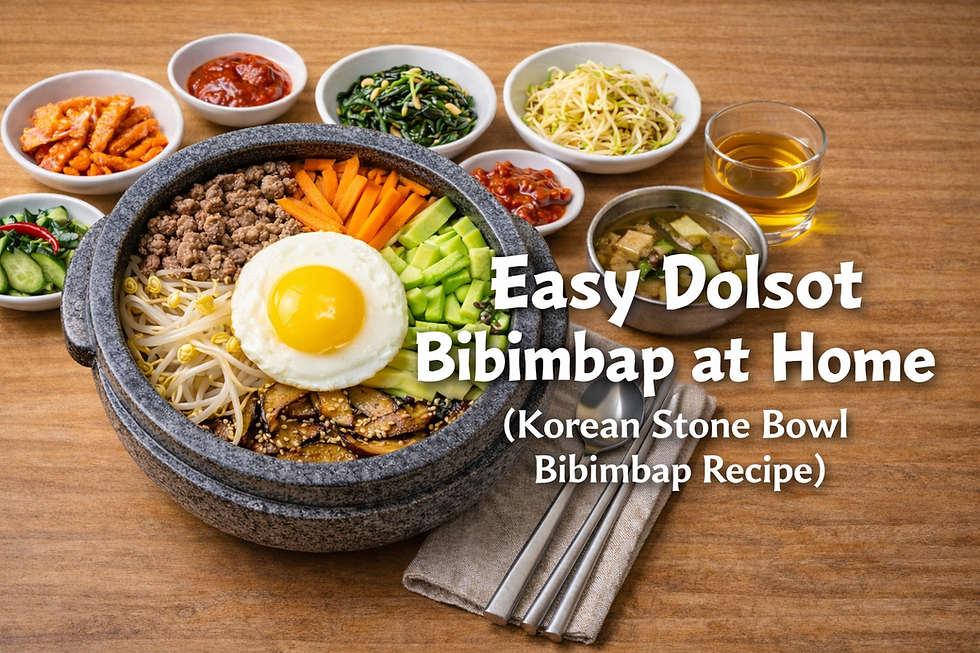
If crispy rice is the part you actually crave, that is the point where Easy Dolsot Bibimbap at Home (Korean Stone Bowl Bibimbap Recipe) becomes the better lane. But that is a different goal from making bibimbap easy enough to happen regularly.
👉 Browse our [Korean Recipes] for more options.
What to stop buying for “easy” bibimbap
This is the part worth saying plainly.
Stop buying bibimbap like the goal is to recreate the full restaurant tray every time.
Stop buying extra vegetables just because the bowl looks bare without them.
Stop assuming the stone bowl is the thing standing between you and a satisfying bibimbap.
Stop treating symmetry like flavor.
The shortcuts that matter are the ones that keep the bowl from falling apart on a tired night.
Rice that is handled.
Sauce with direction.
A protein that does not need a whole new mood.
One topping with real identity.
Sesame oil at the end.
That is enough for bibimbap to taste like bibimbap.
And more importantly, that is enough for it to actually get made.
Related posts to read next
FAQ
What is the most important shortcut for easy bibimbap at home?
Hot rice is the first one. Once the rice is easy and ready, bibimbap stops feeling like a project and starts feeling like assembly. After that, the biggest shortcut is a sauce that already tastes like bibimbap.
Do I need a stone bowl to make good bibimbap?
No. A stone bowl matters if crispy rice is the part you specifically want. For easy weeknight bibimbap, it matters far less than hot rice, balanced sauce, and one topping that actually changes the bowl.
Is plain gochujang enough for bibimbap?
It can work, but it is often not the best shortcut for a simple bowl. Straight gochujang can taste too concentrated on its own, while a bibimbap-style sauce usually helps the whole bowl come together faster.
What protein makes bibimbap easiest on a busy night?
A fried egg is the easiest. If you want something more substantial, partially cooked bulgogi or another fast protein shortcut usually helps more than adding extra vegetables.
How many toppings do I actually need for bibimbap?
Usually fewer than you think. One or two toppings with real flavor and contrast matter more than trying to recreate six little restaurant-style piles.
What topping shortcut makes bibimbap taste more intentional fast?
An earthy, savory topping like gondrae does that well because it gives the bowl identity quickly. It makes the bowl taste chosen, not just assembled.
What should I buy first if I want bibimbap to become a real weeknight meal?
Start with microwaveable rice, a bibimbap-friendly sauce, sesame oil, and eggs. Then add one strong topping or one easy protein shortcut so the bowl feels like dinner instead of just seasoned rice.


Comments