
.png)
Dashi Stock for Korean Soup: Dashima, Anchovy Stock, and Better Korean Broth Shortcuts

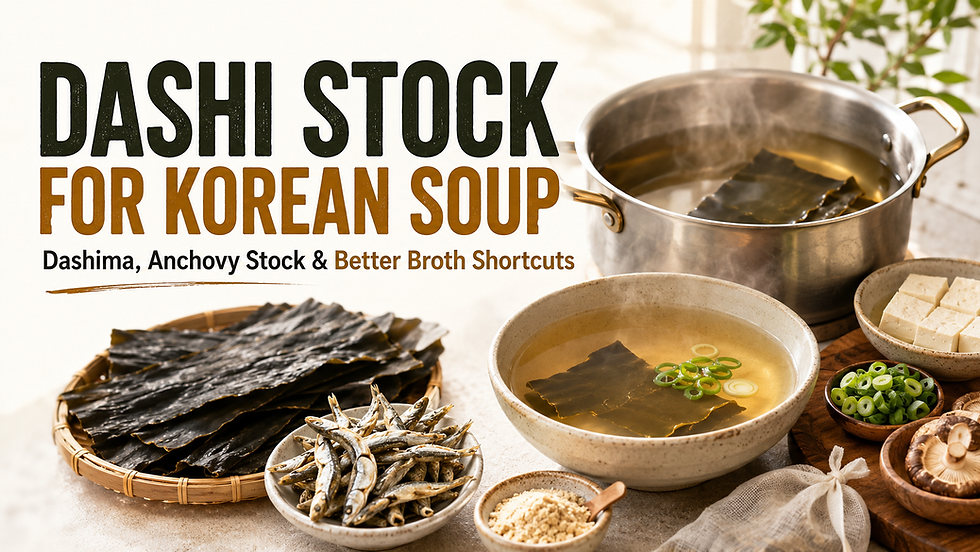
Mandu soup can look finished before it tastes finished. The dumplings are floating, scallions are bright, tofu is soft, maybe an egg has gone silky in the pot, and the broth still has that hollow taste. Salty, but thin. Hot, but not built.
That is why so many shoppers end up searching for dashi. They are not trying to memorize Japanese soup terms. They want the liquid under their noodles, dumplings, rice cakes, tofu, or fish cake to taste deeper without simmering a full pot of anchovies, kelp, radish, and aromatics from scratch.
For Korean soup, the best answer is often not a Japanese dashi product. It is the Korean version of the same shortcut idea: anchovy-kelp stock, dashima, stock bags, dried anchovies, or anchovy powder. Dashi is useful search language. Korean broth products are usually the better fit for the bowl.
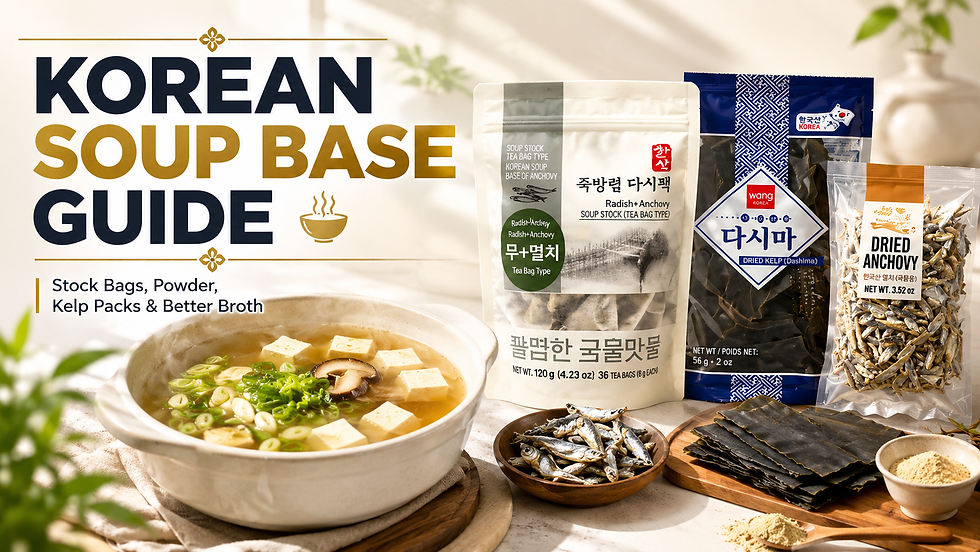
For the bigger Korean broth setup, use Korean Soup Base Guide: Stock Bags, Powder, Kelp Packs, and the Fastest Path to Better Broth. This guide stays focused on dashi, dashi stock, kombu dashi, instant dashi, and how to turn that search into a Korean soup shortcut that actually makes sense.
TL;DR
Dashi is a Japanese-style soup stock, but the problem it solves is familiar in Korean cooking: weak broth.
Dashi stock and dashi broth usually mean a savory soup base. For Korean soup, look first at Korean stock bags, dried kelp, dried anchovies, and Korean anchovy powder.
Kombu dashi maps closely to Korean dashima broth because both rely on kelp for quiet depth.
Instant dashi is fast, but Korean anchovy powder or Korean soup stock powder usually keeps Korean soups closer to the flavor they should have.
Best first-buy setup: one Korean stock bag for clean broth, one pack of dried kelp for depth, and one powder shortcut for nights when dinner is already late.
Dashi Is the Search Term. Korean Broth Is the Better Shortcut.
Dashi can mean several things. Sometimes it is kombu and bonito. Sometimes it is instant granules. Sometimes it is a concentrate with soy sauce, sweetness, and seasoning already built in. The flavor can be clean and subtle, or smoky and bonito-forward.
Korean soup has its own broth logic. Myeolchi and dashima, or dried anchovy and kelp, give soup a clean savory base that feels right under tteokguk, mandu-guk, eomuk-guk, sujebi, kalguksu, lighter guk, and everyday jjigae.
Japanese dashi is not wrong. It is just aimed at a different kitchen most of the time.
If you are making udon, soba, miso soup, or soy-dashi noodle broth, Japanese dashi products make sense. If you are making Korean soup and want the pot to taste less watery, Korean broth shortcuts usually give you the same convenience with a better flavor landing.
What the Dashi Terms Mean Before You Buy
The word dashi does not tell you enough by itself. Format matters more than the label.
Search term | What shoppers usually want | Korean-first buying move |
dashi | A fast savory broth base | Korean stock bags or anchovy-kelp stock |
dashi stock | Broth with umami depth | Dried anchovy, kelp, radish, or mushroom-based stock |
dashi broth | Ready soup liquid or simmered base | Korean soup stock packets or brewed anchovy-kelp broth |
kombu dashi | Kelp-based depth | Korean dashima or dried kelp |
instant dashi | Powdered speed | Korean anchovy powder or Korean soup stock powder |
This is the easiest way to avoid buying the wrong shortcut. If the soup should taste Korean, choose the Korean product family first. Use Japanese dashi when you want that specific flavor direction.
Stock Bags Are the Best First Buy for Korean Soup Shortcuts
Stock bags solve the most annoying broth problem without turning dinner into a project. You get brewed flavor, but you do not have loose anchovies drifting around the pot or a strainer waiting in the sink.
Hansang Radish & Anchovy Soup Stock is the clean everyday pick. Radish keeps the broth lighter and rounder, while anchovy gives it that quiet Korean seafood base. This is the kind of shortcut that helps mandu soup, rice cake soup, fish cake soup, tofu soup, and lighter guk stop tasting like seasoned water.
The convenience is close to instant dashi, but the flavor direction makes more sense for Korean soup. Use it when you want the broth to taste Korean first: clean, savory, lightly oceanic, and ready for scallions, garlic, dumplings, rice cakes, or tofu.
Kombu Dashi Lovers Should Look at Korean Kelp
Kombu dashi is probably the easiest dashi idea to translate into Korean cooking. Kombu and dashima are both kelp, and kelp has a very specific job in broth: it makes the liquid feel calmer and more complete without making it loud.
A soup can have garlic, soy sauce, scallions, and gochugaru and still feel narrow. Kelp fills out the middle. It gives broth a low, slightly mineral depth, the kind you notice less as a flavor and more as the absence of thinness.
Wang Dried Kelp is the better Korean pantry answer to kombu dashi because it stays flexible. Add a piece with dried anchovies. Add it with radish and onion. Use it in noodle broth. Let it support doenjang or soup soy sauce instead of competing with them.
Do not boil kelp hard for a long time. It can turn the broth dull and slightly slick. Give it enough time to release depth, then pull it before it starts taking over.
For a deeper pantry split, read Gim, Miyeok, and Kelp: Which Korean Seaweed Belongs in Your Pantry? That guide helps separate seaweed you eat from seaweed you use to build broth.
Shiitake-Anchovy Stock Is for a Rounder Bowl
Some soups need more than clean anchovy depth. They need a little more body at the back of the spoon.
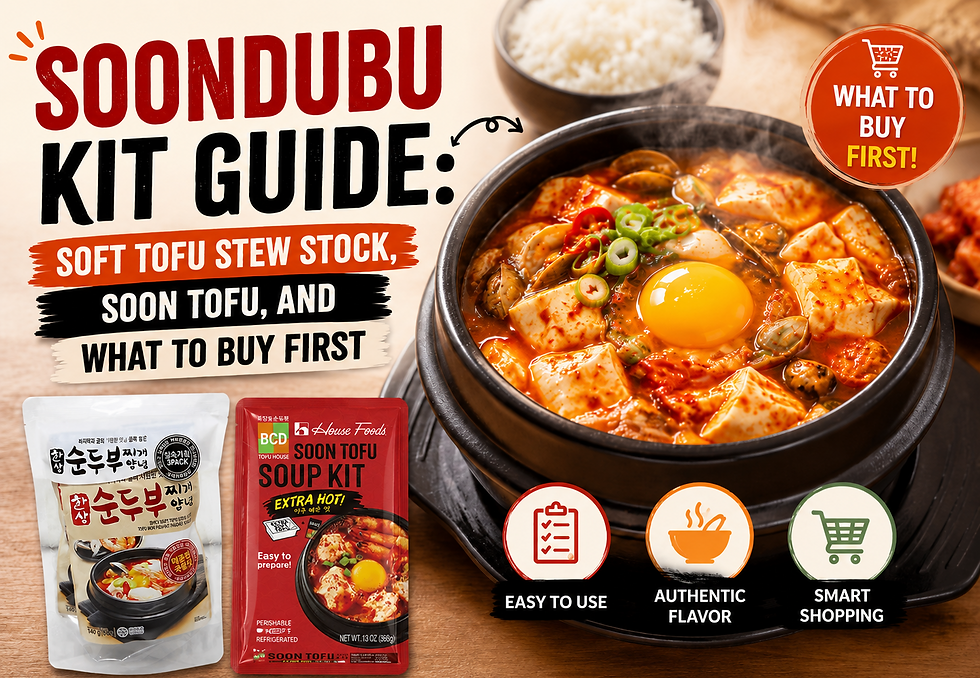
That is where Hansang Shiitake & Anchovy Soup Stock makes sense. Shiitake gives the broth a darker, rounder finish without making it heavy. It is useful for noodle soup, dumpling bowls, sundubu-style soup, and simple tofu soup that needs more presence but not more salt.
This is still a Korean broth shortcut, not a Japanese dashi product wearing a different label. It keeps the soup grounded in anchovy stock while adding mushroom depth where plain broth might feel too lean.
Korean Powder Is the Better Instant Dashi Alternative
Instant dashi is appealing because it works fast. No soaking. No simmering. No planning. The pot tastes weak, you stir in powder, and suddenly the broth has a center.
For Korean soup, Korean powder usually does that job better.
CJ Dasida Anchovy is the shortcut to keep for the nights when the soup is already on the stove and you need depth now. It works for quick noodle broth, fish cake soup, dumpling soup, light jjigae, pantry guk, and ramen upgrades that should still taste Korean.
Use it before final seasoning, not after. Powder brings salt and savory force, so add a little, let it dissolve, taste, then decide whether the soup still needs soup soy sauce, fish sauce, garlic, or gochugaru. If you season fully first and add powder late, the broth can turn sharp and salty before it turns satisfying.
For a cleaner comparison of speed versus stock flavor, read Dashida vs Anchovy Stock: Which Korean Soup Base Should Beginners Start With?
Dried Anchovies Are Still the Most Korean Long-Term Move
Stock bags and powder are practical. Dried anchovies are the habit that makes Korean soup feel more natural over time.
Tong Tong Bay Dasi Anchovy is for broth, not snacking. Pair it with kelp and you get the classic anchovy-kelp foundation behind tteokguk, mandu soup, sujebi, kalguksu, fish cake soup, radish soup, zucchini soup, and many lighter jjigae.
Good anchovy-kelp broth should not taste harsh or loudly fishy. It should taste clean, savory, and ready. The soup should feel like it started somewhere, not like everything was added straight to water.
For the cleanest result, simmer gently. Some cooks remove the heads and guts from larger anchovies for a cleaner taste, especially in clearer soups. Add kelp for roundness, and do not keep either ingredient boiling aggressively just to chase more flavor.
What to Buy First, Based on the Soup Problem
👉 The broth tastes salty but still thin
Buy a Korean stock bag first. Salt is not the missing piece. The pot needs brewed depth, and stock bags fix that with the least friction.
👉 The soup almost tastes right but feels flat in the middle
Buy dried kelp. This is the kombu dashi lesson translated into Korean cooking: kelp does not make the soup louder. It makes the liquid feel settled.
👉 Dinner is late and the pot needs help in one minute
Buy Korean anchovy powder. It is the instant dashi-style move that keeps the flavor closer to Korean soup.
👉 You want the most traditional Korean broth foundation
Buy dried anchovies and kelp. It takes a little more effort than powder, but the broth feels cleaner, lighter, and more built.
👉 You mainly cook Japanese noodles
Buy Japanese dashi products for udon, soba, miso soup, and soy-dashi broth. They are useful products, just not the first shopping path for Korean soup.
The Mistakes That Make Dashi Shortcuts Taste Wrong in Korean Soup
Buying a seasoned concentrate when you need plain broth is the first one. Some dashi-style bases already include soy sauce, salt, and sweetness. They can be great for noodles, but too specific for Korean soup.
Using bonito-heavy dashi in every Korean soup is another. Bonito can taste smoky and savory in a good way, but it can also pull mandu soup or tteokguk toward udon broth.
Skipping kelp is the quiet mistake. Kelp rarely steals attention, so it is easy to underestimate. Then you add it once and realize the broth needed depth, not more salt.
Adding powder after the soup is fully seasoned is the rushed-night mistake. Powder should help build the broth before you finish adjusting the bowl.
Buying only one format makes the pantry less useful. Stock bags, dried kelp, and powder do different jobs. One gives clean broth, one gives calm depth, one saves the late pot.
The Korean Shortcut Wins Because It Matches the Bowl
Dashi is a helpful word because it names the problem: better broth, faster.
For Korean soup, the best shopping answer usually starts with Korean products. Stock bags give you a cleaner brewed base. Dried kelp gives you the kombu dashi effect in a Korean pantry format. Korean anchovy powder gives you instant dashi-style speed without steering the soup away from its Korean flavor. Dried anchovies and kelp give you the classic foundation once you want more control.
Use dashi to understand the shortcut. Use Korean broth products to make the soup taste right.
Related Posts to Read Next
Korean Soup Base Guide: Stock Bags, Powder, Kelp Packs, and the Fastest Path to Better Broth
Dashida vs Anchovy Stock: Which Korean Soup Base Should Beginners Start With?
Gim, Miyeok, and Kelp: Which Korean Seaweed Belongs in Your Pantry?
Essential Korean Pantry Staples Beyond Sauce: Oils, Stock, Seaweed, and Seasonings to Keep at Home
Jjigae vs Guk vs Tang: What Korean Soup Names Actually Tell You About the Meal
FAQ
What is dashi?
Dashi is a savory soup stock most often associated with Japanese cooking. Shoppers usually search for it when they want broth to taste deeper, cleaner, and more complete without a long simmer.
Is dashi stock the same as dashi broth?
For most shopping purposes, yes. Dashi stock and dashi broth both point to a savory liquid base for soup, noodles, or simmered dishes. The format matters more: plain stock, powder, concentrate, or already-seasoned broth.
What is the Korean version of dashi?
The closest Korean version is usually anchovy-kelp stock made with dried anchovies and dashima. Korean stock bags and Korean anchovy powders are the shortcut versions for faster soup broth.
Is kombu dashi the same as Korean dashima broth?
They are very close in purpose because both rely on kelp. Kombu is the Japanese word, while dashima is the Korean kelp used in Korean broth. For Korean soup, Korean dried kelp is usually the better pantry fit.
Should I use instant dashi for Korean soup?
You can, especially in a rushed pot, but Korean anchovy powder or Korean soup stock powder is usually the better first choice. It gives you the speed people want from instant dashi while keeping the soup closer to Korean flavor.
What should I buy first for Korean soup broth?
Start with a Korean stock bag if you want the easiest clean broth. Add dried kelp if your soup often tastes flat. Keep Korean anchovy powder for nights when you need a fast fix.
Why does my soup still taste watery after I season it?
Seasoning can make soup salty, spicy, garlicky, or sharper, but it does not always build broth. Use a real base such as anchovy-kelp stock, a Korean stock bag, dried kelp, dried anchovies, or anchovy powder so the liquid has depth before final seasoning.

Comments