
.png)
Fast and Delicious: The Easy Korean Banchans You Can Make at Home


Dinner can be fully cooked and still feel like it needs help.
The rice is hot. The eggs are done. Maybe there is soup. Maybe there is grilled meat. And somehow the table still tastes flat.
That is the moment banchan fixes.
Not by turning dinner into a spread. Not by adding six more things to wash. Just by putting one cold, sharp, sesamey, garlicky, or sweet-savory side on the table fast enough that the meal wakes up before your patience disappears.
That is the home version worth caring about.
The easiest Korean banchan are not the ones that make the fridge look impressive. They are the ones you can season, blanch, or pan-finish before momentum dies. The side dishes that rescue an ordinary dinner before it starts tasting one-note.
That is why the best ones to learn first are usually simple. Cucumber muchim when the meal needs a cold slap of flavor. Spinach or bean sprout namul when dinner needs one calmer, sesame-oil side to settle everything down. Rolled egg when the table needs a little more substance. Anchovy banchan once your pantry is ready for it.
That is already enough to make a weeknight meal feel much more Korean and much less flat.
TL;DR
The easiest Korean banchans to make at home are the ones that do one job fast: add contrast, calm, or a little extra substance without dragging dinner into a long prep session.
The best ones to start with are oi muchim, one simple namul, gyeran mari, and later myeolchi bokkeum once your pantry has the right anchovies.
The shortcuts that matter most are sesame oil, one good Korean fish sauce or soup seasoning, and the discipline to make one or two sides well instead of trying to build a whole banchan lineup.
If you want banchan to become a real weeknight habit, start with the sides you can finish while the rice is still hot.
Fast banchan are the ones that change dinner before momentum dies
This is the easiest way to understand what belongs in the weeknight banchan category.
If the side dish takes so long that the rest of dinner starts cooling off, it is probably not your easy-home banchan.

The good fast ones move in one clean motion. Slice and season. Blanch and dress. Beat and roll. Quick pan, quick glaze, done.
That is why easy banchan feels so different from the way people imagine it. You are not building a miniature feast. You are changing the meal just enough that rice stops tasting lonely and soup stops tasting like it needs company.
One sharp side and one calm side is already a full home-cook strategy.
Oi muchim is the side dish you make when dinner tastes too beige
If I had to pick the banchan that most often saves an ordinary weeknight meal, it would probably be cucumber muchim.
It is fast, cheap, forgiving, and almost never the wrong call when the meal needs more life.
Slice the cucumber. Salt it briefly if you want to draw out some water. Toss it with gochugaru, garlic, sesame oil, a little vinegar, a little sweetness, and enough salt or fish sauce to make it land. That is basically the whole job.

What makes it so useful is not just that it is easy. It is that it fixes a specific dinner problem quickly. Rice and eggs taste better next to it. Fried food needs it. Grilled meat relaxes around it. Soup-and-rice dinners stop feeling sleepy once something cold and spicy is cutting through the middle.
The main mistake is overworking it. Oi muchim does not need to marinate forever or turn into something pickled. It just needs to taste awake.
That is why it is such a good first banchan. It teaches the right lesson early: a small side dish can do a lot of work fast.
Namul is what makes a meal feel more complete without making it feel heavier
A lot of home banchan power lives in this category.
Namul is where vegetables stop being “something green on the side” and start acting like real Korean side dishes. Usually that means one quick cook, good squeezing or draining, and seasoning that knows how to do more with less.

It is also one of the best weeknight categories because the vegetables do not need dramatic treatment. They just need enough garlic, sesame oil, salt, and depth to stop tasting unfinished.
That is why What Is Namul? The Korean Seasoned Vegetable Side Dish Category Beginners Should Know is such a useful read once you realize how many simple Korean sides are really just variations on this one beautiful idea.
Spinach namul is the quiet side that saves louder dinners
Spinach namul is one of those dishes that looks modest until it is missing.
Blanch the spinach briefly, squeeze out the water well, then season it with garlic, sesame oil, salt, and just enough soy sauce or soup seasoning to give it shape. The whole point is that it tastes gentle, but not blank.

This is the side that calms the table down. When dinner already has kimchi, soup, grilled meat, or something fried, spinach namul gives the meal a softer landing place. It lowers the volume without making the table feel dull.
That is why it keeps earning space in home meals. It asks very little, and then quietly improves everything else.
This is also where a bottle like CJ 100% Sesame Oil stops being a pantry extra and starts being the reason a simple vegetable side actually tastes finished.
Bean sprout namul is the one to make when you want more life in the bite
Bean sprout namul is even better for weeknights than people expect.
The technique is barely a technique. Blanch or steam the sprouts just until they lose the raw edge. Drain well. Toss with garlic, scallion if you want it, sesame oil, salt, and often a little fish sauce or soup seasoning for real depth.
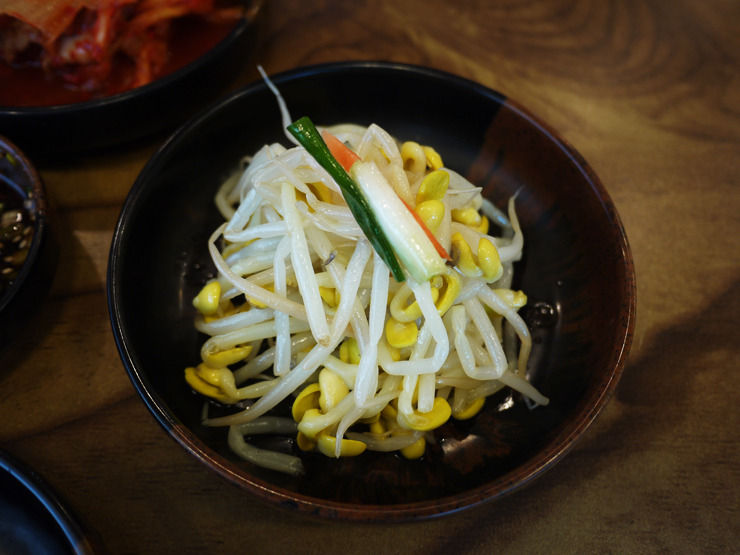
The reason it overperforms is texture. It stays lighter, springier, and a little more alert than spinach namul, so it is especially good next to heavier or richer food. It feels like the table gained air.
This is where a seasoning shortcut can matter a lot. Ha Sun Jung Sand Lance Extract is the kind of bottle that makes very simple vegetable banchan taste more Korean, more savory, and less like a well-intentioned side salad wearing sesame oil.
Gyeran mari makes dinner feel more complete than the effort really was
Rolled egg looks fussier than it is.
That scares people off too early.
At home, gyeran mari does not need to be lunchbox-pretty. It just needs to slice well enough and taste good next to rice.

Beat the eggs thoroughly. Keep the heat moderate. Roll patiently, not beautifully. Add a little scallion, onion, or carrot if you want, but do not crowd the pan trying to make it interesting. The point of gyeran mari is not complexity. It is soft, savory structure.
That is why it belongs in the fast-banchan conversation. It can act like a side dish, but it also makes the whole meal feel more real. Rice, kimchi, soup, and a few slices of egg roll already feels like someone thought dinner through.
It is one of the best weeknight banchan because the visual payoff is bigger than the actual effort.
Myeolchi bokkeum stops being hard the second the pantry is doing the work
This is the side people think is more advanced than it really is.
The technique is not the hard part. The pantry is.
Myeolchi bokkeum becomes weeknight-easy once you have the right anchovies in the house and stop expecting it to behave like a vegetable side. It is a quick sweet-savory rice side. It is supposed to be glossy, snacky, a little chewy, and extremely good at making plain rice suddenly worth finishing.

That is why the right anchovy matters so much. Tong Tong Bay Dried Anchovy (Stir Fry) is built for the eat-it lane, not the strain-it-out-for-broth lane. Once that part is solved, the rest is just a quick pan, a light glaze, and sesame at the end.
If you want the fuller feel of why this tiny side matters so much once it is actually on the table, Myeolchi Bokkeum: The Tiny Korean Anchovy Side Dish That Makes Plain Rice Worth Finishing is the best next read.
I still would not make this your first-ever banchan. But it is absolutely the kind of side that becomes a weeknight regular once your pantry catches up.
What actually makes banchan easy at home
It is usually not talent.
It is setup.
The home cooks who make banchan often are usually not doing something magical. They just keep a few things around that make quick seasoning feel automatic.
Sesame oil for finish and aroma.
A Korean fish sauce or soup seasoning for the kind of savory depth that keeps simple vegetables from tasting plain.
Rice already handled.
And maybe one pantry ingredient, like stir-fry anchovies, that can turn into a side without needing a grocery run.
The other thing that makes banchan easy is restraint. Two sides is plenty. Sometimes one is enough. Home banchan gets better the second you stop trying to make the table look like a restaurant set.
👉 Browse our [Kimchi, side dish & deli category] for more options.
What not to start with
Do not start by trying to make five banchan in one night.
Do not pick the side that needs a long simmer just because it looks impressive in a photo.
Do not assume every good Korean side dish is meant to hold for days in the fridge.
And do not write off simple banchan as boring. A well-seasoned bowl of spinach or bean sprouts does more for an ordinary meal than a more complicated side you only make once every three months.
If you only learn three first, make them oi muchim, one namul, and gyeran mari.
That gives you something sharp, something calm, and something with a little more substance. That is already a very good home-cook banchan rhythm.
Related posts to read next
What Is Banchan? The Korean Side Dish System Beginners Should Understand First
What Is Namul? The Korean Seasoned Vegetable Side Dish Category Beginners Should Know
Myeolchi Bokkeum: The Tiny Korean Anchovy Side Dish That Makes Plain Rice Worth Finishing
Korean Fish Sauce for Beginners: What It Tastes Like, How to Use It, and Which Bottle to Buy First
FAQ
What is the easiest Korean banchan to make at home?
Oi muchim is usually the easiest first banchan because it needs almost no cooking, tastes good quickly, and fixes a lot of weeknight dinner problems fast.
Which Korean banchan is best for beginners?
Cucumber muchim, spinach namul, bean sprout namul, and gyeran mari are some of the best first banchan because they teach the basic rhythm of Korean side dishes without asking for a long ingredient list or complicated technique.
Are namul side dishes actually quick to make?
Yes. That is one of the reasons they matter so much at home. A short blanch plus good seasoning is often enough to make a vegetable feel like a real side dish instead of an afterthought.
What seasoning makes easy banchan taste more Korean fast?
Sesame oil is the biggest one. After that, a Korean fish sauce or soup seasoning adds the kind of savory depth that makes simple vegetable banchan taste more complete.
Which easy Korean banchan works best with rice and eggs?
Spinach namul and bean sprout namul are especially good there because they make a simple rice-and-egg meal feel more rounded. Myeolchi bokkeum works too when you want something sweeter and more savory.
Do I need to make a lot of banchan at once?
No. For home meals, one or two well-chosen side dishes are usually enough. The table does not need to look crowded to feel complete.
Which Korean banchan keeps well in the fridge?
Myeolchi bokkeum usually keeps very well. Spinach and bean sprout namul can also hold up for a short stretch, while cucumber muchim is usually best earlier, when it still has its freshest bite.


Comments