
.png)
Korean Donkatsu Guide: Pork Cutlet, Sauce, and How It Differs From Japanese Tonkatsu


Korean donkatsu is crispy pork cutlet, but the plate matters almost as much as the cutlet.
You usually do not eat it as just a fried piece of pork. It comes sliced or served whole with sauce, rice, shredded cabbage, pickles, maybe kimchi, and sometimes curry. The outside should be crisp. The pork should stay tender. The sauce should make the plate feel finished without drowning the breading too quickly.
That is why Korean donkatsu feels familiar if you already know Japanese tonkatsu, but not exactly the same. The breaded pork cutlet connection is obvious. The Korean plate style, sauce habits, sides, and comfort-food mood make it its own thing.
For frozen cutlet options you can plate at home, start with Best Korean Frozen Katsu and Cutlet Products for Fast Crispy Meals at Home. This guide stays focused on Korean donkatsu as a food style: what it is, how the sauce works, what the plate usually includes, and how Korean donkatsu differs from Japanese tonkatsu.
TL;DR
Korean donkatsu is a Korean-style pork cutlet made with breaded pork that is fried until crisp and served with sauce, rice, cabbage salad, and sides.
It is related to Japanese tonkatsu, but Korean donkatsu often feels more like a full plate meal with sauce, rice, salad, pickles, kimchi, or curry.
Korean donkatsu sauce can be sweet, tangy, savory, brown, gravy-like, or tonkatsu-style depending on the restaurant or product.
Japanese tonkatsu usually emphasizes the pork cutlet, crisp coating, shredded cabbage, and tonkatsu sauce. Korean donkatsu often leans more into plate-style comfort.
A good Korean pork cutlet should have a crisp crust, tender pork, sauce that fits the breading, and sides that balance the fried richness.
The easiest home plate is pork cutlet, white rice, shredded cabbage, donkatsu sauce, pickles or kimchi, and maybe curry if you want a heavier meal.
Frozen katsu and cutlet products make sense when you want the plate experience without breading and frying pork from scratch.
What Is Korean Donkatsu?
Korean donkatsu is a breaded pork cutlet served Korean-style.
The pork is usually pounded or cut thin enough to cook evenly, coated in flour, egg, and breadcrumbs, then fried until the outside turns crisp. The finished cutlet is often served with sauce and a plate of sides instead of being treated as only a standalone fried pork dish.

A classic Korean donkatsu plate often includes:
fried pork cutlet
donkatsu sauce
white rice
shredded cabbage
cabbage dressing or mayo-style salad
pickles
kimchi
corn or macaroni salad in some styles
curry sauce in some versions
That plate setup is important. Korean donkatsu is not just about the cutlet. It is about how the crisp pork, sauce, rice, and sides work together.
Why It Is Sometimes Called Korean Tonkatsu
Some people search for Korean tonkatsu because donkatsu and tonkatsu are closely connected.
Japanese tonkatsu is the better-known name globally. Korean donkatsu, also written donkkaseu or donkaseu in some romanizations, developed from that breaded pork cutlet tradition and became part of Korean comfort food culture.
The words sound similar because the dishes are related. But when people say Korean donkatsu, they are usually talking about the Korean version of the pork cutlet plate: bigger sauce presence, rice, cabbage, pickles, kimchi, and a diner-style or bunsik-style comfort meal feeling.
Use this simple split:
Term | What it usually means |
Tonkatsu | Japanese-style breaded pork cutlet |
Donkatsu / donkkaseu | Korean-style pork cutlet plate |
Korean tonkatsu | Search-friendly way people describe Korean donkatsu |
Korean pork cutlet | Plain English description of donkatsu |
If you are shopping or reading menus, the exact spelling may change. The important part is the plate style.
Korean Donkatsu vs Japanese Tonkatsu
Korean donkatsu and Japanese tonkatsu share the same basic idea: breaded pork cutlet fried until crisp.
The difference is usually in the plate experience.
Japanese tonkatsu often focuses on the pork cutlet itself, served with shredded cabbage, rice, miso soup, and tonkatsu sauce. The sauce is usually thick, sweet, tangy, and served on or beside the cutlet.
Korean donkatsu often feels more like a full comfort plate. The cutlet may be larger or flatter, the sauce may be poured more generously, and the sides can include rice, cabbage salad, pickles, kimchi, corn salad, macaroni salad, soup, or curry.

Use this split:
Feature | Korean donkatsu | Japanese tonkatsu |
Main idea | Korean-style pork cutlet plate | Japanese breaded pork cutlet |
Sauce style | Often generous, brown, sweet-savory, tangy, or gravy-like | Thick tonkatsu sauce, sweet and tangy |
Plate style | Rice, cabbage, pickles, kimchi, salad, curry options | Rice, cabbage, miso soup, sauce |
Mood | Comfort plate, diner-style, bunsik or family-restaurant feel | Cutlet-focused teishoku-style meal |
Common variations | Cheese donkatsu, curry donkatsu, fish or chicken cutlets | Rosu katsu, hire katsu, katsudon, katsu curry |
This does not mean one is better. Korean donkatsu is more about how the pork cutlet becomes a full plate.
What Makes Korean Donkatsu Sauce Different?
Korean donkatsu sauce is one of the biggest differences people notice.
Some Korean donkatsu sauce tastes close to Japanese tonkatsu sauce: sweet, tangy, thick, and savory. Other versions are more brown-sauce or gravy-like, especially in old-school Korean Western-style restaurants. Some plates use curry sauce instead, turning the cutlet into a heavier comfort meal.
A good Korean donkatsu sauce should do three things:
add sweet-savory depth
give the fried pork enough moisture
avoid making the breading soggy too fast
The sauce should not taste flat or sugary by itself. It should work with the pork, rice, and cabbage.
Common sauce directions include:
tonkatsu-style sweet tangy sauce
brown gravy-like donkatsu sauce
curry sauce
demi-glace-style sauce
ketchup-Worcestershire-style sauce
creamy or cheese-style sauce in some modern versions
If the sauce is very thick and strong, use less. If the cutlet is very crisp and dry, a little more sauce helps.
What Should the Cutlet Taste Like?
The best Korean pork cutlet has contrast.
The outside should be crisp and dry enough to hold sauce. The pork inside should be tender, not tough. The cutlet should taste savory but not overly salty because the sauce will bring more flavor.
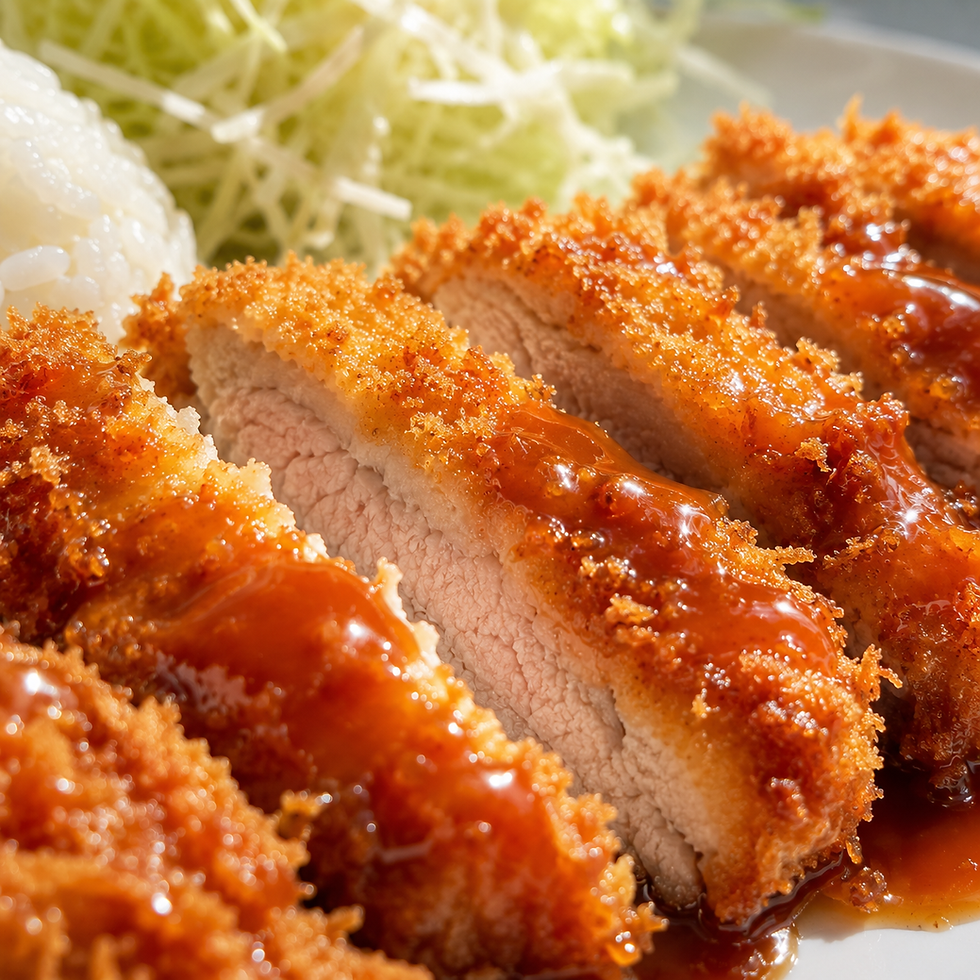
Good donkatsu should have:
crisp breadcrumb coating
tender pork inside
no greasy soaked breading
sauce that clings
rice to balance the sauce
cabbage or pickles to cut through the fried richness
If the crust is soft before sauce touches it, the cutlet will feel heavy. If the pork is dry, the sauce has to work too hard. If the sauce is too sweet, cabbage and pickles become even more important.
Korean Donkatsu Plate Style
The plate is where Korean donkatsu becomes Korean donkatsu.
A plain fried pork cutlet can be good, but the Korean plate setup makes it feel like a meal. Rice gives the sauce somewhere to go. Cabbage adds freshness. Pickles or kimchi cut through the fried coating. Sauce ties the pork to the rice.

A simple Korean donkatsu plate can include:
sliced pork cutlet
donkatsu sauce
white rice
shredded cabbage
dressing or mayo-style salad
pickled radish or cucumber pickles
kimchi
soup or broth
A heavier plate might include:
curry sauce
cheese cutlet
macaroni salad
corn salad
fried egg
extra cabbage
The best plate has enough contrast. Fried pork plus rice plus sauce can get heavy fast without cabbage, pickles, or kimchi.
Cabbage, Rice, Pickles, and Kimchi
Cabbage is not decoration.
Shredded cabbage gives the plate crunch and freshness. It also gives you something cold and light between bites of fried pork. A simple dressing, mayo-style sauce, or sweet-tangy cabbage dressing can make the plate feel more complete.
Rice matters because donkatsu sauce is strong. A spoon of rice helps balance salty, sweet, tangy sauce and makes the cutlet feel like dinner instead of only fried meat.
Pickles and kimchi matter because they cut through the oil. Donkatsu can taste rich, especially if the sauce is heavy. A sharp bite keeps the plate from becoming dull.
Use this side split:
Side | What it does |
White rice | Balances sauce and makes it a meal |
Shredded cabbage | Adds freshness and crunch |
Pickles | Cut through fried richness |
Kimchi | Adds acid, heat, and Korean meal balance |
Corn or macaroni salad | Adds old-school comfort plate feeling |
Curry sauce | Turns cutlet into a heavier rice meal |
For rice pairing, read What Makes Korean Rice Sticky, Soft, and Better for Meals.
Curry Donkatsu
Curry donkatsu is one of the easiest ways to make a pork cutlet feel like a full dinner.
The cutlet brings crunch. The curry brings warm sauce. Rice turns it into a complete plate. This style works especially well when the pork cutlet is crisp enough to hold up to sauce and the curry is thick enough to spoon without flooding the whole plate.
The key is placement. If you pour curry over the entire cutlet too early, the breading softens fast. If you put curry beside the cutlet or partially over it, you get sauce and crunch in the same meal.
Curry donkatsu works best with:
crisp pork cutlet
medium-thick curry sauce
white rice
pickles or kimchi
shredded cabbage
sliced cutlet for easy eating
For curry plate ideas, read Korean Curry Night Beyond the Box: The Cutlets, Pickles, and Sides That Make It Feel Complete.
Cheese Donkatsu and Other Variations
Cheese donkatsu is one of the most popular modern Korean-style cutlet variations.
It usually has cheese inside the breaded cutlet, so the center stretches or melts when sliced. It is richer than regular pork cutlet, which means the sides matter even more. Cabbage, pickles, and kimchi help keep the plate from feeling too heavy.
Other Korean cutlet variations include:
chicken katsu
fish cutlet
shrimp cutlet
mozzarella pork cutlet
curry donkatsu
spicy sauce donkatsu
hamburger steak and cutlet combo plates
These variations still follow the same plate logic. Crisp cutlet, sauce, rice, something fresh, and something sharp.
Frozen Korean Katsu at Home
Frozen Korean katsu and cutlet products make sense when you want the donkatsu plate without breading and frying pork from scratch.
The important thing is not just crisping the cutlet. It is plating it correctly. A good frozen cutlet can feel much more complete when you add rice, cabbage, sauce, pickles, kimchi, or curry.
Use frozen katsu when you want:
fast crispy meal at home
cutlet over rice
curry cutlet plate
cabbage salad and sauce dinner
a quick lunch or weeknight meal
less frying prep
This is where the pillar article helps. If you want specific frozen cutlet options, read Best Korean Frozen Katsu and Cutlet Products for Fast Crispy Meals at Home.
Who Will Like Korean Donkatsu?
Korean donkatsu is a good fit if you like crispy, saucy, plate-style comfort food.
It is not usually spicy. It is usually more about crunch, sauce, rice, and sides. That makes it approachable for people who are new to Korean food or want something less fermented, less spicy, and more familiar than stews or grilled meats.
You will probably like Korean donkatsu if you want:
crispy pork cutlet
sweet-savory sauce
rice and cabbage plate
non-spicy Korean comfort food
curry cutlet meals
frozen cutlet options at home
something kid-friendly or beginner-friendly
It may not be the best fit if you want:
spicy Korean food
grilled meat
soup or stew
light meals
strong fermented flavors
a sauce-free cutlet experience
Donkatsu is comfort food first.
Common Mistakes
Thinking Korean donkatsu is only the same as Japanese tonkatsu is the first mistake. They are related, but the Korean plate style matters.
Using too much sauce can make the breading soggy. Add enough to flavor the cutlet, but not so much that the crust disappears.
Skipping cabbage makes the plate feel heavier. The fried pork needs freshness.
Skipping rice can make the sauce taste too strong and the meal feel incomplete.
Serving without pickles or kimchi removes the sharp contrast that fried food needs.
Microwaving a crispy cutlet can soften the crust. Use an oven, air fryer, or pan if you want the outside to stay crisp.
Pouring curry over the whole cutlet too early can ruin the crunch. Put curry beside it or only partly over the sliced pieces.
What to Put on the Plate First
For the easiest Korean donkatsu plate at home, start simple.
Use:
pork cutlet
donkatsu sauce
white rice
shredded cabbage
pickles or danmuji
kimchi if you want a more Korean-style side
curry sauce if you want a heavier dinner
That is enough for the plate to make sense. You can add macaroni salad, corn salad, fried egg, cheese, or extra sauce later, but the basics should come first.
👉 Browse our [K-Food Guide] for more options.
Final Verdict
Korean donkatsu is a crispy pork cutlet meal built around sauce, rice, cabbage, and plate-style comfort.
It is related to Japanese tonkatsu, but Korean donkatsu often feels more generous with sauce and more focused on the full plate. The cutlet matters, but so do the cabbage, rice, pickles, kimchi, curry, and sauce balance.
If you want the clearest first plate, keep it simple: crispy pork cutlet, donkatsu sauce, rice, shredded cabbage, and something sharp like pickles or kimchi. If you want a heavier meal, add curry. If you want the easiest home version, use a frozen katsu product and build the plate around it.
The best Korean donkatsu is not just fried pork. It is fried pork made into a meal.
Related Posts to Read Next
Best Korean Frozen Katsu and Cutlet Products for Fast Crispy Meals at Home
Korean Curry Night Beyond the Box: The Cutlets, Pickles, and Sides That Make It Feel Complete
Korean Curry Explained: What It Tastes Like, How It Differs from Japanese Curry, and Where to Start
Best Korean Side Dishes That Make Plain Rice Feel Like a Full Meal
Best Korean Convenience Foods for Nights When You’re Too Tired to Cook
FAQ
What is Korean donkatsu?
Korean donkatsu is a Korean-style pork cutlet made with breaded pork that is fried until crisp and usually served with sauce, rice, shredded cabbage, pickles, kimchi, or curry.
Is Korean donkatsu the same as Japanese tonkatsu?
They are related, but not exactly the same. Both are breaded pork cutlets, but Korean donkatsu often has a more plate-style setup with generous sauce, rice, cabbage salad, pickles, kimchi, or curry.
Why do people call it Korean tonkatsu?
People often search Korean tonkatsu because donkatsu is closely related to Japanese tonkatsu. In Korea, the dish is commonly called donkatsu, donkkaseu, or Korean pork cutlet.
What sauce goes on Korean donkatsu?
Korean donkatsu sauce can be sweet, tangy, savory, brown, gravy-like, or similar to Japanese tonkatsu sauce. Curry sauce is also common for curry donkatsu plates.
What do you eat with Korean pork cutlet?
Korean pork cutlet is usually eaten with rice, shredded cabbage, donkatsu sauce, pickles, kimchi, soup, curry, or simple side dishes.
Is Korean donkatsu spicy?
Usually, no. Korean donkatsu is more crispy, saucy, sweet-savory, and comforting than spicy. Some modern versions may add spicy sauce, but classic donkatsu is not usually a heat-focused dish.
Can frozen katsu work for Korean donkatsu at home?
Yes. Frozen katsu can work well if it crisps properly and you plate it with rice, cabbage, sauce, pickles, kimchi, or curry.
What is the easiest Korean donkatsu plate at home?
The easiest plate is crispy pork cutlet, donkatsu sauce, white rice, shredded cabbage, and pickles or kimchi. Add curry if you want a heavier comfort meal.


Comments