
.png)
Korean Sick-Day Foods That Actually Help: Juk, Mild Soup, Tea, and Easy Comfort Staples


The Korean sick-day foods that actually help are usually the ones that ask the least from you.
Not the foods with the biggest comfort-food reputation. Not the foods that sound heroic in theory. The ones you can still say yes to when your appetite is unreliable, your energy is gone, and even chewing starts to feel like more involvement than you wanted from dinner.
That is why the sick-day rotation keeps coming back to the same kinds of things. Juk (Porridge) when you need something spoonable and warm. Mild soup when porridge sounds too thick but broth still sounds possible. Tea when even a full bowl feels ambitious. Then one or two very plain comfort staples for the strange in-between stage where your appetite is coming back, but your body still does not want a big meal.
None of this is magic.
It is just food that stops fighting you.
That is the real standard. Warm enough to feel comforting. Mild enough to tolerate. Easy enough that the step between “I should have something” and “I can have this” stays very small.
TL;DR
The Korean foods that help most on sick days are usually the softest, mildest, and easiest to keep eating once you start.
Juk is the best first move when you want something warm and spoonable that does not fight back. Mild soup is the better move when you want comfort, but less thickness. Tea matters on the days when even food feels like too much. And a few plain comfort staples, like seaweed soup with rice or a soft egg with rice, make more sense once your appetite is on the way back.
The biggest mistake is reaching for loud comfort too early. Sick-day food works best when it is warm, simple, and easy to finish without talking yourself into every bite.
The first bad day usually belongs to juk
This is the bowl that understands low appetite better than almost anything else.
Juk is soft without feeling bleak. It is warm without being heavy. It lets you eat something real without asking for much chewing, much smell tolerance, or much appetite.
That is why it keeps being the first Korean food people think of for sick days. The format itself is forgiving. A good porridge does not need you to be very hungry. It just needs you to manage a spoon.
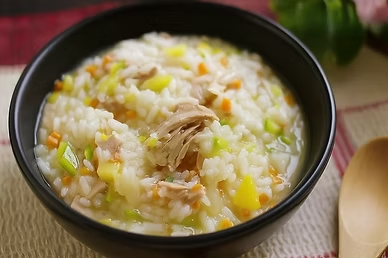
The gentlest savory bowls usually make the most sense first. Vegetable juk. A simple chicken-style porridge. Eggy rice porridge. Maybe a mild tuna bowl if that still sounds appealing. The point is not to choose the most interesting porridge. It is to choose the one that sounds easiest to start.
That is exactly where Dongwon Rice Porridge with Vegetable fits. This is the kind of bowl that works because it does not smell aggressive, does not need much from you, and still feels like actual food instead of a placeholder.
If you are still figuring out which kind of porridge sounds most realistic for the way you actually feel, Which Korean Juk Should You Try First? A Beginner’s Guide to Porridge for Comfort, Breakfast, and Sick Days is the most useful next read.
Then there is the day when porridge sounds too thick, but broth still sounds right
This is the point where mild soup starts making more sense.
Sometimes you do not want a whole bowl of soft rice. You want something you can sip first and commit to later. Something warm and lightly savory that does not feel like it is sitting heavily in your stomach or asking you to keep going once you have had enough.
That is where mild Korean soup earns its place.
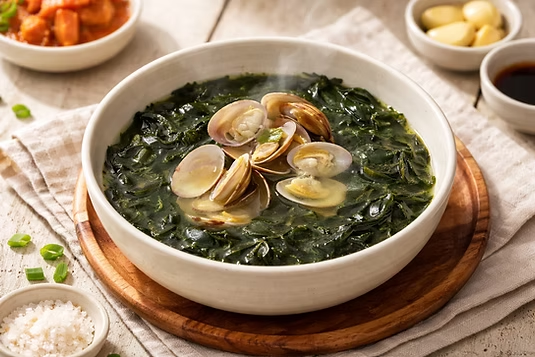
Seaweed soup works especially well here because it feels gentle without feeling empty. It is warm, mild, and easy to keep eating in slow spoonfuls. It gives you broth comfort without the sharper edges of spicy soup or the heavier feeling of a richer stew.
This is exactly why CJ Seaweed Soup makes sense in a sick-day article. It is the kind of bowl that helps when you want something savory and comforting, but you still need the meal to stay soft around the edges.
The useful sick-day question is not “What sounds delicious?”
It is “What sounds possible?”
Seaweed soup often passes that test when louder comfort foods do not.
If you want the deeper pantry logic behind why miyeok-guk keeps working so well as fast comfort food, Best Korean Seaweed Soup Ingredients to Keep at Home for Fast Comfort Meals is the best follow-up from here.
And then there are the hours when even a bowl still feels like too much
This is where tea matters.
Not because tea is a meal. Not because it solves everything. Just because some sick days start one click earlier than food.
You do not want to chew. You do not want to smell dinner. You do not want to decide. You just want something warm in your hands that feels easier to take in than plain water and a little more comforting than doing nothing.

That is why citron tea stays so useful. It is fragrant without being harsh, warm without being heavy, and simple enough that making it does not become a task. The taste is bright, but not intense. On some days that brightness is easier to want than anything savory.
That is where HAIO Premium Honey Citron Tea fits naturally. It is the kind of pantry jar that earns its place because it helps on the exact days when the gap between “I should have something” and “I can manage this” needs to stay tiny.
Tea is also the reminder that sick-day comfort is not always about fullness. Sometimes it is just about warmth you do not have to argue with.
The appetite-coming-back stage needs gentler food than people think
This is where people often get too optimistic too fast.
You start feeling a little better, so suddenly a real meal sounds emotionally correct. Then halfway through, the food feels louder or heavier than your body actually wanted.
The better move is usually quieter.
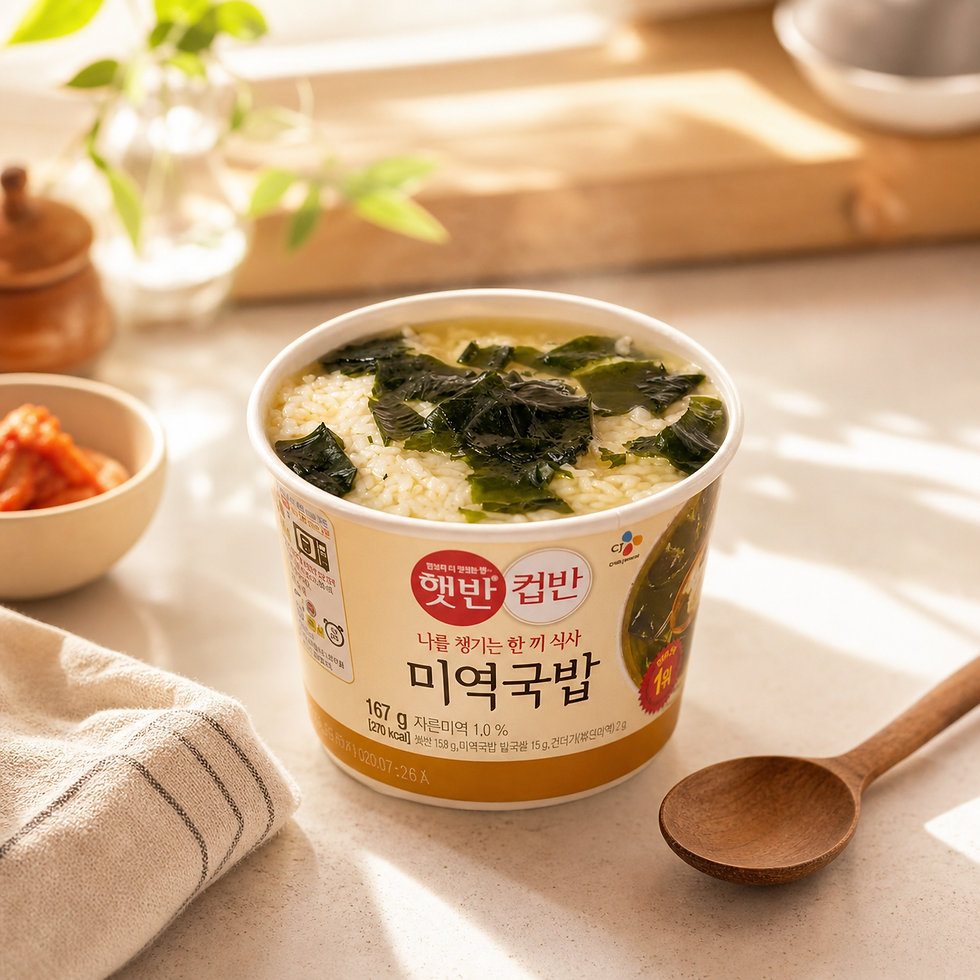
A light rice-and-soup combination. A soft egg with rice. A little roasted seaweed. A mild soup-and-rice pouch that feels like a real meal, just trimmed down.
That is why CJ Cooked White Rice with Seaweed Soup makes so much sense here. It is not a triumphant return to eating. It is the kind of in-between food that lets you eat something more complete than tea or porridge without jumping straight to a full dinner that might still be too much.
This stage is where simple helps more than craving. Plain rice and a soft egg can make more sense than takeout. A light soup-and-rice meal can work better than the comfort food you missed yesterday. The goal is not to reward yourself for feeling slightly better. It is to keep recovery food easy to finish.
What usually sounds comforting but backfires
Spicy ramyeon can sound emotionally perfect and physically exhausting.
Fried food can smell right and eat wrong.
A giant stew can ask for more appetite than you actually have.
Even a food you normally love can become the wrong choice if it is greasy, too strongly scented, or requires a lot of chewing once you finally sit down with it.
That is why Korean sick-day food works best when it stays quiet. You are not trying to win dinner. You are trying to find the bowl, cup, or small meal you will actually finish without losing interest halfway through.
👉 Browse our [Ready-to-Eat Soup, Stew, & Porridge category] for more options.
The best sick-day setup is smaller than people think
One soft bowl.
One mild soup.
One easy tea.
One very plain comfort staple for the in-between stage.
That is usually enough.
You do not need an impressive recovery menu. You need foods that cover different levels of appetite without making you guess too hard.
Juk for the days when spoonable is the whole point.
Mild soup for the days when broth sounds easier than thickness.
Tea for the hours when even a bowl feels ambitious.
A light comfort staple for the way back.
That is the real reason these foods help. They make eating feel less difficult at exactly the time difficulty is the problem.
Related posts to read next
FAQ
What is the best Korean food to eat when sick?
For a lot of people, juk is still the best first answer because it is warm, soft, mild, and easy to eat when appetite is low. Mild soup is usually the next easiest step when you want something lighter than porridge but more substantial than tea.
Is Korean porridge better than soup on sick days?
It depends on what sounds easier to handle. Juk is usually better when you want something spoonable and gently filling. Mild soup is better when you want warmth and savoriness with less thickness.
What Korean tea is good on sick days?
Citron tea is one of the easiest Korean teas to reach for because it is warm, fragrant, and simple to prepare. It is especially useful on the days when food still feels like too much.
What should I eat if even porridge sounds like too much?
Start smaller. Warm tea or mild broth usually makes more sense than forcing a full bowl. If you cannot keep fluids down at all or you feel significantly worse, it is worth getting medical advice.
Are spicy Korean foods good when sick?
Sometimes people crave them, but they are often the wrong first move when appetite is low or your stomach feels off. Warm, mild, and less greasy foods are usually easier to tolerate.
What Korean comfort food makes sense when my appetite is coming back?
Gentle staples like rice, seaweed soup, a soft egg, or a light soup-and-rice meal usually make the most sense. They feel more like real food again without jumping all the way to something heavy.
Do I need a lot of side dishes with sick-day Korean food?
No. Sick-day Korean meals usually work better when they stay simple. One bowl and maybe one small side or one cup of tea is often enough.


Comments