
.png)
Best Ready-to-Eat Korean Porridge Bowls for Comfort, Breakfast, and Light Meals

Updated: May 18

Most ready-to-eat meals ask you to be at least a little in the mood for them.
Korean porridge does not.
That is part of why it is so useful.
A porridge bowl still works when you are too tired to cook, too busy to think, not especially hungry, coming down with something, easing into the day, or just tired of crunchy, chewy, aggressively seasoned food. It is warm, soft, and low-pressure in a way that very few convenience foods are.
The tricky part is that not every Korean porridge bowl solves the same problem. Some are better for comfort. Some make more sense for breakfast. Some are the kind you keep around because lunch needs to be quiet and easy, not exciting.
So the real question is not which bowl is best. It is what kind of soft meal you actually need.
👉 If you want to compare porridge bowls against tteokbokki, naengmyeon, and jjajang kits, this Korean meal kits explained guide can help you choose the better format.
TL;DR
Choose a savory seafood porridge if you want the most comforting kind of bowl
Choose a mild vegetable porridge if you want something gentle and easy to finish
Choose a tuna porridge if you want the most practical everyday option
Choose a sweet pumpkin porridge if you want a softer breakfast or snack-style bowl
If you are new to Korean porridge, start with a mild savory bowl before moving into sweeter styles
Why ready-to-eat Korean porridge is so easy to underestimate
People sometimes expect porridge to be either bland or strictly a sick-day food.
That is too narrow.
The point of Korean juk is not big flavor fireworks. It is how easy the bowl is to say yes to when other meals feel like work. The rice is soft. The spoon pace is slower. Even the savory bowls usually feel calmer than soup, noodles, or a regular rice meal with sides.
That is what makes these bowls useful for comfort, breakfast, and light meals, but not in exactly the same way.
A seafood porridge can feel restorative. A mushroom or vegetable bowl can feel especially clean and manageable. Tuna porridge tends to land as practical and everyday. Pumpkin porridge sits in its own corner of the category. It is smoother, softer, and more breakfast-coded than lunch-coded.
Once you look at it that way, the category gets much easier to shop.

For comfort, the best bowls are usually savory and a little gentle
Comfort does not always mean rich.
A lot of the time, comfort means the food goes down easily, tastes warm and settled, and does not ask much from you. That is why Korean porridge works so well in the first place. It gives you a real meal without the weight of a real meal.
Seafood porridge tends to do this especially well. It has a little more depth than plain vegetable porridge, but still keeps that quiet, spoonable softness that makes juk so appealing.

Jinga Porridge with Abalone fits this kind of comfort beautifully. It is the bowl for evenings when you want something soft and savory, but not plain. Abalone gives it a little more depth, so it feels soothing without feeling bare. This is the kind of porridge that makes sense when you are drained, under the weather, or just want dinner to be as undemanding as possible.
If that sounds right but slightly too special for an ordinary day, Jinga Rice Porridge with Shrimp is easier to picture opening often. It still has that warm seafood-porridge comfort, but in a more everyday way. It feels like the bowl you keep around because it is consistently easy to want.
There is also a texture reason these bowls work so well. Seafood porridges tend to have just enough savoriness to keep each spoonful from feeling sleepy, but not so much that the bowl turns heavy. That balance matters more than people expect.
Breakfast porridge depends on whether you wake up wanting savory or soft-sweet
Breakfast is where the category splits in a useful way.
Some people want breakfast to feel like a real meal, just easier. Others want something warm and gentle that sits somewhere between breakfast and snack.
If you are the first person, mild savory porridge makes more sense.
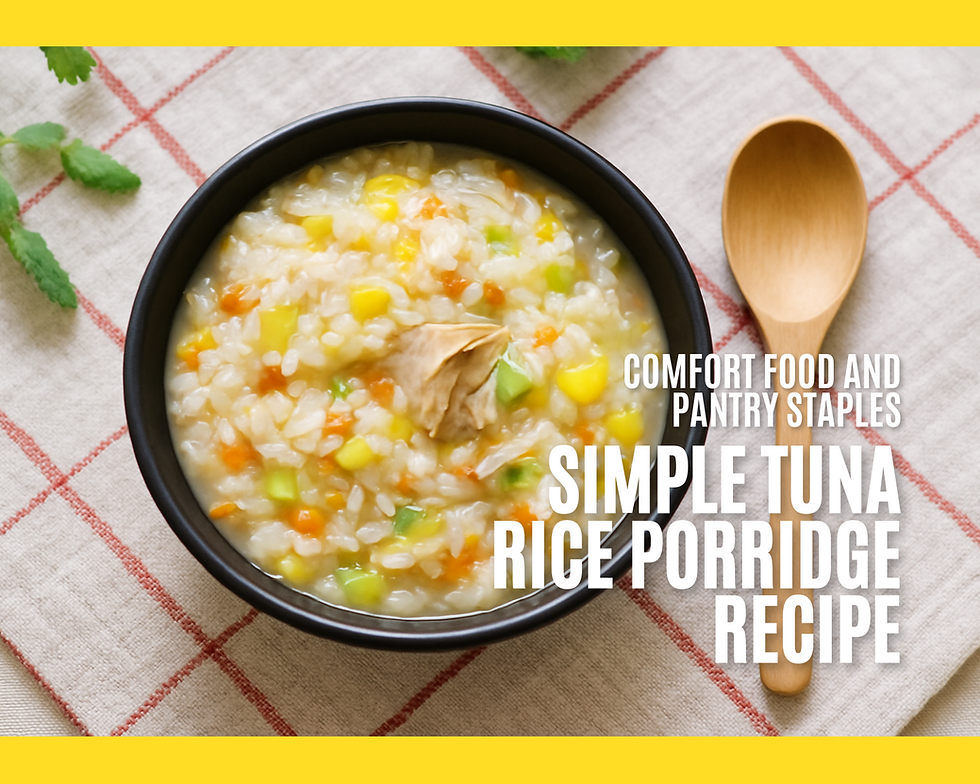
OTOKI Tuna Rice Porridge is a very practical breakfast bowl. It is not flashy, which is part of the appeal. It feels like something you can actually keep around for rushed mornings, eat without thinking too hard, and still feel like you had food instead of just a placeholder. Tuna gives the bowl a little more substance, so it lands better than very plain porridge when you need breakfast to hold you for a while.

If you are the second person, CJ Hetban Sweet Pumpkin Porridge is the more natural fit. Pumpkin porridge has that smooth, lightly sweet, almost cozy-bowl feeling that works well when eggs sound too savory and toast sounds too dry. It is especially good on mornings when you want warmth first and decisiveness later. That is really the split.
Choose tuna porridge when you want breakfast to count as a meal. Choose pumpkin porridge when you want breakfast to feel softer and easier than that.
Light meals are where these bowls become genuinely useful
This is probably the most underrated reason to keep Korean porridge at home.
A lot of quick meals miss the middle. They are either too snacky to count or too heavy for what you were trying to solve. Porridge does a better job of landing in between. It is enough food to settle you, but usually not enough food to slow the rest of your day down.
That is why these bowls work so well for desk lunches, late lunches, low-appetite days, or the weird gap when you know you need something more than tea and crackers but less than a full meal.
Bibigo Porridge Mushroom & Veggie is a strong fit for that exact use. Mushroom and vegetable porridge stays mild without tasting empty. It is useful when you want lunch to feel warm, soft, and quiet, not rich or distracting. It is also one of the easier bowls to keep around if you like the idea of porridge but do not always want seafood.
If you want that same light-meal usefulness with a little more staying power, OTOKI Tuna Rice Porridge deserves another look here too. Tuna helps the bowl feel slightly sturdier, which can be the difference between a light meal and a meal that leaves you raiding the pantry an hour later.
Jinga Rice Porridge with Shrimp also works nicely in this lane when you want the light meal to still feel comforting. It is gentler than many lunch options, but it does not feel like you are settling.

Which Korean porridge bowl should you buy first?
If you are new to ready-to-eat Korean porridge, start with a mild savory bowl.
That is the easiest way to understand what the category is good at.
A bowl like OTOKI Tuna Rice Porridge or Bibigo Porridge Mushroom & Veggie usually makes immediate sense because the flavor direction is familiar and the texture is the main thing you are learning. Jinga Rice Porridge with Shrimp is the better first pick if the reason you are shopping is comfort. It gives you that soft, calming seafood style without feeling too niche.
I would usually not start with sweet pumpkin unless the idea already sounds good to you. CJ Hetban Sweet Pumpkin Porridge can be very comforting, but it fits best once you already know you enjoy juk as a texture and are open to a softer, sweeter kind of bowl.
The bowls that make the most sense for different people
➡️ Best first buy
A mild savory bowl is still the safest first move, especially tuna or mushroom-and-vegetable porridge.
These are easy to understand right away and easy to imagine buying again.
➡️ Best comfort pick
Jinga Porridge with Abalone stands out when what you want is a more soothing, slightly more special dinner bowl.
➡️ Best everyday pantry bowl
OTOKI Tuna Rice Porridge makes the strongest case here because it works for breakfast, light lunches, and those low-energy meals when you want something warm but do not want to negotiate with dinner.
➡️ Best soft breakfast bowl
CJ Hetban Sweet Pumpkin Porridge is the one to buy when you want warmth and gentleness more than a savory start.
👉 Browse our [Instant Soup & Porridge Category] for more options.
Final verdict
The best ready-to-eat Korean porridge bowls are the ones that match the kind of appetite you have left.
If you want the most comforting bowl, a savory seafood porridge like Jinga Porridge with Abalone or Jinga Rice Porridge with Shrimp makes the most sense. If you want something for breakfast, decide whether you want practical and savory or soft and slightly sweet. If you want a reliable light meal, mild bowls like Bibigo Porridge Mushroom & Veggie or OTOKI Tuna Rice Porridge are usually the easiest to keep using.
That is really the appeal of Korean porridge. It is not trying to be exciting. It is trying to be easy to want when other food feels like too much, and on the right day, that is exactly what makes it good.
Related posts to read next
FAQ
What is the best ready-to-eat Korean porridge bowl for beginners?
A mild savory bowl is usually the easiest first step. Tuna, mushroom, vegetable, or shrimp porridge all tend to make more immediate sense than sweeter styles if you are new to Korean juk.
Which Korean porridge is best for breakfast?
That depends on whether you want savory or slightly sweet. Tuna porridge works better when you want breakfast to feel like a real meal. Pumpkin porridge works better when you want something softer and gentler.
Which Korean porridge works best for sick days or low-energy days?
Savory seafood porridges like abalone or shrimp are especially good here because they feel warm, gentle, and easy to finish without tasting too plain.
Is Korean porridge filling enough for lunch?
Yes, especially the savory bowls. Tuna, shrimp, mushroom, and vegetable porridges all work well as light lunches when you want something warm but not too heavy.
Is sweet pumpkin porridge a meal or more of a snack?
It can be either, but it often feels more breakfast-like or snack-like than a full lunch or dinner. It is best when you want something warm, smooth, and slightly sweet.
Which ready-to-eat Korean porridge is the most practical to keep at home?
Tuna porridge is one of the most practical because it works for breakfast, light lunches, and low-energy meals without feeling too niche.
Should I start with sweet or savory Korean porridge?
Savory is usually the safer first move. Once you get used to the texture and calmer style of Korean porridge, sweet bowls like pumpkin often make more sense.


Comments