
.png)
What Is Gochujang? The Bold, Funky, Spicy Heart of Korean Cooking

Updated: May 13

Gochujang is one of those Korean ingredients that looks simple from the outside but changes almost everything once you understand how to use it. It is spicy, savory, slightly sweet, thick, fermented, and bold enough to turn plain rice, noodles, tofu, vegetables, meat, and soups into something that tastes much deeper.
But for beginners, gochujang can also be confusing. Is it a hot sauce? Is it a marinade? Is it the same as ssamjang? Do you cook with it straight from the tub, or mix it into something first?
This guide breaks down what gochujang is, what it tastes like, how Koreans actually use it, how spicy it really is, and how to start using it at home without making your food too hot or too heavy. If you are building a Korean pantry, gochujang is one of the first ingredients worth understanding properly.
TL;DR
Gochujang is a thick Korean chili paste made for more than just heat. It brings spice, sweetness, fermented depth, body, and color to Korean dishes like bibimbap, tteokbokki, spicy pork, stews, marinades, rice bowls, and dipping sauces.
If you are new to Korean cooking, think of gochujang as a flavor base instead of a hot sauce. You usually mix it with soy sauce, sesame oil, garlic, sugar, vinegar, water, broth, or mayo to turn it into a sauce that coats food evenly. A small spoonful can make rice bowls, noodles, tofu, vegetables, meats, and soups taste fuller without needing a complicated recipe.
Start with mild or regular gochujang if you are a beginner. Use less than you think, thin it out before cooking, and build the flavor slowly. Once you understand how it works, gochujang becomes one of the easiest Korean pantry staples to use again and again.
👉 If you want to understand how gochujang fits with soy sauce, doenjang, ssamjang, oils, and stock, start with this complete Korean sauce guide.
What Gochujang Really Is
Gochujang is a thick Korean fermented chili paste used to add heat, sweetness, savory depth, and body to food. It is not the same as hot sauce, chili oil, or plain chili paste. Instead of adding only sharp heat, gochujang gives dishes a deeper, rounder flavor that feels spicy, slightly sweet, salty, earthy, and fermented at the same time.

Traditional gochujang is usually made with:
Gochugaru Korean chili flakes
Meju powder fermented soybean powder
Glutinous rice for thickness and gentle sweetness
Salt for seasoning and preservation
Barley malt, syrup, or another sweetener depending on the style
That mix is what makes gochujang so useful in Korean cooking. The chili brings color and spice, the fermented soybean adds umami, the rice gives it a thick texture, and the sweetness helps balance salty, spicy, and savory flavors.
The biggest mistake beginners make is treating gochujang like a squeeze-on hot sauce. Gochujang is usually better when it is mixed into something: soy sauce, sesame oil, garlic, vinegar, sugar, broth, water, mayo, or marinade. That helps it loosen up, coat food evenly, and taste balanced instead of heavy or pasty.
Think of gochujang as a Korean flavor base. It can become bibimbap sauce, tteokbokki sauce, spicy pork marinade, noodle sauce, dipping sauce, stew seasoning, tofu glaze, or a quick rice bowl sauce. A little goes a long way, but once you understand how to balance it, it becomes one of the most useful ingredients in a Korean pantry.
👉 If you are confused about chili paste versus chili flakes, this gochujang vs gochugaru guide explains when each one makes more sense.
A Short History of Gochujang
Before gochujang became something you could buy in a red plastic tub, it was a homemade fermented staple. Korean families traditionally made it by hand, then aged it in large clay fermentation jars called onggi. The process took time, patience, sunlight, air, and family know-how passed down through generations.
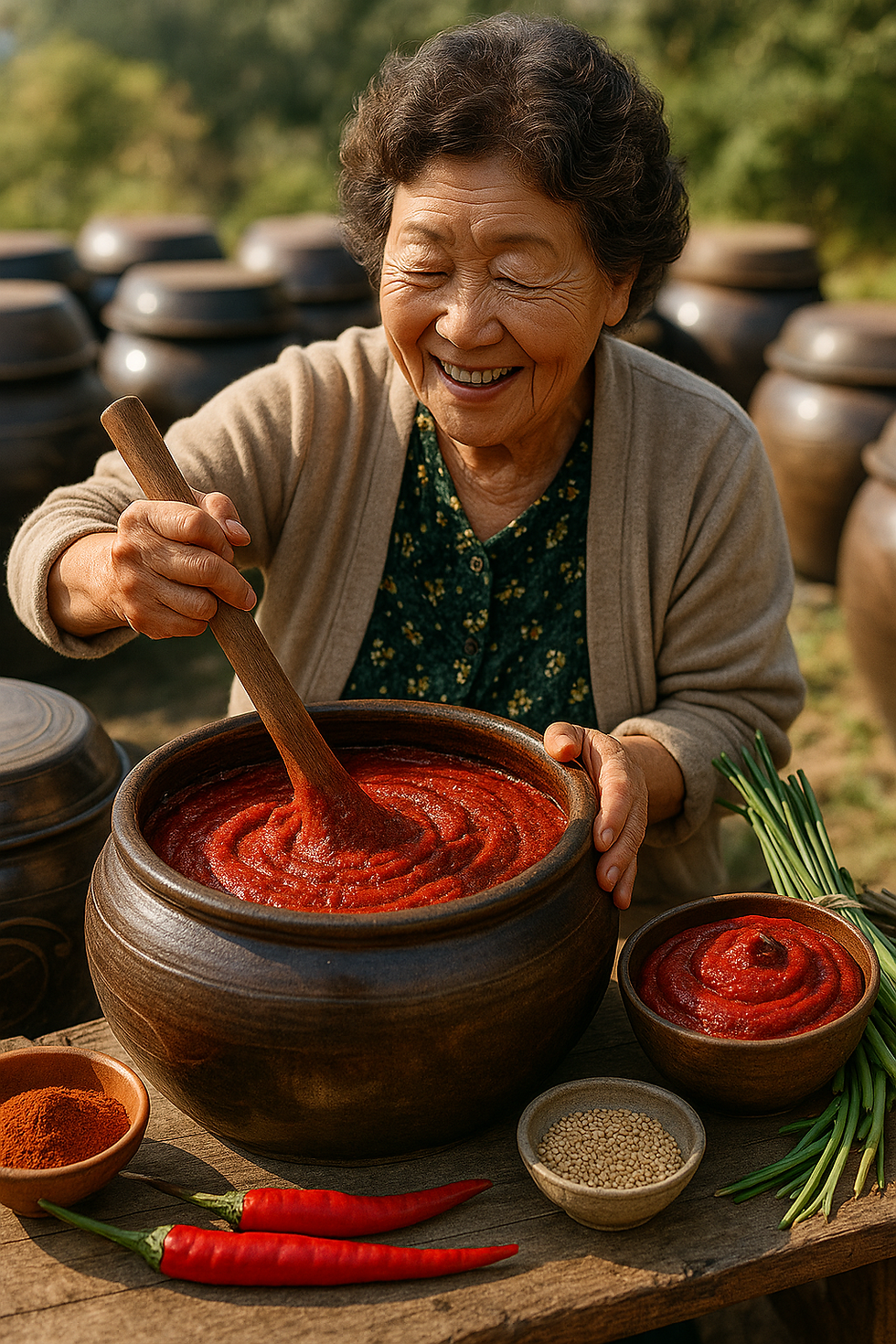
That is why older Koreans often remember gochujang by household, not just by brand. One family’s gochujang might have been deeper and saltier. Another might have been sweeter, darker, or noticeably spicier. Small differences in chili flakes, fermented soybean powder, rice, malt, salt, weather, and fermentation time could change the final flavor.
Gochujang was not just a spicy condiment. It helped Korean home cooks build flavor from simple ingredients. A spoonful could turn rice, vegetables, noodles, tofu, meat, or soup into something fuller and more satisfying. It brought heat, body, color, sweetness, salt, and fermented depth at the same time.
Today, most people buy gochujang ready-made, which makes it much easier to keep in a modern pantry. But the reason it still feels so important in Korean cooking is the same: gochujang is not just about spice. It is a foundation ingredient that carries a lot of Korean food’s bold, comforting flavor.
What Koreans Actually Use Gochujang For
Gochujang is rarely used like ketchup or bottled hot sauce. It is thick, concentrated, and powerful, so Korean home cooks usually mix it with other ingredients before adding it to food. That is where it works best.
Think of gochujang as a base for sauces, marinades, stews, glazes, and spicy seasonings. On its own, it can taste too thick, salty, or intense. But when it is balanced with soy sauce, sesame oil, garlic, vinegar, sugar, broth, water, or cooking syrup, it becomes smooth, rich, and much easier to use.

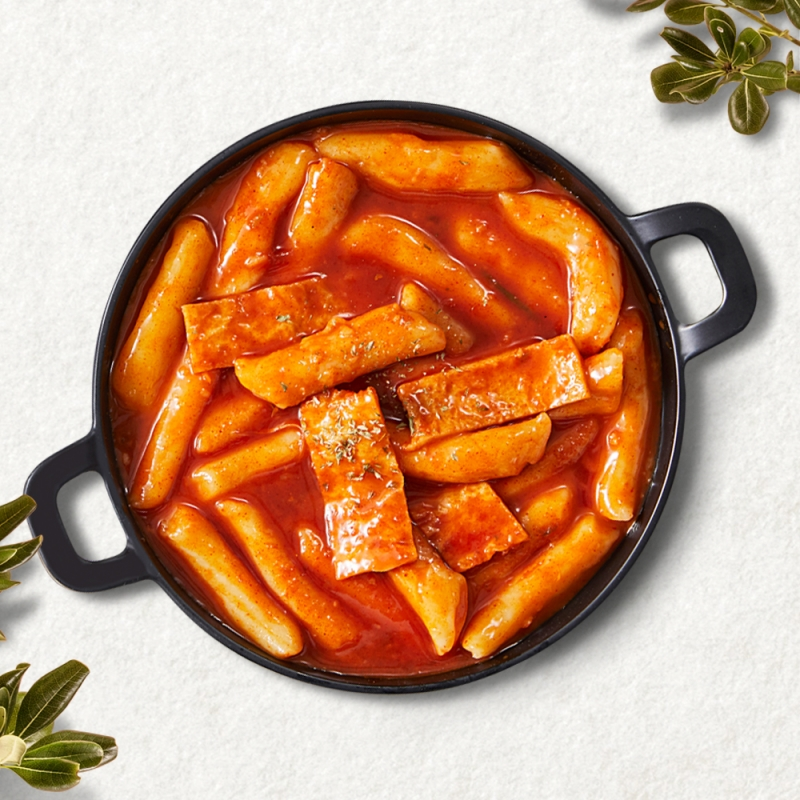
Some of the most common ways Koreans use gochujang include:
Bibimbap sauce – mixed with sesame oil, vinegar, sugar, garlic, and sometimes soy sauce for a glossy rice bowl sauce
Tteokbokki sauce – cooked with broth, sugar, soy sauce, and gochugaru to coat chewy rice cakes
Spicy pork marinade – blended with garlic, ginger, soy sauce, sugar, and sesame oil for jeyuk bokkeum
Stews and soups – stirred into jjigae-style dishes with tofu, vegetables, potatoes, zucchini, pork, or seafood
Cho-gochujang – thinned with vinegar and sweetness for seafood, cold noodles, vegetables, and dipping
Rice bowl sauces – loosened with sesame oil, soy sauce, and water for quick bowls with egg, tuna, tofu, or vegetables
Glazes and dipping sauces – mixed into mayo, honey, butter, or vinegar-based sauces for snacks and fried foods
👉 If you want the thinner, tangier version for seafood, cold noodles, and vegetables, this chogochujang guide explains when to use it.
That flexibility is why gochujang shows up in so many different Korean meals. It can make food spicy, but that is not its only job. It adds color, thickness, sweetness, fermented depth, and a rounded savory flavor that makes simple ingredients taste more complete.
Outside of traditional Korean cooking, gochujang also works surprisingly well in sandwiches, burgers, grilled cheese, roasted vegetables, fried chicken sauces, pizza drizzle, pasta, and even peanut-style noodle sauces. The key is still the same: do not use too much straight from the tub. Mix it, loosen it, and balance it first.
👉 For rice bowls, this bibimbap sauce guide explains how gochujang works with sesame oil, soy sauce, garlic, and sweetness.
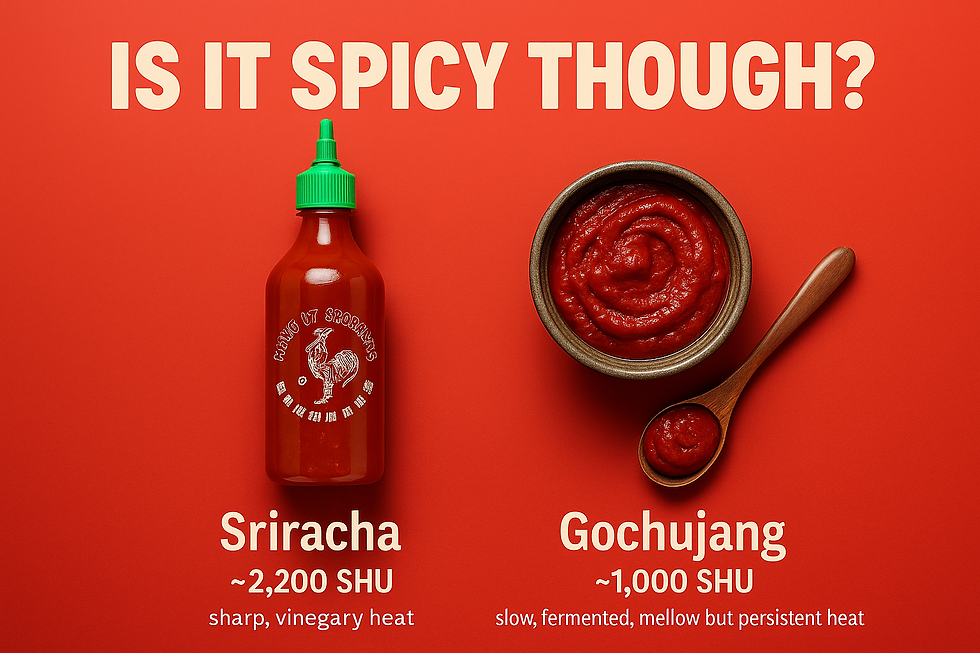
How Spicy Is Gochujang?
Gochujang is spicy, but it is usually not the sharp, instant heat you get from hot sauce or fresh chilies. Its heat is thicker, slower, and more rounded because it comes with sweetness, saltiness, fermented depth, and a paste-like texture.
That is why gochujang can feel stronger in food than its heat level suggests. A spoonful of gochujang does not just add spice. It also changes the body of the sauce, deepens the color, adds sweetness, and gives the dish a heavier, more savory finish.
For most beginners, regular gochujang is manageable when used in small amounts. The problem usually happens when people use it straight from the tub or add too much before balancing it with water, broth, soy sauce, sesame oil, vinegar, sugar, or mayo.

A good starting point is:
½ teaspoon for a mild sauce, dip, or rice bowl
1 teaspoon for a noticeable but controlled spicy flavor
1 tablespoon for stronger marinades, stews, tteokbokki sauce, or spicy noodle dishes
If you are sensitive to spice, start with less than you think. You can always add more, but once gochujang takes over a sauce, it can become too thick, salty, and intense.
The easiest way to make gochujang less spicy is to loosen and balance it. Add sesame oil for richness, sugar or syrup for sweetness, vinegar for brightness, mayo for creaminess, or broth and water to thin it out. That gives you the flavor of gochujang without letting the heat dominate the whole dish.
👉 If you are buying your first tub, this mild vs regular vs hot gochujang guide can help you choose the right heat level.
Not All Gochujang Is the Same
Gochujang may look similar from one tub to another, but the flavor can change a lot depending on the brand, heat level, sweetness, texture, and fermentation style. Some gochujang tastes mild and slightly sweet. Some tastes deeper, saltier, and more fermented. Some versions are noticeably hotter and better for people who already enjoy spicy Korean food.

The main differences usually come from:
Chili pepper ratio – more chili usually means stronger heat and a bolder red flavor
Sweetness level – some brands use more rice syrup, corn syrup, barley malt, or sweetener
Fermentation style – deeper fermentation can create a stronger savory flavor
Texture – some gochujang is thick and dense, while others are smoother and easier to mix
Brand style – each brand balances spice, sweetness, saltiness, and umami differently
In Korea, you may see heat labels such as:
순한맛 – mild
보통맛 – regular or medium
매운맛 – hot
For most beginners, regular or medium gochujang is the safest first choice. It gives you the classic spicy-sweet fermented flavor without making every dish too intense. Mild gochujang is better if you are sensitive to spice, while hot gochujang makes more sense if you already enjoy spicy ramen, tteokbokki, spicy pork, or bold dipping sauces.
The best way to learn gochujang is to start small. Use about ½ teaspoon in a sauce, stew, marinade, or rice bowl, then taste and adjust. You can always add more, but once gochujang takes over, it can make a dish too thick, salty, spicy, or heavy.
Gochujang is not only about heat. Its real value is balance. It brings spice, sweetness, saltiness, color, body, and fermented depth at the same time. The right gochujang should not just burn your mouth. It should make simple food taste fuller, warmer, and more complete.
Which Korean Paste Is Right for You?
Gochujang, doenjang, and ssamjang are three of the most useful Korean pastes, but they do very different jobs. They all bring depth, but they do not taste the same and should not be used the same way.

Here is the simple breakdown:
Gochujang – Korean chili paste. Best for spicy-sweet sauces, bibimbap, tteokbokki, marinades, rice bowls, stews, tofu, and noodles.
Doenjang – Korean soybean paste. Best for savory soups, stews, vegetables, marinades, and deeper fermented flavor.
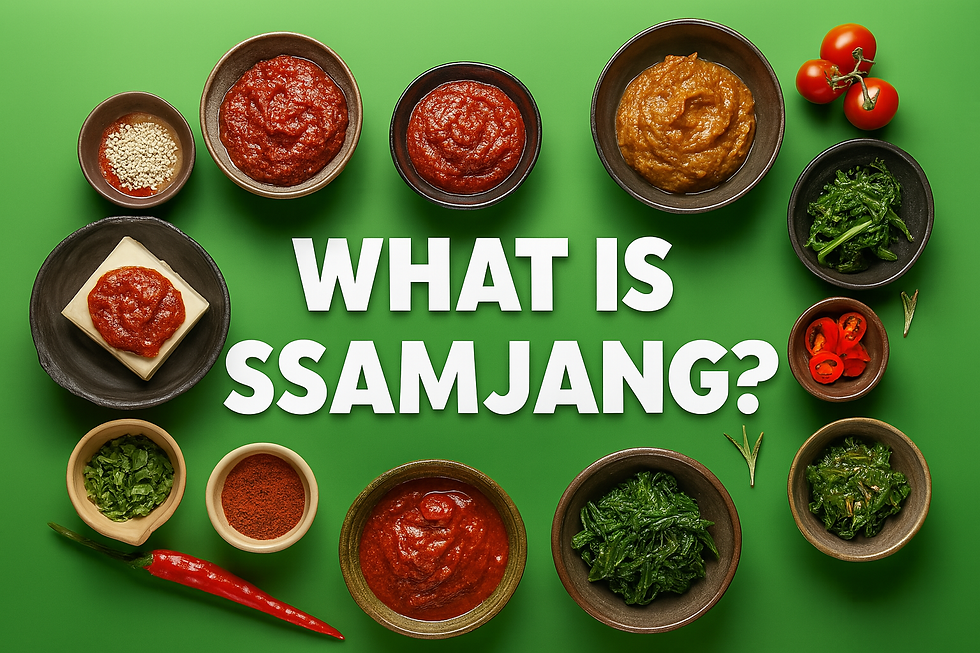
Ssamjang – Korean dipping paste. Usually made with doenjang, gochujang, garlic, sesame oil, sweetener, and seasonings. Best for lettuce wraps, Korean BBQ, grilled meat, vegetables, and dipping.
If you are building a Korean pantry from zero, gochujang is usually the easiest first paste to understand because it changes simple meals quickly. A spoonful can turn rice, noodles, tofu, meat, or vegetables into something spicy, colorful, and more flavorful.
Doenjang is the better choice if you want soups and stews that taste deeper, earthier, and more traditional. It is less about heat and more about savory fermented flavor.
Ssamjang is the easiest one to enjoy straight from the container because it already tastes like a finished dipping sauce. It is especially useful for Korean BBQ, lettuce wraps, cucumbers, peppers, grilled meats, and simple rice plates.
Eventually, all three belong in a Korean pantry. But if you are choosing your first one, start with gochujang for spicy everyday meals, doenjang for soups and stews, and ssamjang for dipping, wraps, and BBQ.
👉 If you are choosing between spicy chili paste and ready-to-eat dipping sauce, this gochujang vs ssamjang guide makes the difference easier to understand.
Easy Ways to Use Gochujang at Home
Gochujang can feel intimidating the first time you open the tub, but it becomes much easier once you stop thinking of it as a condiment and start treating it like a sauce base. You usually do not need a complicated recipe. You just need to mix it with the right balancing ingredients.

👉 For sandwiches, rice bowls, fries, and quick dipping sauces, this gochujang mayo guide shows one of the easiest ways to use gochujang fast.
Start with these easy uses:
Gochujang mayo – mix gochujang with mayo for sandwiches, burgers, fries, rice bowls, kimbap, or dipping
Instant ramen upgrade – stir in a small spoonful for deeper color, heat, and spicy-sweet flavor
Rice bowl sauce – mix with soy sauce, sesame oil, garlic, sugar, and a splash of water
Tofu glaze – loosen it with soy sauce, syrup, and sesame oil, then brush it over pan-fried tofu
Roasted vegetable sauce – toss with carrots, potatoes, mushrooms, or brussels sprouts before roasting
Korean BBQ-style marinade – combine with soy sauce, garlic, sugar, sesame oil, and pear juice or onion
Soup and stew booster – stir a small amount into broth when you want more heat, color, and body
Dipping sauce base – mix with vinegar and sweetness for a quick tangy sauce for vegetables, seafood, or noodles
The safest beginner formula is simple:
gochujang + soy sauce + sesame oil + garlic + a little sweetness + water
That gives you a quick spicy Korean-style sauce that works with rice, noodles, vegetables, tofu, chicken, pork, dumplings, and even fried snacks. Start with a small amount of gochujang, taste, then build from there.
Gochujang is powerful, but it is also flexible. Once you learn how to thin it out and balance it, that red tub becomes one of the easiest ways to make everyday meals taste fuller, warmer, and more Korean-inspired.
👉 If you want the flavor without overwhelming heat, this guide to using gochujang without making food too spicy gives safer beginner-friendly ways to balance it.
Where to Buy Gochujang and What to Look For
Gochujang is widely available now, but not every tub tastes the same. Some are sweeter and smoother, while others are deeper, saltier, thicker, or noticeably hotter. If you are buying gochujang for the first time, the goal is not to find the most intense one. The goal is to find a balanced gochujang you can actually use often.
When shopping, look for:
Made in Korea if you want a more classic Korean pantry staple
Gochugaru or chili powder listed clearly in the ingredients
A balanced mix of spice, sweetness, salt, and fermented depth
A texture that can mix easily into sauces, marinades, stews, and rice bowls
A heat level that matches your comfort zone, especially if you are new to Korean spicy food
For beginners, regular or medium gochujang is usually the best starting point. It gives you the classic spicy-sweet flavor without making every dish too hot. Mild gochujang is better if you are sensitive to spice, while hotter versions are better for tteokbokki, spicy pork, spicy stews, and bold dipping sauces.
You can find gochujang at Korean markets, larger Asian grocery stores, and online Korean grocery shops. If you want an easy way to stock your pantry, MyFreshDash carries Korean gochujang and other sauce staples that work well for rice bowls, noodles, marinades, stews, BBQ, and everyday Korean cooking.
You may need to try more than one brand before finding your favorite. That is normal. The best gochujang is the one that fits how you cook: mild and smooth for beginner meals, balanced for everyday sauces, or deeper and spicier for bolder Korean dishes.
👉 Browse our [Korean sauces, marinades & paste category] for more options.
Final Thoughts: Why Gochujang Belongs in Your Pantry
Gochujang is more than a spicy paste. It is one of the easiest Korean ingredients to keep using once you understand how it works. A small spoonful can bring heat, color, sweetness, savory depth, and body to simple meals that would otherwise taste flat.
That is why gochujang is so useful for beginners. You do not need to master every Korean recipe before using it. You can start with rice bowls, noodles, tofu, roasted vegetables, marinades, dipping sauces, soups, stews, or even a quick gochujang mayo. The key is to balance it instead of using too much straight from the tub.
If you are building a Korean pantry, gochujang is one of the first ingredients worth buying because it opens the door to so many meals. It works with soy sauce, sesame oil, garlic, vinegar, sugar, broth, mayo, and other everyday ingredients, so one tub can become many different sauces.
Start small, taste as you go, and let it become part of your cooking rhythm. Once you know how to use gochujang well, it stops feeling like a specialty ingredient and starts feeling like a pantry shortcut for deeper, warmer, more satisfying Korean flavor.
Related Posts to Read Next
Gochujang FAQ
What is gochujang?
Gochujang is a thick Korean fermented chili paste made with chili pepper, fermented soybean powder, glutinous rice, salt, and sweetness from ingredients like barley malt or syrup. It tastes spicy, savory, slightly sweet, salty, and deeply fermented. In Korean cooking, it is used as a flavor base for sauces, marinades, stews, rice bowls, noodles, tteokbokki, and dipping sauces.
Is gochujang the same as hot sauce?
No. Gochujang is not the same as hot sauce. Hot sauce is usually thin, sharp, and vinegar-forward, while gochujang is thick, concentrated, sweet-savory, and fermented. It is usually mixed with other ingredients like soy sauce, sesame oil, garlic, vinegar, sugar, broth, water, or mayo before being added to food.
What does gochujang taste like?
Gochujang tastes spicy, sweet, salty, savory, and slightly earthy. The heat is usually rounded instead of sharp because the paste also has fermented depth and sweetness. It can make food taste fuller, warmer, and more complex, especially when balanced with sesame oil, soy sauce, garlic, vinegar, or broth.
How spicy is gochujang?
Gochujang is spicy, but most regular versions are manageable when used in small amounts. The heat builds slowly and feels deeper because the paste is thick, salty, sweet, and fermented. Beginners should start with about half a teaspoon in a sauce, marinade, stew, or rice bowl, then add more after tasting.
What is gochujang used for?
Gochujang is used for bibimbap sauce, tteokbokki sauce, spicy pork marinade, stews, noodle sauces, tofu glaze, rice bowl sauce, dipping sauce, gochujang mayo, and Korean-style marinades. It works best when mixed with balancing ingredients instead of used straight from the tub.
What is the difference between gochujang and ssamjang?
Gochujang is Korean chili paste, while ssamjang is a ready-to-eat dipping paste often made with doenjang, gochujang, garlic, sesame oil, sweetener, and seasonings. Gochujang is better as a cooking base for sauces and marinades. Ssamjang is better for Korean BBQ, lettuce wraps, vegetables, and dipping.
Does gochujang need to be refrigerated after opening?
Most gochujang should be refrigerated after opening to help protect its flavor, color, and freshness. Always check the product label first, but keeping it cold usually helps the paste stay thicker, cleaner-tasting, and better for long-term use. Make sure to use a clean spoon each time to avoid contamination.

Comments