
.png)
Bibimbap Sauce Guide: Gochujang, Sesame Oil, Soy Sauce, and What Makes It Taste Right

Updated: May 20

Bibimbap sauce fails in tiny, annoying ways.
A red clump hides under the egg. The top layer tastes spicy, then the bottom tastes like plain rice. Sesame oil smells great for two bites and then turns the bowl heavy. A sauce that looked fine in the mixing bowl suddenly refuses to move once it hits vegetables, rice, and a cooling yolk.
That is why bibimbap sauce deserves its own guide. The bowl can be simple. The toppings can be leftovers. But the sauce has to do real work: loosen, cling, season, brighten, and make the whole bowl taste like it was meant to be mixed.
TL;DR
Bibimbap sauce usually starts with gochujang, then gets balanced with sesame oil, soy sauce, sweetness, and a little water.
Plain gochujang is too thick and concentrated for most bowls. It tastes better once it becomes a loose, glossy sauce that can coat rice, vegetables, egg, beef, tofu, or kimchi without clumping.
For one bowl, start with 1 tablespoon gochujang, 1 teaspoon sesame oil, 1 teaspoon soy sauce, 1 teaspoon sugar or syrup, and 1 to 2 teaspoons warm water. Add vinegar only when the bowl needs brightness.
Mild gochujang is better for cautious eaters or bigger spoonfuls. Regular gochujang gives the classic spicy-sweet bibimbap sauce flavor.
What Bibimbap Sauce Is Really Supposed to Do
Rice is bland on purpose. Bibimbap sauce is what decides whether that blandness feels comforting or unfinished.
The sauce has to season more than one thing at once. It needs enough body for hot rice, enough punch for mild vegetables, enough salt for egg, and enough movement to reach the bottom of the bowl before everything cools down. It cannot behave like a dip. It has to behave like a mixer.
That is where many home bowls miss. The toppings look right, but the sauce sits on top instead of pulling the bowl together. You get heat in one bite, sesame in another, plain rice in the next.
Good bibimbap sauce does not stay in one place. It drags through the rice, stains the grains orange-red, and leaves a little shine on bean sprouts, spinach, zucchini, mushrooms, beef, tofu, or whatever else ended up in the bowl.
For the bigger first-pantry picture behind gochujang, soy sauce, sesame oil, and other Korean sauce basics, read Best Korean Sauces for Beginners: What to Buy for Your First Pantry.
The Basic Bibimbap Sauce Formula
Use this as a starting point, not a dare.
Ingredient | What it adds | Easy mistake |
Gochujang | Heat, body, color, fermented depth | Using it straight and too thick |
Sesame oil | Toasted aroma and roundness | Making the bowl oily |
Soy sauce | Clean salt and savory depth | Turning the sauce flat and salty |
Sugar or syrup | Smoother chile and softer edges | Making the bowl taste glazed |
Warm water | Mixable texture | Thinning it until it tastes weak |

A reliable one-bowl mix:
1 tablespoon gochujang
1 teaspoon sesame oil
1 teaspoon soy sauce
1 teaspoon sugar, honey, corn syrup, or oligo syrup
1 to 2 teaspoons warm water
Optional: a few drops of rice vinegar
Optional: toasted sesame seeds
Stir until glossy. Lift the spoon. The sauce should fall slowly, not drop like paste and not run like salad dressing.
The best texture sits somewhere between loose ketchup and a thick dipping sauce. Thick enough to cling. Loose enough to disappear into rice.
👉 For a sweeter, stickier Korean sauce used on fried chicken, rice bowls, noodles, and snacks, see our full yangnyeom sauce guide.
Gochujang Gives Bibimbap Sauce Its Backbone
Bibimbap gochujang flavor should be bold, but it should not bully the bowl.
Gochujang brings chile warmth, deep red color, sweetness, salt, and fermented soybean depth. It is the reason the sauce tastes Korean instead of just spicy. The trouble is its texture. Straight from the tub, it is built more like a paste than a dressing.
A spoonful of plain gochujang can make the first bite exciting and the fourth bite uneven. Diluted and balanced, it becomes the backbone of the whole bowl.
For a classic base, CJ Gochujang Hot Pepper Paste makes sense when you want one tub for bibimbap sauce, spicy marinades, tteokbokki-style sauces, and rice bowls.
For gentler heat, Haechandle Gochujang Hot Pepper Paste Mild gives you more room to use a full spoonful without making the bowl too spicy halfway through.
Not sure which heat level belongs in your first cart? Mild vs Regular vs Hot Gochujang: Which One Should Beginners Start With? is the better side read before buying a tub.
Sesame Oil Should Smell Bigger Than It Measures
Sesame oil is the part of bibimbap sauce that makes the bowl smell finished.
A small amount gives hot rice that toasted, nutty lift people often associate with Korean rice bowls. It softens the sharper edges of gochujang and makes vegetables taste less like separate piles sitting on rice.
It also has a short distance between helpful and too much.
A teaspoon feels rounded. A heavy pour can make the rice slick, mute the vegetables, and turn the last bites into work. Bibimbap should feel mixed and lively, not coated.
Use sesame oil like a finishing note. You want to notice it when the sauce hits warm rice, not taste oil first.
Bibigo Sesame Oil fits this job because bibimbap sauce needs aroma more than volume. A small spoonful in the sauce, plus maybe a few drops over the finished bowl, is usually enough.
Soy Sauce Makes the Sauce Reach the Rice
Soy sauce is not there to make bibimbap sauce taste like soy sauce. It gives the gochujang a sharper savory line.
Gochujang has salt, but it seasons in a thick, rounded way. Soy sauce moves faster. It helps the sauce reach plain rice, egg, mushrooms, tofu, bean sprouts, and beef without forcing you to add more paste.
The bowl decides how much you need. Plain rice and vegetables can use the full teaspoon. Bulgogi, kimchi, salty namul, or canned tuna may need less because they already bring their own seasoning.
Chung Jung One Soy Sauce works as an everyday savory backbone for gochujang sauce bibimbap bowls. Start with one teaspoon per tablespoon of gochujang, then taste it with rice before adding more.
The spoon lies a little. Rice tells the truth.
Sweetness Should Smooth, Not Steal the Bowl
A small spoonful of sweetness makes gochujang easier to love.
It softens the fermented edge, rounds the chile, and keeps the sauce from tasting stern. Skip it completely and the sauce can feel sharp. Add too much and bibimbap starts tasting like a sticky glaze poured over rice.
Use the smallest useful amount first:
Sugar keeps the flavor clean.
Honey tastes softer but gets noticeable quickly.
Corn syrup adds gloss without much extra flavor.
Oligo syrup gives mild, smooth sweetness.
Maesil syrup adds a fruity edge and light acidity.
Vegetable-heavy bowls can handle the full teaspoon. Sweet bulgogi bowls often need half. Kimchi bowls may need only a small pinch because the kimchi already gives the sauce plenty to react with.
Water Is the Difference Between Paste and Sauce
Water sounds like nothing until the sauce will not mix.
Cold gochujang can sit in the bowl like clay. Hot rice helps a little, but not enough if the sauce is still too thick. Warm water loosens the paste before it gets to the rice, which means the sauce spreads instead of tearing through the toppings in uneven streaks.
Add water one teaspoon at a time. Stop when the sauce looks glossy and moves when you tilt the spoon.
Thin sauce tastes weak. Thick sauce tastes uneven. The middle is where bibimbap sauce works.
Vinegar Belongs in Some Bowls, Not Every Bowl
Warm bibimbap usually wants roundness first.
Rice, egg, sesame oil, beef, sautéed vegetables, and gochujang already create a rich bowl. A few drops of rice vinegar can help if everything feels heavy, but too much makes the sauce lean toward cold noodle sauce instead of bibimbap sauce.
Cold bowls can take more brightness. So can bowls with cucumber, lettuce, tuna, tofu, or extra sesame oil. Kimchi bowls usually need less because the acidity is already there.
Use vinegar to fix heaviness, not because the bottle is on the counter.
How to Adjust Bibimbap Sauce by Bowl Type
The base stays familiar. The final spoonful changes with the toppings.
👉 Beef bibimbap
Cut the added sweetness if the beef is already marinated. A few drops of vinegar can keep the bowl from feeling too rich once egg, beef, rice, and sesame oil meet.
👉 Vegetable bibimbap
Let the sauce be a little rounder. Spinach, bean sprouts, zucchini, carrots, and mushrooms are mild, so the sauce has to bring more of the personality.
👉 Kimchi bibimbap
Use less soy sauce and less vinegar. Kimchi already brings salt, acidity, and fermented punch. The sauce should add body and heat, not start an argument.
👉 Tofu bibimbap
Plain tofu needs more savory depth. Pan-fried tofu can handle a brighter sauce. Cold tofu needs the sauce thinner because it will not get much help from heat.
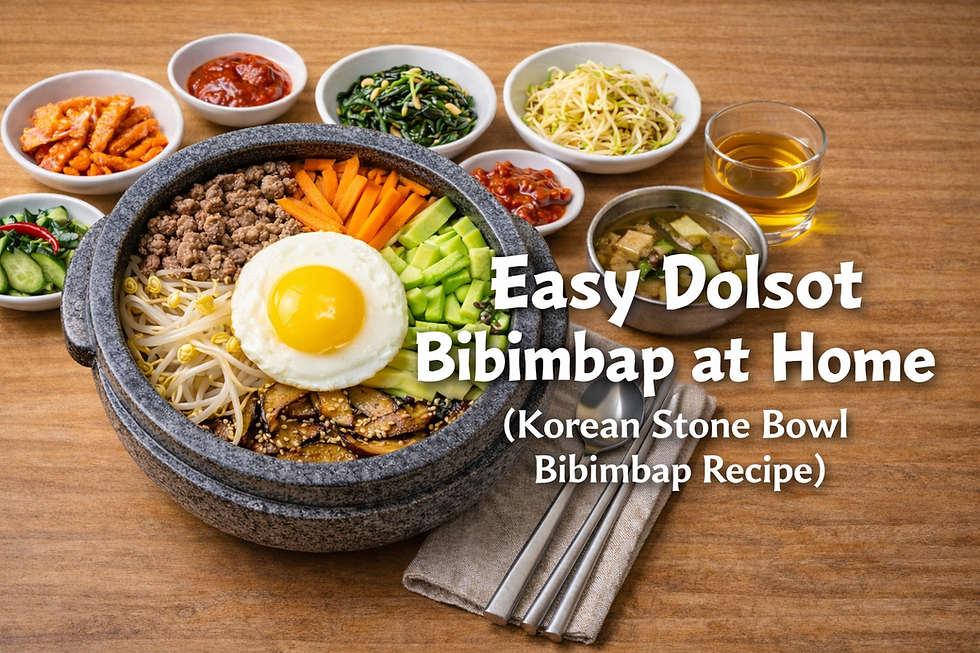
👉 Dolsot bibimbap
Keep the sauce glossy and mixable, but not watery. The hot stone bowl, crispy rice, and runny yolk already loosen everything once you stir.
Store-Bought Bibimbap Sauce vs Mixing Your Own
Prepared bibimbap sauce earns its spot on tired nights.
The good ones solve the most annoying part of the bowl: balance. You open it, spoon it over rice, and dinner moves. That matters when bibimbap is supposed to be a fast meal, not a project with five tiny bowls and a sink full of spoons.
Homemade sauce gives you control. Beef bowl too sweet? Use less syrup. Kimchi already sharp? Skip the vinegar. Rice a little dry? Add more water. Egg yolk runny and rich? Make the sauce punchier.
A bottled sauce is convenient. A pantry-built sauce is adjustable.
For most home kitchens, the strongest setup is still gochujang, sesame oil, soy sauce, and one sweetener you already use. That gives you bibimbap sauce, noodle sauce, spicy mayo, marinades, dipping sauce, and a quick way to make leftovers feel planned.
For the whole bowl-building side, What to Buy for Easy Bibimbap at Home: The Shortcuts That Actually Matter is the better companion piece.
Common Bibimbap Sauce Mistakes
👉 Using plain gochujang and expecting it to mix
Plain gochujang tastes strong, but it does not spread well. Thin it and season it before it hits the bowl.
👉 Pouring sesame oil until it smells amazing
The first sniff can trick you. Too much sesame oil makes the final bites heavy. Start with one teaspoon.
👉 Forgetting the rice is unseasoned
The sauce may taste bold by itself and still leave the rice flat. A little soy sauce helps the seasoning land.
👉 Making sweetness the main flavor
Sweetness should soften the gochujang. It should not make the bowl taste glazed.
👉 Judging the sauce without rice
Taste a tiny bit with rice before adjusting. Bibimbap sauce is designed to be mixed, not eaten from a spoon.
👉 Browse our [Korean sauces, marinades & paste category] for more options.
The Best First Bibimbap Sauce Setup
A good first setup is simple: one gochujang, one sesame oil, one soy sauce, and one sweetener.
Choose regular gochujang for the most classic spicy-sweet flavor. Choose mild gochujang if you want a fuller spoonful with gentler heat. Pick a sesame oil that smells toasted enough to matter in small amounts. Use soy sauce for depth, not volume.
Once those are in the pantry, bibimbap sauce becomes easy to fix by instinct.
Too thick? Water.
Too sharp? Sweetness.
Too flat? Soy sauce.
Too heavy? Vinegar, less sesame oil, or more rice.
The right sauce does not sit on bibimbap like a topping. It disappears into the bowl and makes every bite taste connected.
Related Posts to Read Next
Best Korean Sauces for Beginners: What to Buy for Your First Pantry
What to Buy for Easy Bibimbap at Home: The Shortcuts That Actually Matter
Easy Dolsot Bibimbap at Home (Korean Stone Bowl Bibimbap Recipe)
Mild vs Regular vs Hot Gochujang: Which One Should Beginners Start With?
Jin Ganjang vs Yangjo Ganjang vs Guk Ganjang: Which Korean Soy Sauce Should You Keep in Your Pantry?
FAQ
What is bibimbap sauce made of?
Bibimbap sauce is usually made with gochujang, sesame oil, soy sauce, a little sugar or syrup, and water. Some versions add vinegar, garlic, sesame seeds, or maesil syrup for extra brightness and aroma.
Is bibimbap sauce the same as gochujang?
No. Gochujang is the base, but bibimbap sauce is thinner and more balanced. Plain gochujang is thick and concentrated. Bibimbap sauce is mixed so it can coat rice, vegetables, egg, and toppings evenly.
How do you make bibimbap gochujang sauce less spicy?
Use mild gochujang, add a little more water, include a small amount of sweetness, or mix the sauce with more rice and egg. Extra sesame oil can soften heat, but too much makes the bowl heavy.
Why is my bibimbap sauce too thick?
The gochujang needs more liquid. Add warm water one teaspoon at a time until the sauce looks glossy and moves easily from the spoon while still clinging lightly to rice.
Do I need soy sauce in bibimbap sauce?
Soy sauce is not required in every version, but it helps. It adds clean savory depth and helps the sauce season plain rice and mild toppings more evenly.
Should bibimbap sauce be sweet?
It should be lightly sweet, not sugary. Sweetness rounds out the chile and fermented edge of gochujang, but too much can make the bowl taste like a sticky glaze.
What does sauce bibimbap mean?
Searches for sauce bibimbap usually mean bibimbap sauce: the gochujang-based sauce mixed into Korean rice bowls. People using the phrase gochujang sauce bibimbap are usually looking for a spicy, savory, slightly sweet sauce that spreads through the whole bowl.


Comments