
.png)
What Is Deulkkae? The Nutty Korean Perilla Seed Flavor That Makes Soups and Noodles Feel Richer

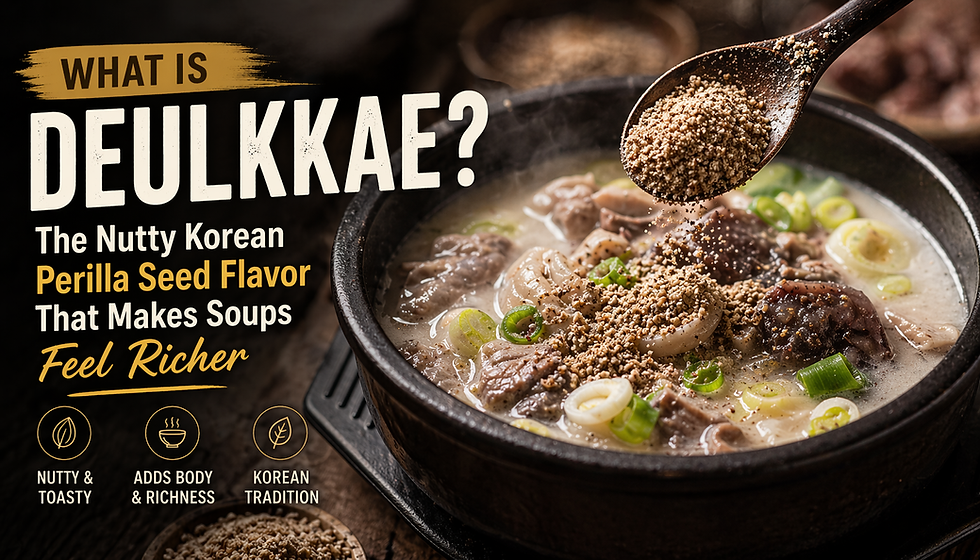
The easiest way to understand deulkkae is to taste a bowl that should feel plain, then notice that it does not.
A noodle soup comes out looking simple. Pale broth. Soft noodles. Maybe mushrooms, maybe a few vegetables, nothing especially dramatic. Then the first spoonful lands warmer, nuttier, and thicker than expected. The broth is still broth, but it suddenly has more hold to it. It clings a little. The bowl feels quieter, fuller, more like comfort food than just something hot.
That shift is often deulkkae.
Deulkkae is one of those Korean ingredients that changes the feel of a dish faster than it changes the look of it. It does not usually announce itself like chili paste or sesame oil. It works lower to the ground. A soup tastes deeper. Noodles feel less bare. A mild broth stops feeling like a placeholder and starts feeling like dinner.
That is why people get attached to it. Not because it is flashy, but because it makes simple food feel like more food.
TL;DR
Deulkkae is Korean perilla seed, usually used ground or powdered to add nutty flavor, body, and gentle richness to soups, noodles, and some vegetable dishes. It is not the same as sesame, and it is not the same as perilla oil. What makes deulkkae stand out is that it changes texture as much as flavor. It makes broths feel smoother, calmer, and more satisfying without turning them heavy.
What deulkkae actually is
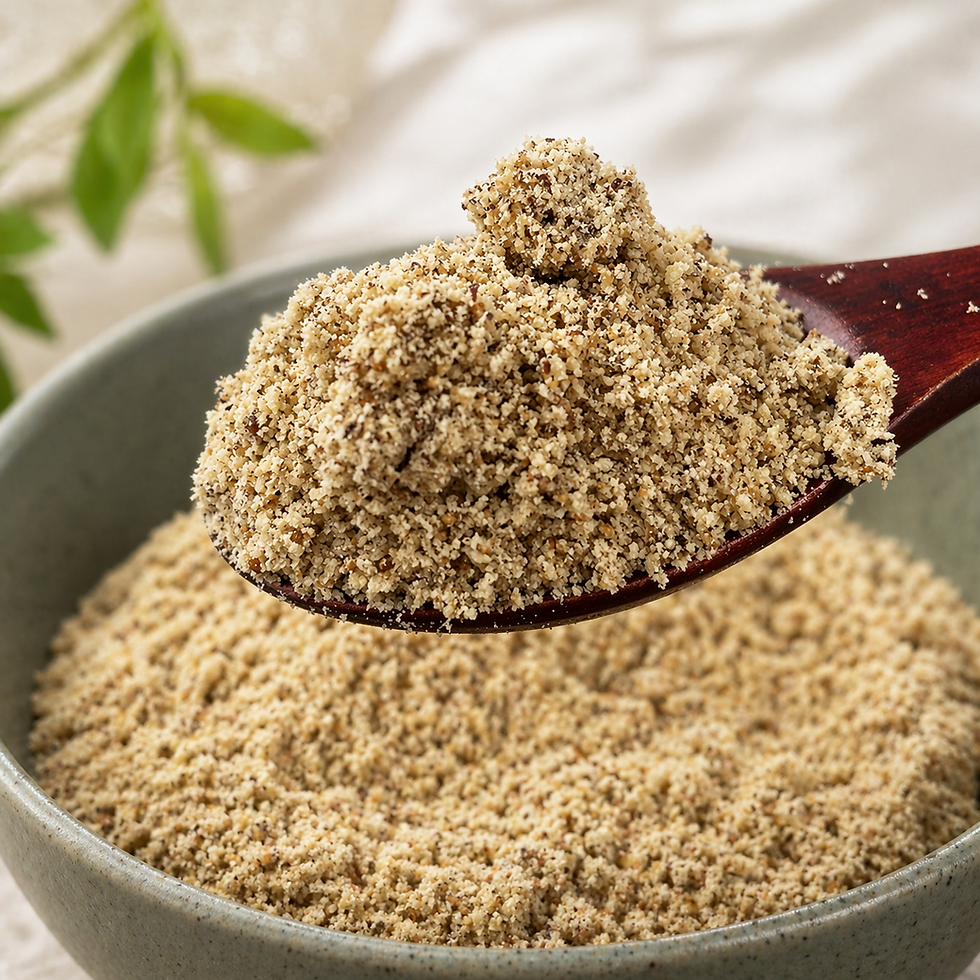
Deulkkae means perilla seed.
In everyday cooking, though, people are usually talking about the ingredient in a usable form: ground, powdered, or blended into broth. That is the version that shows up in deulkkae-kalguksu, perilla seed soups, some sujebi-style bowls, and certain vegetable dishes where the goal is warmth and depth rather than sharpness.
That practical form matters because deulkkae is less of a sprinkle ingredient and more of a bowl-shaping ingredient. It is not there just to sit on top. It gets into the liquid, changes the texture, and helps mild dishes feel rounder and more complete.
What deulkkae tastes like
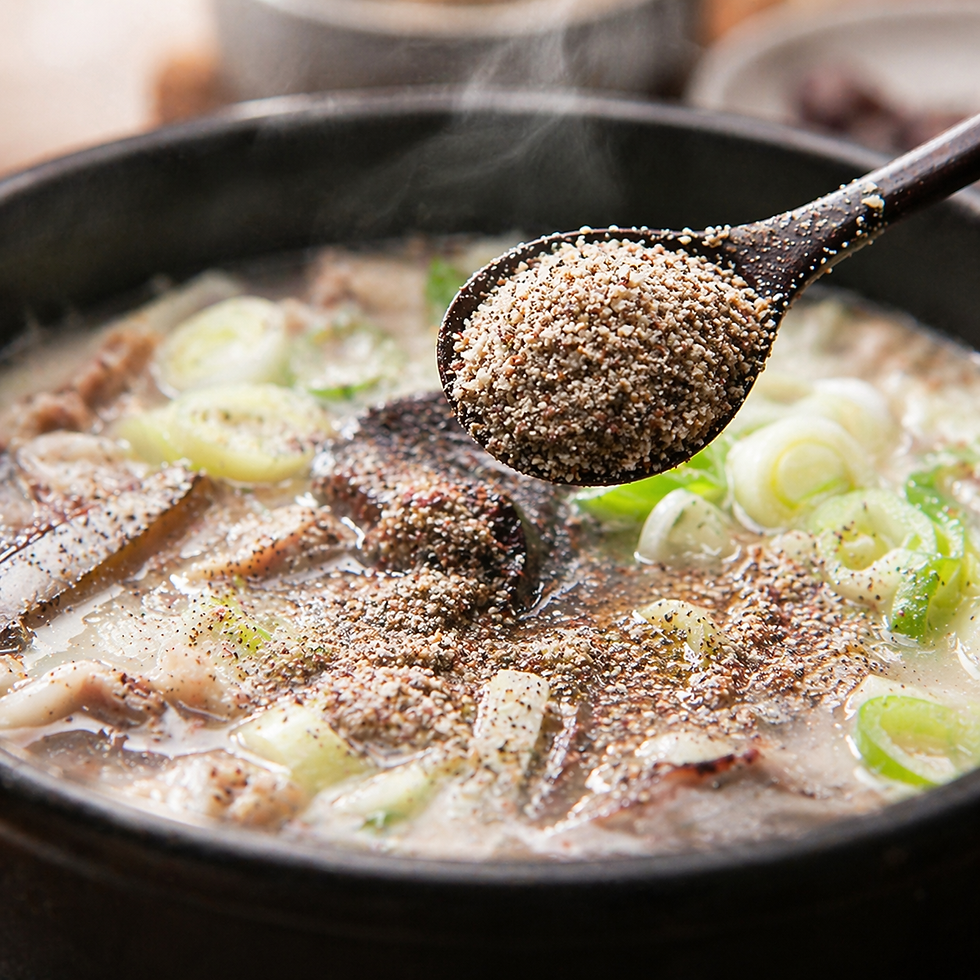
Deulkkae tastes nutty, earthy, and soft, but not in the same way sesame does.
Sesame usually reads toastier and more instantly familiar. Deulkkae feels mellower, deeper, and slightly more grounded. There can be a faint grassy or rustic edge to it, but the flavor is not sharp. It is the kind of nuttiness that settles into the dish instead of popping above it.
That is why people often describe deulkkae by the feeling it creates instead of by the seed itself. The broth feels warmer. The noodles feel more coated. The whole bowl tastes less thin and more settled.
It is a flavor you notice through comfort first.
Why deulkkae makes soups and noodles feel richer
This is the real reason people care about it.
Ground perilla seed does not just add nutty flavor. It also gives liquid a little body. Not enough to turn soup into something heavy or creamy in a Western way, but enough to change how the bowl moves.
A plain broth can suddenly feel smoother and more gathered. Noodles stop feeling like they are floating in flavored water and start feeling like the broth actually belongs to them. Mushroom soups, knife-cut noodle soups, hand-torn dough soups, and other mild bowls benefit the most because they already have the kind of soft savory base that deulkkae knows how to deepen.
That is why deulkkae works so well in comforting Korean soups. It does not just season the bowl. It gives the bowl more shape.
The easiest first way to understand deulkkae
If someone tried to explain deulkkae to you without feeding you a bowl, there is a good chance it would still sound vague.
The fastest way it clicks is in noodles.
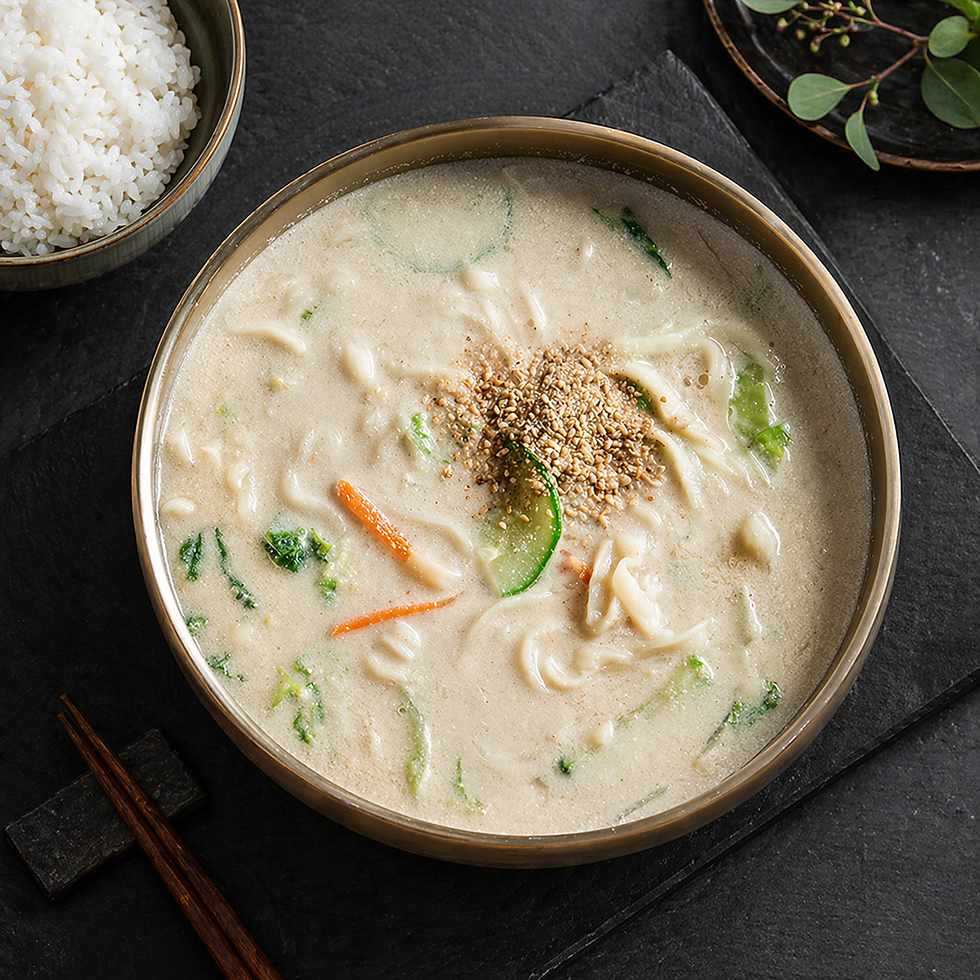
A perilla-seed noodle soup makes the point immediately because you can feel what the ingredient is doing. The broth tastes nuttier, but more importantly it feels thicker, softer, and more connected to the noodles. It is one of those cases where the texture teaches you faster than the ingredient label does.
That is why Dongwon Perilla Seed Noodle Soup is such an easy first taste. It puts deulkkae in the format where it makes the most sense right away: a hot noodle bowl that feels rich without relying on spice, dairy, or a heavy stock.
Deulkkae is not the same as perilla oil
These two get bundled together a lot, but they do different jobs.
Perilla oil is the oil pressed from perilla seeds. It brings aroma and finishing depth. A drizzle can change the whole mood of a dish.
Deulkkae is the seed itself, usually ground. It changes flavor, yes, but it also changes the body of the broth. That is the difference beginners usually miss.
If perilla oil is the thing that perfumes a dish at the end, deulkkae is the thing that can make the broth itself feel more substantial from the inside.
Deulkkae is not sesame either
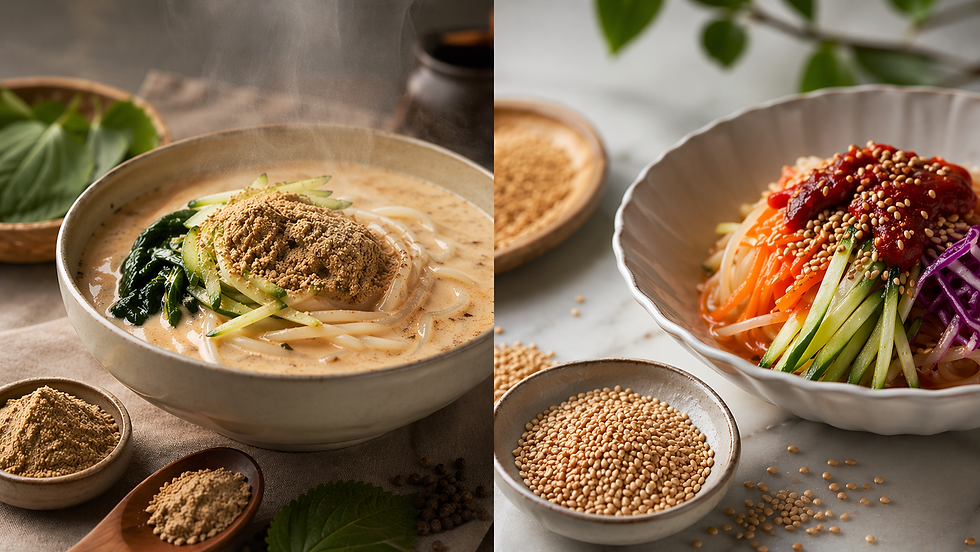
This is the other mix-up that keeps happening, partly because some English labels use the words wild sesame for perilla-related products.
That wording can make shopping confusing, but the eating difference is still clear. Sesame usually tastes toastier and more direct. Deulkkae tastes softer, earthier, and more built for broth. Sesame often works like a finishing note. Deulkkae works like a comfort note.
So yes, they live in the same broad nutty neighborhood. No, they do not give you the same bowl.
Why some deulkkae soups feel creamy even though there is no cream
This is one of the best things about the ingredient.
Deulkkae can make a soup feel almost creamy without making it taste creamy in a dairy sense. The broth stays recognizably Korean. It stays savory. It stays light enough to keep eating. But the seed softens the edges of the liquid and gives it more of a velvety feel.
That is why deulkkae bowls can be so comforting in cold weather or on days when you want something warm and filling without going all the way into heavy stew territory. The richness is there, but it lands softly.
Is deulkkae beginner-friendly?
Yes, more than a lot of Korean pantry flavors are.
Deulkkae usually does not challenge people the way strong ferments or very spicy sauces do. It is nutty, warm, and easy to like once it is in the right dish. The bigger beginner problem is not the flavor itself. It is the label confusion around perilla, wild sesame, powder, seed, and oil.
Once you get past that, deulkkae is actually one of the easier Korean flavor directions to enjoy. It is especially good for people who want bowls that feel soothing, savory, and gently rich without being fiery or aggressively fermented.
Should you buy deulkkae if you are building a Korean pantry?
If you already know you like soups, noodles, mushrooms, dumpling soups, or milder savory broths, yes.
Deulkkae is not a first-day essential in the way soy sauce or sesame oil is. But it is exactly the kind of second-step ingredient that makes a Korean pantry feel more interesting. It gives you a different kind of depth than chili paste, soybean paste, or finishing oil. More body. More softness. More of that steady comfort that makes simple bowls worth repeating.
It is also a smart buy if you are tired of every convenient noodle option leaning spicy, salty, or one-note. Deulkkae gives you another lane entirely.
👉 Browse our [Oil & Seasoning & Canned Food category] for more options.
Final bite
Deulkkae is the Korean perilla seed flavor that makes broths feel less empty and simple bowls feel more complete.
It does not rely on heat.
It does not need dairy.
It just brings nutty depth and enough body to make soups and noodles land with more comfort than you expect from the ingredient list.
That is why once people understand deulkkae, they stop thinking of it as a minor seed ingredient and start thinking of it as the thing that quietly makes the whole bowl work.
Related posts to read next
Sesame Oil vs Perilla Oil: What’s the Difference and Which One Belongs in Your Pantry? https://www.myfreshdash.com/post/sesame-oil-vs-perilla-oil
How to Use Perilla Oil in Korean Cooking: Best Dishes, Pairings, and Mistakes to Avoid https://www.myfreshdash.com/post/how-to-use-perilla-oil-in-korean-cooking
A Shopper’s Guide to Korean Fresh Noodles for Faster Homemade Meals https://www.myfreshdash.com/post/a-shopper-s-guide-to-korean-fresh-noodles
Jjigae vs Guk vs Tang: What Korean Soup Names Actually Tell You About the Meal https://www.myfreshdash.com/post/jjigae-vs-guk-vs-tang-what-korean-soup-names-actually-tell-you-about-the-meal
FAQ
Is deulkkae the same as perilla oil?
No. Deulkkae refers to perilla seed, usually ground or powdered in cooking. Perilla oil is the oil pressed from those seeds. They are related, but deulkkae changes the body of a broth while perilla oil works more as an aromatic finishing ingredient.
Is deulkkae the same as sesame?
No. They are different seeds and they create different results. Sesame tastes toastier and more immediately familiar. Deulkkae tastes earthier, softer, and more at home in broths.
Why do some products say wild sesame if they are really perilla?
That is a labeling shortcut you will see in some Korean groceries. In this context, wild sesame often refers to perilla, not regular sesame, which is why shopping can get confusing.
What does deulkkae taste like in soup?
It tastes nutty and earthy, but the bigger difference is texture. It makes the broth feel smoother, fuller, and more comforting.
Why does deulkkae make broth feel creamy?
Because ground perilla seed adds body as it disperses into the liquid. It does not create a dairy flavor, but it does make the soup feel more velvety and cohesive.
Is deulkkae good for beginners?
Yes. It is one of the easier Korean flavor directions for beginners because it is comforting and nutty rather than spicy or strongly fermented.
What is the easiest first deulkkae dish to try?
A perilla seed noodle soup or deulkkae-kalguksu is usually the easiest first try because the ingredient’s effect on the broth is so obvious there.

Comments