
.png)
Korean Marinated Meat Guide: Bulgogi, Galbi, Pork Belly, and What Each Style Means


Korean marinated meat is not one flavor.
That is where a lot of first Korean BBQ shopping gets confusing. Bulgogi beef, galbi, spicy pork, and pork belly all show up around the same grill or rice table, but they are not trying to do the same job. Some are sweet-savory and soft. Some are rib-focused and richer. Some are spicy and bold. Some pork belly is better left plain, with the sauce added at the table instead of soaked into the meat.
The easiest way to understand Korean marinated meat is to ask what the marinade is supposed to do. Is it tenderizing thin beef? Building flavor into short ribs? Making pork spicy enough for rice? Or would a plain cut taste better with ssamjang, sesame oil salt, kimchi, and lettuce wraps?
For the full Korean BBQ table setup, start with Korean BBQ at Home Starts Before the Meat: The Wraps, Sides, and Sauces Worth Buying First. This guide stays focused on Korean marinated meat styles, bulgogi beef, galbi marinade, spicy pork, Korean BBQ marinade use, and how to choose the right style for the meal.
TL;DR
Korean marinated meat styles are not interchangeable. Bulgogi, galbi, spicy pork, and plain pork belly all fit different meals.
Bulgogi beef is usually thin-sliced beef in a sweet-savory soy-garlic marinade. It is the easiest beginner marinated meat for rice bowls, lettuce wraps, and quick pan cooking.
Galbi is short ribs with a richer sweet-savory marinade. It is better for Korean BBQ meals that feel more special or grill-focused.
Spicy pork is the bold gochujang or gochugaru-leaning option. It is best with rice, lettuce wraps, onions, and cooling sides.
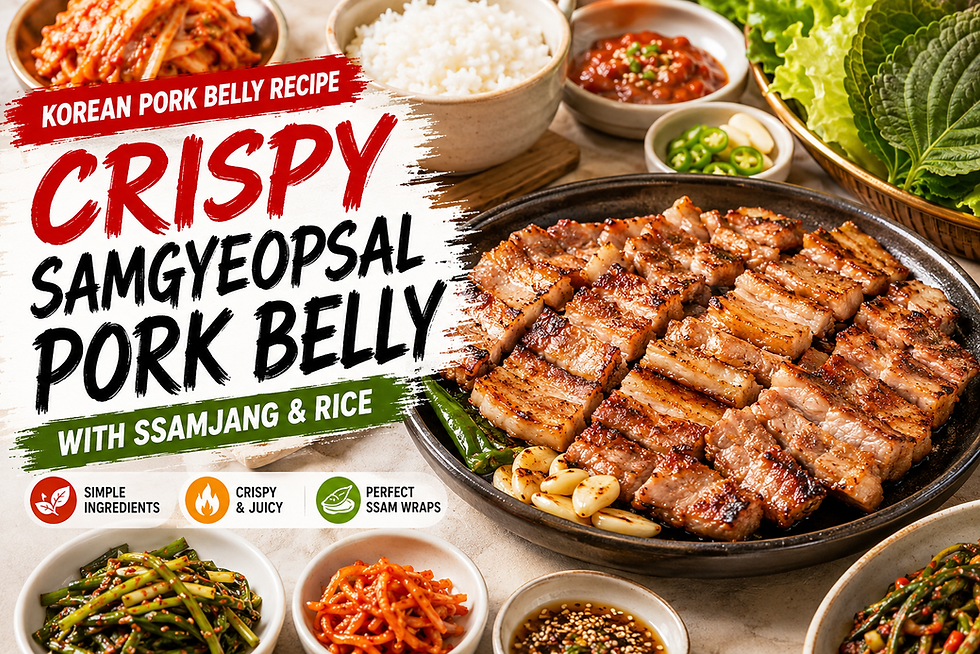
Pork belly is often not marinated for samgyeopsal-style meals. It is usually cooked plain, then eaten with ssamjang, sesame oil salt, kimchi, garlic, rice, and wraps.
Korean BBQ marinade can make meat easier, but it does not replace heat control. Sweet marinades can burn if the pan or grill is too hot.
If you are new, start with bulgogi beef for the safest marinated meat, galbi when ribs are the plan, spicy pork when you want heat, and plain pork belly when wraps and sauces are the main event.
Quick Guide: Which Korean Marinated Meat Style Fits Your Meal?
What you want | Best style | Why |
Easiest beginner Korean BBQ meat | Bulgogi beef | Thin, sweet-savory, fast, rice-friendly |
Special grilled short ribs | Galbi | Richer beef cut with deeper BBQ feeling |
Bold spicy pork meal | Spicy pork / jeyuk-style pork | Strong gochujang-style flavor for rice and wraps |
Classic pork belly wraps | Plain samgyeopsal | Better with ssamjang and sesame oil salt than heavy marinade |
Quick rice bowl | Bulgogi beef or spicy pork | Sauce already carries the meal |
Lettuce wrap dinner | Bulgogi, galbi, spicy pork, or plain pork belly | Depends on whether you want sweet, rich, spicy, or clean pork flavor |
First Korean BBQ night | One marinated meat plus one plain cut | Easier than cooking five styles at once |
The safest first setup is bulgogi beef plus plain pork belly. One gives you easy sweet-savory flavor, and the other gives you the classic Korean BBQ wrap experience.
What Korean Marinades Usually Do
Korean marinades usually do three things.
First, they season the meat with soy sauce, garlic, sweetness, sesame oil, fruit, onion, chile paste, or chile flakes. Second, they help the meat feel more complete with rice, wraps, and banchan. Third, they tell you how the meat should be cooked.
A thin beef bulgogi marinade is built for quick cooking. A galbi marinade is built around ribs and deeper beef flavor. A spicy pork marinade is built for bold sauce that clings to pork and onions. A plain pork belly meal often skips marinade because the sauce and sides do the work after cooking.
That is the key difference. Marinade is not automatically better. It is just one style.
Bulgogi Beef: The Safest First Korean Marinated Meat
Bulgogi beef is the easiest marinated Korean meat for beginners.
It usually uses thin-sliced beef with a sweet-savory soy sauce base, garlic, onion, sesame oil, and often fruit or sweetness to round the flavor. The meat cooks quickly and works well in rice bowls, lettuce wraps, lunch plates, and casual Korean BBQ meals.

Bulgogi beef is best for:
first Korean BBQ meals
rice bowls
lettuce wraps
quick pan cooking
sweet-savory flavor
family-style dinners
people who do not want spicy meat first
The main thing to watch is crowding. Thin marinated beef can release liquid. If too much goes into the pan at once, it steams instead of browning. Cook in smaller batches if you want better color.
Bulgogi is the style to choose when you want a Korean BBQ marinade that feels easy, familiar, and forgiving.
Galbi: Korean Short Ribs With a Richer Marinade
Galbi is the richer short rib lane.
The marinade is still sweet-savory, but the cut changes the meal. Short ribs bring more beef flavor, more chew, and a more special BBQ feeling than thin bulgogi beef. Galbi marinade usually leans on soy sauce, garlic, sweetness, sesame oil, onion, and fruit or pear-style sweetness.

Galbi is best for:
Korean short ribs
special BBQ meals
grilled beef dinners
rice and banchan spreads
lettuce wraps with richer meat
meals where the meat feels like the centerpiece
The biggest cooking issue is burning. Galbi marinade often has sugar, garlic, and fruit, so it can caramelize quickly. That is good when it browns. It is bad when it scorches. Cook over controlled heat and do not leave thick wet marinade sitting on the meat before grilling.
Choose galbi when ribs are the plan, not when you just want the easiest everyday beef bowl.
For a full recipe path, read LA Galbi Recipe: Korean BBQ Short Ribs With Sweet-Savory Marinade and Grilling Tips when that article is live.
Spicy Pork: The Bold Rice-Friendly Style
Spicy pork is the style to choose when you want the sauce to lead.
This is the gochujang or gochugaru-leaning side of Korean marinated meat. It is often used for pork shoulder, pork belly slices, or other pork cuts that can handle bold seasoning. The sauce usually tastes spicy, savory, slightly sweet, garlicky, and sticky enough to cling to the meat.

Spicy pork is best for:
rice bowls
lettuce wraps
onion-heavy stir-fries
people who like gochujang heat
casual weeknight meals
kimchi and rice plates
banchan-heavy dinners
Because the marinade is bold, you do not need as many dipping sauces. Rice matters more. Lettuce, cucumber, kimchi, pickled radish, and mild banchan help keep the meal balanced.
The cooking mistake is the same as galbi: heat that is too high can burn the sauce before the pork cooks through. Use a hot pan, but do not blast it blindly.
Pork Belly: When Not to Marinate
Pork belly is where people often make the wrong assumption.
Because Korean BBQ has so many marinades, it is easy to think pork belly should always be marinated too. But classic samgyeopsal-style pork belly is often cooked plain or lightly seasoned. The flavor comes from browning the pork and eating it with ssamjang, sesame oil salt, rice, kimchi, garlic, lettuce, and perilla leaves.

Plain pork belly is best for:
samgyeopsal
lettuce wraps
ssamjang
sesame oil salt
kimchi and garlic
Korean BBQ table meals
people who want clean pork flavor
Marinated pork belly can be good, especially in spicy or soy-garlic styles, but it becomes a different meal. If the goal is samgyeopsal, keep the pork simple and let the table season it.
For the dish-specific guide, read Samgyeopsal Guide: Korean Pork Belly, Wraps, Sauces, and How People Eat It at Home when that article is live.
Korean BBQ Marinade Shortcut Options
Homemade marinade gives you the most control, but bottled Korean BBQ marinade can be useful when you want the right flavor direction without measuring soy sauce, sugar, garlic, fruit, sesame oil, and aromatics yourself.
HAIO Beef Bulgogi Marinade is the easiest shortcut to consider for bulgogi beef-style meals. Use it when you want a sweet-savory beef marinade for thin beef, rice bowls, lettuce wraps, or quick Korean BBQ plates.
Chung Jung One Korean BBQ Galbi Sauce is the better shortcut when short ribs are the plan. Use it for a galbi marinade direction where ribs, grilling, rice, and banchan are the center of the meal.
Chung Jung One Hot & Spicy Marinade Sauce fits the spicy pork lane. Use it when you want a bolder Korean marinated meat style with heat, sauce cling, and rice-friendly flavor.
These shortcuts are useful, but they do not remove the need to cook carefully. Sweet and spicy marinades still need controlled heat so the sauce browns instead of burns.
Homemade vs Bottled Marinade
Homemade marinade is best when you want control.
You can adjust sweetness, garlic, saltiness, fruit, sesame oil, and spice level. That matters if you are cooking for people who prefer less sweet galbi, more garlic in bulgogi, or a spicier pork marinade.
Bottled marinade is best when you want speed and consistency. It is helpful for first attempts, weeknight cooking, and shoppers who want to understand the flavor direction before making everything from scratch.
Use homemade marinade when:
you want full control
you already have soy sauce, garlic, sesame oil, and sweetener
you want to adjust salt or sweetness
you are making a special meal
you want a more personal flavor
Use bottled marinade when:
you want the easiest start
you are cooking after work
you do not want to measure many ingredients
you want consistent flavor
you are learning the difference between styles
Neither is automatically better. The better choice is the one that helps you cook the right meat well.
Which Meat Goes With Which Marinade?
The marinade should match the cut.
Thin beef likes bulgogi marinade because it cooks fast and absorbs sweet-savory flavor quickly. Short ribs like galbi marinade because they need a richer sauce that can stand up to beefy rib flavor. Pork shoulder, pork belly slices, or thin pork pieces work well with spicy marinades because pork can handle gochujang-style heat and sweetness.
Use this split:
Meat cut | Best marinade style | Why |
Thin beef slices | Bulgogi marinade | Fast cooking, tender texture, sweet-savory balance |
Short ribs | Galbi marinade | Rich cut needs deeper BBQ flavor |
Pork shoulder or pork slices | Spicy pork marinade | Strong sauce works well with pork and rice |
Pork belly for samgyeopsal | Usually no marinade | Better with ssamjang, sesame oil salt, kimchi, wraps |
Chicken | Bulgogi-style or spicy marinade | Depends on whether you want sweet-savory or spicy |
Mushrooms or tofu | Bulgogi-style or spicy marinade | Soaks up sauce and works with rice |
The mistake is using marinade as a one-size-fits-all solution. The cut still matters.
How Long Should Korean Meat Marinate?
Marinating time depends on the meat thickness and marinade strength.
Thin bulgogi beef does not need a full day. It can pick up flavor quickly because it is sliced thin. Short ribs can benefit from several hours or overnight because the cut is richer. Spicy pork can also take a few hours, but too long in a strong salty marinade can make the texture less pleasant.
General guide:
Meat style | Helpful marinade time |
Thin bulgogi beef | 30 minutes to a few hours |
Galbi short ribs | Several hours to overnight |
Spicy pork | 1 hour to several hours |
Chicken pieces | 30 minutes to a few hours |
Tofu or mushrooms | Short time, often 15 to 30 minutes |
Do not assume longer is always better. Thin meat can become too salty or soft if it sits too long in a strong marinade.
Cooking Korean Marinated Meat Without Burning It
Most Korean marinades include sugar, fruit, garlic, or gochujang.
That is why they brown well. It is also why they burn easily. The goal is caramelization, not blackened sugar.
Use these cues:
remove excess marinade before grilling thick cuts
use medium-high heat instead of maximum heat
cook in batches so the meat browns
turn before the sauce scorches
lower heat if the pan smells bitter
add a splash of water only if the sauce is sticking too hard
keep rice and sides ready before the meat is done
If the meat is pale and wet, the pan is probably crowded or too cool. If the meat is black before it is cooked, the heat is too high or the marinade layer is too thick.
What to Serve With Korean Marinated Meat
Marinated meat already has flavor, so the table should balance it.
Bulgogi beef likes rice, lettuce, kimchi, and mild banchan. Galbi likes rice, kimchi, pickled radish, lettuce, and something crisp. Spicy pork needs rice, cooling vegetables, and sides that cut through heat. Plain pork belly needs ssamjang, sesame oil salt, kimchi, garlic, and wraps.
Good table support includes:
short-grain white rice
lettuce or perilla leaves
ssamjang
sesame oil salt
kimchi
pickled radish
cucumber
bean sprouts
spinach banchan
roasted seaweed
garlic and green chili
For dipping sauce details, read Korean BBQ Dipping Sauce Guide: Ssamjang, Sesame Oil Salt, and Soy-Vinegar Dip.
Common Buying and Cooking Mistakes
Buying galbi marinade for thin everyday beef can work, but it may not feel as easy or balanced as bulgogi marinade.
Buying bulgogi marinade when ribs are the plan can make the short ribs taste lighter than expected. Galbi marinade is usually the better direction for ribs.
Buying spicy marinade when you wanted mild Korean BBQ is another common mistake. Spicy pork is bold, not quiet.
Marinating pork belly when you wanted samgyeopsal-style wraps can make the meal feel too saucy. Plain pork belly may be the better choice.
Cooking marinated meat over heat that is too high can burn the sugar and garlic.
Crowding the pan makes thin marinated meat steam instead of brown.
Skipping rice makes sweet or spicy marinades feel too intense.
Using too many marinated meats at once can make the whole table taste sweet, saucy, or heavy. Add one plain cut for contrast.
What to Choose First
➡️ Choose bulgogi beef if you want the safest Korean marinated meat
Bulgogi beef is the easiest first pick because it is sweet-savory, fast, and rice-friendly. It works for Korean BBQ, rice bowls, lettuce wraps, and casual weeknight meals.
➡️ Choose galbi if short ribs are the plan
Galbi marinade belongs with ribs. Choose this style when you want a richer Korean BBQ meal with deeper beef flavor and a more special dinner feel.
➡️ Choose spicy pork if you want bold flavor
Spicy pork is best when you want gochujang-style heat, sauce cling, rice, and lettuce wraps.
➡️ Choose plain pork belly if you want samgyeopsal
Do not marinate everything. Plain pork belly with ssamjang, sesame oil salt, rice, kimchi, garlic, and wraps is already a complete Korean BBQ meal.
➡️ Choose one marinated style and one plain cut if you are unsure
This is the easiest Korean BBQ table for beginners. Bulgogi plus pork belly, or galbi plus brisket, gives contrast without making every bite taste like marinade.
👉 Browse our [K-Food Guide] for more options.
Final Verdict
Korean marinated meat is easier to choose when you stop treating every sauce like the same Korean BBQ marinade.
Bulgogi beef is the safe sweet-savory beginner style. Galbi marinade belongs with short ribs and richer BBQ meals. Spicy pork is bold, hot, and rice-friendly. Pork belly often works best plain when the goal is samgyeopsal-style wraps.
Use bottled marinades when you want speed and consistency. Make your own when you want control. Either way, choose the marinade by meat style first, then build the table around it with rice, wraps, kimchi, sauces, and banchan.
The best Korean marinated meat is not the one with the strongest sauce. It is the one that fits the cut, the cooking method, and the way you want to eat it.
Related Posts to Read Next
Korean BBQ at Home Starts Before the Meat: The Wraps, Sides, and Sauces Worth Buying First
Samgyeopsal Guide: Korean Pork Belly, Wraps, Sauces, and How People Eat It at Home
Korean BBQ Meat Cuts Guide: Pork Belly, Short Ribs, Brisket, and What Each Cut Is For
Korean BBQ Dipping Sauce Guide: Ssamjang, Sesame Oil Salt, and Soy-Vinegar Dip
Doenjang vs Ssamjang: What's the Difference and Which One Should You Buy First?
Kimchi and Rice Guide: Why This Simple Korean Meal Works So Well
FAQ
What is Korean marinated meat?
Korean marinated meat usually means beef, pork, chicken, or ribs seasoned with Korean-style sauces such as bulgogi marinade, galbi marinade, spicy pork marinade, or soy-garlic BBQ marinade.
What is bulgogi beef?
Bulgogi beef is thin-sliced beef marinated in a sweet-savory soy sauce base with garlic, onion, sesame oil, and often fruit or sweetness. It is one of the easiest Korean marinated meats for beginners.
What is galbi marinade used for?
Galbi marinade is usually used for short ribs. It is sweet-savory, garlicky, and built for richer beef cuts that can handle grilling and caramelization.
Is Korean BBQ marinade the same as bulgogi marinade?
Not always. Bulgogi marinade is one Korean BBQ marinade style, but galbi marinade, spicy pork marinade, and soy-garlic marinades are different styles with different meat uses.
Should pork belly be marinated for Korean BBQ?
For classic samgyeopsal-style pork belly, usually no. Pork belly is often cooked plain and eaten with ssamjang, sesame oil salt, rice, kimchi, garlic, lettuce, and perilla leaves.
Which Korean marinated meat should I try first?
Start with bulgogi beef if you want the safest sweet-savory option. Choose galbi if you want short ribs. Choose spicy pork if you want heat. Choose plain pork belly if you want classic samgyeopsal wraps.
Why did my Korean marinated meat burn?
The heat may have been too high, or too much marinade was left on the meat. Korean marinades often contain sugar, garlic, fruit, or gochujang, which can burn if the pan or grill is too hot.
What should I serve with Korean marinated meat?
Serve it with rice, lettuce or perilla leaves, kimchi, ssamjang, sesame oil salt, pickled radish, cucumber, garlic, green chili, and simple banchan.


Comments